Body Contouring in Miami: Non-Surgical Options Compared
If you are close to your desired weight but still have stubborn areas that do not seem to change much with diet and exercise, non-surgical body contouring may be worth exploring. Miami has a wide range of treatments designed to reduce small pockets of fat, improve muscle definition, tighten skin, or make cellulite less noticeable. The confusing part is that these treatments do very different things. Some freeze fat, some use heat or radiofrequency, and others focus mainly on muscle stimulation. Knowing the difference can help you choose an option based on your actual goal rather than simply picking the treatment with the most popular name.
What Is Non-Surgical Body Contouring?
Non-surgical body contouring uses devices or other treatments to change the appearance or shape of specific areas without traditional surgery.
Depending on the technology, the goal may be to:
- Reduce small areas of stubborn fat
- Improve muscle tone
- Tighten or firm the skin
- Improve the appearance of cellulite
- Create more visible muscle definition
It is important to keep expectations realistic. Non-surgical body contouring is not a weight-loss treatment and is not intended to treat obesity. Results can also vary from person to person, and some treatments may require maintenance sessions.
How Much Does Body Contouring Cost in Miami?
Prices vary significantly depending on the technology, body area, number of sessions, and provider.
Current Miami pricing guides put non-surgical body contouring broadly around $720 to $4,800 per treatment area, although individual treatment plans can fall outside that range.
Some commonly reported 2026 Miami estimates include:
- CoolSculpting: Approximately $2,350–$4,725 for a complete treatment plan
- Emsculpt NEO: Approximately $3,550–$4,725 for a typical four-session plan
- RF body contouring: Often hundreds to several thousand dollars depending on the device and treatment area
- Other fat-reduction treatments: Pricing varies according to the technology and number of areas treated
Do not compare prices based only on one session. Some procedures are normally sold as a series, while others may involve multiple applicator cycles during one treatment plan.
CoolSculpting: Best Known for Fat Reduction
CoolSculpting uses controlled cooling, also known as cryolipolysis, to target certain fat cells.
It is generally considered when someone has a small, pinchable pocket of fat that they want to reduce rather than lose a significant amount of body weight.
Common treatment areas can include:
- Abdomen
- Flanks
- Thighs
- Upper arms
- Under the chin
One advantage is that there is no incision. However, treatment can cause temporary redness, swelling, bruising, discomfort, or numbness.
There is also a rare but important complication called paradoxical adipose hyperplasia, in which the treated fat area becomes larger and firmer rather than smaller.
Emsculpt NEO: More Focus on Muscle Definition
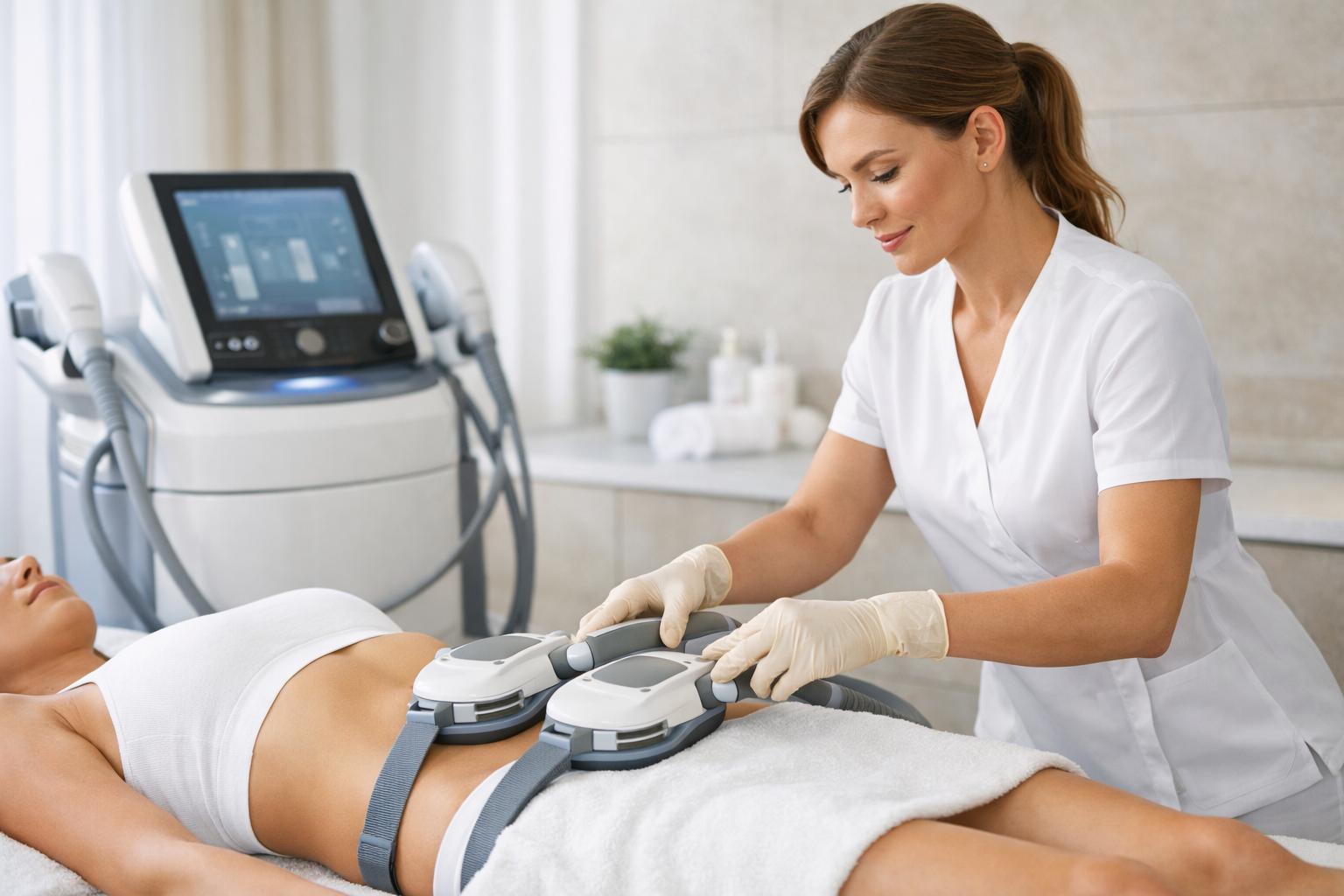
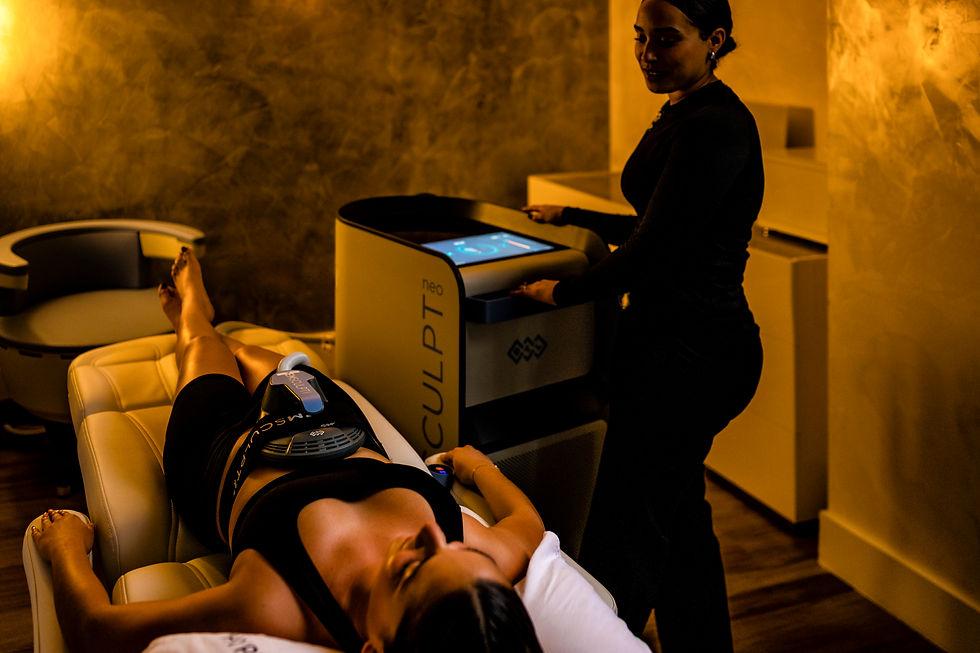
Emsculpt NEO takes a different approach. It uses electromagnetic energy to produce intense muscle contractions, while the NEO version also combines radiofrequency energy.
This option may appeal to someone whose main goal is improved muscle tone or definition rather than simply reducing a fat pocket.
A common treatment plan consists of several sessions rather than one appointment.
You may feel strong muscle contractions during treatment. Afterward, some people experience muscle soreness similar to what they might feel after an intense workout.
Radiofrequency Body Contouring
Radiofrequency, or RF, treatments use controlled heat to affect tissue beneath the skin.
Depending on the particular device, RF body contouring may be used to reduce the circumference of a treatment area, improve the appearance of cellulite, or make skin appear tighter.
Not all RF devices work in exactly the same way, so ask the provider for the specific device name and what it is designed to accomplish.
RF treatments may cause temporary redness, swelling, discomfort, or other skin reactions. Certain devices may not be appropriate for people with particular implants or metal in the treatment area.
Laser-Based Fat Reduction
Some non-surgical body contouring devices use laser energy to heat targeted fat cells.
These treatments are different from laser hair removal. The purpose here is to affect a specific body area rather than remove unwanted hair.
As with other technologies, results depend on the device, treatment area, and individual response. Ask how many sessions are normally recommended and when you should expect to see changes.
Which Treatment Is Best for You?
There is no single body contouring treatment that is best for everyone.
Think about what you actually want to change.
If Your Main Concern Is Stubborn Fat
A fat-reduction treatment such as cryolipolysis or another FDA-authorized fat-reduction technology may be considered.
If You Want More Muscle Definition
A magnetic-field treatment designed to stimulate muscle contractions may make more sense.
If Loose-Looking Skin Is Your Concern
Some RF technologies can help improve the appearance of skin firmness. Your provider should determine whether your degree of laxity is appropriate for a non-surgical approach.
If Cellulite Is the Problem
Some mechanical, RF, or other technologies are designed specifically to improve the appearance of cellulite. Results may be temporary and maintenance treatments can be necessary.
What Happens During a Body Contouring Appointment?
The process depends on the technology.
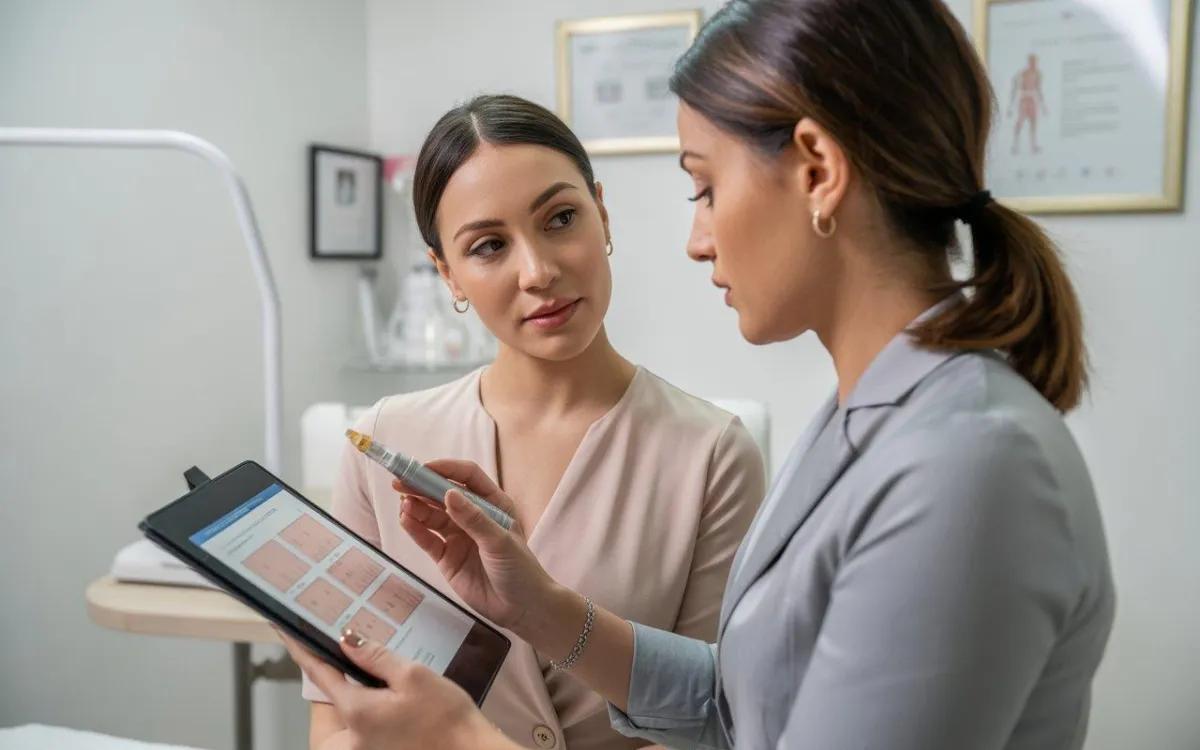
A consultation usually comes first. The provider should identify the area you want treated, discuss your goals, review relevant medical information, and determine whether the treatment is appropriate.
During treatment, you may experience:
- Cooling or intense cold
- Heat
- Pressure
- Suction
- Muscle contractions
- Vibration
- Mild discomfort
Most non-surgical treatments do not require traditional anesthesia or surgical incisions, but that does not mean every procedure feels the same.
Is There Any Downtime?
One reason people choose non-surgical contouring is the relatively limited downtime compared with surgery.
Depending on the treatment, you may experience temporary:
- Redness
- Swelling
- Bruising
- Tenderness
- Numbness
- Muscle soreness
Some people return to normal activities immediately, while others may prefer to take it easy for the rest of the day.
Your provider should explain the expected recovery before you book the treatment.
How Long Does It Take to See Results?
Results are not always immediate.
With fat-reduction procedures, the body may gradually process treated fat cells over the following weeks or months. Muscle-focused treatments can also require a series of sessions before changes become noticeable.
This is why it is worth asking a provider:
- When should I expect the first changes?
- When should the final result be evaluated?
- How many treatments will I need?
- Will I need maintenance sessions?
Be cautious about promises of dramatic results after one appointment.
How to Choose a Body Contouring Clinic in Miami
Miami has many med spas and aesthetic clinics offering body contouring, so it can be tempting to choose based on a special offer.
Price should be only one part of the decision.
Ask About the Exact Device
“Body sculpting” is a broad term. Ask which device will actually be used.
Knowing the device lets you research what technology it uses, what it is designed to do, and what risks or limitations you should understand.
Ask Who Will Perform the Treatment
Find out who will operate the device and what training or experience they have with it.
A provider should be able to explain how the treatment settings are selected for your particular body area.
Ask for a Complete Price
A low advertised price may apply only to one cycle or one small area.
Before purchasing a package, ask:
- Is this price per session or per treatment area?
- How many applicators are included?
- How many sessions are recommended?
- Are follow-up treatments included?
- Are maintenance sessions extra?
- Are there cancellation or package-expiration rules?
Getting the complete price upfront makes comparing clinics much easier.
Don’t Expect Body Contouring to Replace Weight Loss
This is one of the most important things to understand.
Non-surgical body contouring is designed for shaping specific areas. It is not a substitute for losing weight through nutrition, physical activity, or medical weight-management treatment.
The best candidates are often people who are already relatively close to their desired weight but have localized concerns they would like to address.
Is Non-Surgical Body Contouring Safe?
These procedures can have side effects, and each technology has its own risks.
Possible complications can include pain or discomfort, redness, swelling, bruising, numbness, skin-color changes, or other reactions. Certain technologies also have specific restrictions for people with particular medical conditions or implanted devices.
Before treatment, tell your provider about relevant medical conditions, medications, implants, previous procedures, and anything else that could affect your eligibility.
Do not assume that “non-surgical” means “risk-free.”
Frequently Asked Questions
How much does non-surgical body contouring cost in Miami?
Miami pricing varies widely, but current estimates generally range from about $720 to $4,800 per treatment area. Specific treatments such as CoolSculpting and Emsculpt NEO may cost several thousand dollars for a complete treatment plan.
What is the best non-surgical body contouring treatment?
It depends on your goal. Fat-freezing treatments focus on reducing localized fat, while muscle-stimulation treatments focus more on muscle tone and definition. RF and other technologies may be used for skin tightening, cellulite, or fat reduction.
How many body contouring sessions will I need?
There is no universal number. Some treatments may involve one or several sessions, while others are commonly performed as a series of four or more appointments. Your provider should give you a treatment plan based on the area and technology being used.
Does non-surgical body contouring help with weight loss?
No. Non-surgical body contouring is intended to change the appearance or shape of specific areas rather than produce overall weight loss. It should not be viewed as a replacement for a weight-management plan.
Final Thoughts
Non-surgical body contouring can be appealing if you have stubborn areas that you would like to improve without undergoing traditional surgery. But the treatments are not interchangeable. CoolSculpting focuses on targeted fat reduction, Emsculpt NEO focuses on muscle stimulation while also addressing fat, and RF or other technologies may focus on skin firmness, cellulite, or localized fat.
Before choosing a Miami clinic, identify what you actually want to change and then find a treatment designed for that goal. Ask about the exact device, provider experience, expected number of sessions, total cost, recovery, and possible risks. Most importantly, keep expectations realistic. Body contouring is about shaping specific areas—not replacing healthy weight management or guaranteeing a particular body shape.