Chemical Peels in Miami: Types, Costs and Recovery
Chemical peels are one of the more established options for improving the appearance and texture of the skin. In Miami, they are commonly offered at medical spas, dermatology offices, and aesthetic clinics for concerns such as dull skin, uneven pigmentation, acne, and fine lines. But a chemical peel is not simply one treatment. There are different strengths and formulas, and the right choice depends on what you are trying to improve, your skin type, and how much recovery time you can manage.
What Is a Chemical Peel?
A chemical peel involves applying a chemical solution to the skin to remove damaged outer layers. Depending on the type and strength of the peel, it can work at different depths within the skin.
The treatment may help improve the appearance of:
- Uneven skin tone
- Sun-related discoloration
- Mild acne
- Post-acne marks
- Rough skin texture
- Fine lines
- Dull-looking skin
- Certain types of superficial pigmentation
The important thing to understand is that stronger does not automatically mean better. A deeper peel can involve considerably more downtime and risk, so your provider should select the treatment based on your skin rather than simply choosing the strongest option available.
Types of Chemical Peels in Miami
Chemical peels are generally described as superficial, medium, or deep depending on how deeply they penetrate the skin.
Superficial Peels
Superficial peels affect the outermost layer of the skin and generally involve the least downtime.
They may be considered for people who want to improve:
- Mild discoloration
- Dullness
- Rough texture
- Minor acne
- Overall skin brightness
Ingredients used in superficial peels can include glycolic acid, salicylic acid, lactic acid, or other peeling agents.
Because recovery is usually relatively short, superficial peels are often used as part of an ongoing skincare routine.
Medium-Depth Peels
Medium-depth peels reach deeper into the skin and can provide a stronger resurfacing effect.
They may be considered for more noticeable pigmentation, sun damage, fine lines, or certain types of acne scarring.
Because they affect more of the skin, redness, peeling, and recovery can be more significant than with a superficial peel.
Deep Chemical Peels
Deep peels are much more aggressive and require careful medical evaluation. They can produce more dramatic resurfacing but also involve a substantially longer recovery period and greater risk of complications.
They are not something to choose simply because you want faster results.
If a clinic recommends a deep peel, ask who will perform it, what chemical is being used, why it is appropriate for you, and exactly what recovery will involve.
How Much Do Chemical Peels Cost in Miami?
Chemical peel prices in Miami vary according to the type of peel, provider, treatment area, and whether the appointment includes additional services.
A general range is approximately:
- Light/superficial peel: $100–$250
- Medium-depth peel: $200–$500
- Advanced or combination peel: $300–$700+
- Deep medical peel: Can cost significantly more depending on the procedure and provider
These are broad estimates rather than fixed Miami prices. Some clinics offer introductory specials or packages, while others charge more because the treatment includes a consultation, customized formulation, or additional services.
Before comparing prices, make sure you are comparing the same type of peel.
A $150 superficial peel is not necessarily cheaper than a $300 treatment if the second treatment is a more advanced peel designed for a different skin concern.
What Happens During a Chemical Peel?
The process depends on the peel being performed.
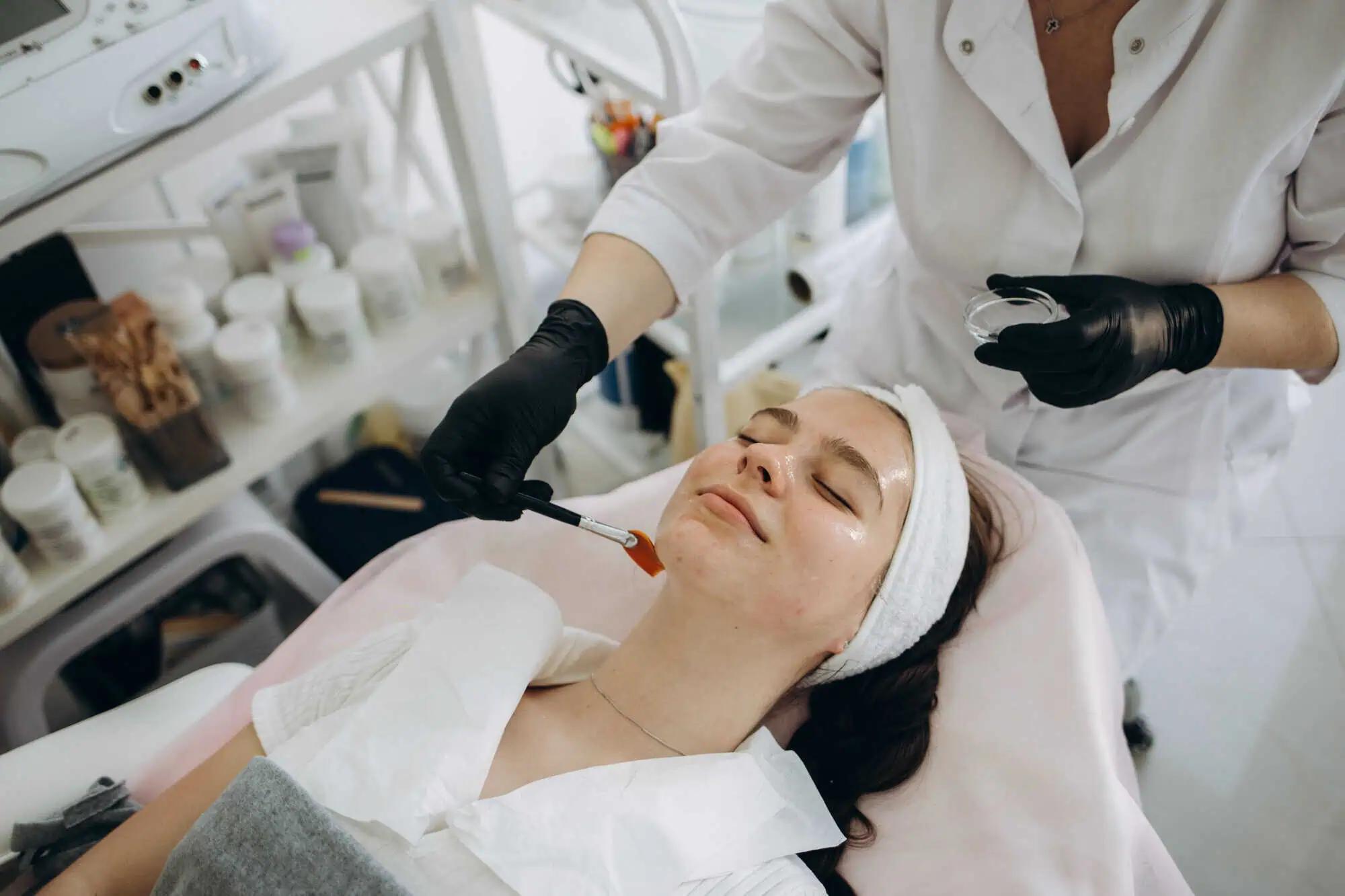
The provider usually begins by cleansing the skin and preparing the treatment area. The chemical solution is then applied carefully to the skin.
You may experience:
- Tingling
- Warmth
- Mild burning
- Tightness
- Temporary discomfort
The provider controls how long the solution remains on the skin based on the particular peel and your response.
Afterward, the skin may look red or feel tight. Some superficial peels produce very little visible peeling, while stronger treatments can cause noticeable flaking or peeling over the following days.
What Is Chemical Peel Recovery Like?
Recovery depends heavily on the strength of the peel.
After a Superficial Peel
You may experience mild redness, dryness, or light flaking. Many people can return to normal activities relatively quickly.
However, you should still follow the aftercare instructions provided by your clinic.
After a Medium Peel
Redness and peeling can be more obvious. Your skin may feel tight, sensitive, or dry for several days.
You may need to avoid certain skincare products, exercise, heat, and direct sun exposure while the skin heals.
After a Deep Peel
Recovery can be considerably longer and should be planned carefully. Your provider should give you detailed instructions and explain the potential risks before treatment.
Do not schedule a deep peel immediately before an important event.
What Should You Avoid After a Chemical Peel?
One of the biggest mistakes people make after a peel is trying to speed up the peeling process.
Do not pick, pull, or scrub peeling skin.
Your provider may also tell you to temporarily avoid:
- Retinoids
- Strong exfoliating acids
- Scrubs
- Waxing
- Certain acne medications
- Hot environments
- Excessive exercise
- Direct sun exposure
Your post-treatment skincare routine should generally be gentle until the skin barrier has recovered.
Why Miami’s Sun Matters
Sun protection is particularly important after a chemical peel.
Miami’s sunny climate means it can be easy to spend more time outdoors without realizing how much UV exposure your recovering skin is receiving. Newly treated skin can be more sensitive, and excessive sun exposure can contribute to irritation and unwanted pigmentation.
If you are planning a beach vacation, outdoor event, or long day in the sun, tell your provider before scheduling the peel. It may be better to choose a different treatment date.
How to Choose a Chemical Peel Provider in Miami
Choosing the right provider matters more than choosing a trendy peel name.
Ask What Chemical Is Being Used
Do not settle for simply hearing “chemical peel.” Ask for the actual type of peel and the active ingredient or formulation.
Different acids and concentrations have different purposes and risks.
Ask Why It Is Appropriate for Your Skin
A provider should be able to explain why the recommended peel fits your skin type and concern.
If you have darker skin or a history of pigmentation problems, ask specifically about the risk of post-inflammatory hyperpigmentation and how the provider manages that risk.
Ask About Their Experience
Find out who will perform the treatment and what training they have. Chemical peels can range from relatively mild cosmetic procedures to deeper medical treatments, so appropriate training and experience matter.
Don’t Choose Based Only on Instagram Photos
Before-and-after photos can be helpful, but they do not tell you everything.
Lighting, camera settings, makeup, skin preparation, and the amount of time between photographs can all affect how results appear.
Use photos as one part of your research rather than proof that you will get the same result.
How Often Can You Get a Chemical Peel?
There is no single schedule that applies to every peel.
Light peels may be performed more regularly as part of a maintenance plan, while medium or deeper peels generally require more recovery time between treatments.
Your provider should recommend a schedule based on the specific peel, your skin condition, and how your skin responds.
More frequent treatment is not automatically better. Your skin needs enough time to recover.
Who May Need to Postpone a Chemical Peel?
A chemical peel may not be appropriate at certain times.
Tell your provider if you have:
- An active skin infection
- Open wounds
- Significant irritation
- A recent sunburn
- A history of abnormal scarring
- Certain medications
- A recent cosmetic procedure
If your skin is already irritated or damaged, adding another exfoliating treatment may make the problem worse.
Frequently Asked Questions
How much does a chemical peel cost in Miami?
A light chemical peel may cost roughly $100–$250, while medium or more advanced peels can range from around $200 to $700 or more. The exact price depends on the peel, provider, treatment area, and additional services.
How long does a chemical peel take to heal?
A superficial peel may involve only a few days of mild dryness or flaking. Medium-depth treatments can require several days or longer for visible peeling and redness to settle. Deep peels require substantially more recovery time.
Can I go outside after a chemical peel?
You should limit direct sun exposure while your skin is recovering and follow your provider’s instructions for sun protection. This is particularly important in Miami because of the area’s strong and frequent sun exposure.
Can chemical peels remove acne scars?
Chemical peels may improve the appearance of some superficial acne marks and certain types of scarring, but they are not equally effective for every scar. Deeper acne scars may require a different treatment or combination approach.
Final Thoughts
Chemical peels can be a useful option when you want to improve skin texture, pigmentation, dullness, or certain signs of sun damage. The key is understanding that a light peel and a deep peel are very different treatments, with different levels of recovery and risk.
When comparing Miami providers, look beyond the advertised price. Ask what chemical is being used, why it is suitable for your skin, who will perform the treatment, how much downtime to expect, and what aftercare will be required. Most importantly, give your skin time to recover and take sun protection seriously. A carefully selected peel can be useful, but the right treatment is the one that fits your skin—not simply the strongest or most expensive option.