Microneedling in Miami: Treatment Options and Aftercare
Microneedling has become a popular option for people who want to improve skin texture, acne scars, fine lines, or uneven-looking skin without choosing a more aggressive resurfacing procedure. In Miami, you will find everything from traditional microneedling to treatments combined with radiofrequency or other cosmetic approaches. The important part is understanding what each option actually does and choosing a provider who can tailor the treatment to your skin rather than simply selling you a package.
What Is Microneedling?
Microneedling uses a device with very small needles to create controlled micro-injuries in the skin. This triggers the body’s natural healing response and encourages collagen remodeling.
The treatment is commonly used to improve the appearance of:
- Acne scars
- Fine lines and wrinkles
- Uneven skin texture
- Enlarged pores
- Mild skin laxity
- Certain scars
- Stretch marks
The FDA has cleared certain microneedling devices for improving the appearance of facial acne scars, facial wrinkles, and abdominal scars in adults 22 and older. However, not every device or use advertised by a clinic has the same FDA clearance, so it is reasonable to ask exactly what device is being used and what it is intended to treat.
Microneedling Treatment Options in Miami
Not every microneedling appointment is exactly the same. Your provider may recommend a particular approach based on your skin concerns, treatment area, and desired results.
Traditional Microneedling
Traditional microneedling uses a motorized pen or similar device to create controlled punctures in the skin.
It is often considered when the main concerns are texture, fine lines, enlarged pores, or acne scarring. Multiple sessions are commonly recommended because collagen remodeling takes time.
RF Microneedling
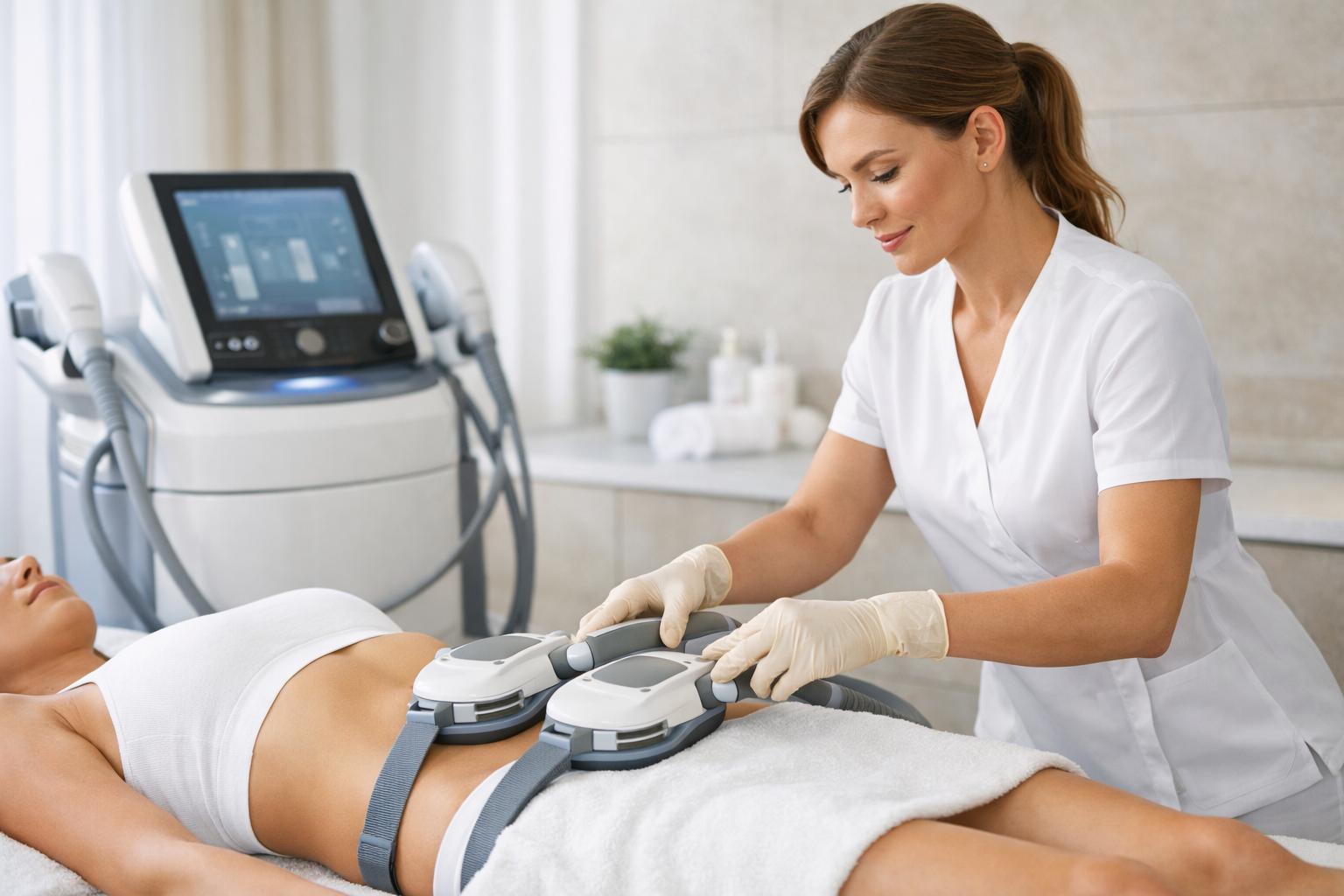
Radiofrequency microneedling combines tiny needles with radiofrequency energy delivered into the skin.
The goal is to stimulate collagen while also using controlled heat beneath the skin. It may be considered for concerns involving skin laxity, wrinkles, texture, or scarring.
Because RF microneedling uses energy in addition to needles, it is important to ask about the exact device and the provider’s experience with it.
Microneedling With PRP
Some clinics offer microneedling with platelet-rich plasma, commonly called PRP. The concept is to use a patient’s own platelet-rich plasma alongside the microneedling procedure.
If a provider recommends combining microneedling with another product or procedure, ask exactly what is being used and why. The FDA notes that it has not cleared microneedling devices for use with every cosmetic product or combination treatment.
Microneedling for Acne Scars
Acne scarring is one of the reasons people seek microneedling in Miami. The treatment can stimulate collagen remodeling and gradually improve the appearance of certain scars.
However, different types of acne scars respond differently. A consultation is important because deep or tethered scars may require a different or combined treatment approach.
How Much Does Microneedling Cost in Miami?
Pricing varies from one Miami clinic to another. Current 2026 local pricing data places microneedling at approximately $300–$840 per session, although individual providers may charge less or more depending on the treatment and technology.
RF microneedling and treatments combined with PRP or other add-ons can cost more than standard microneedling.
Before comparing prices, find out what the quoted amount actually includes:
- Consultation
- Numbing cream
- Full-face treatment
- Neck treatment
- PRP or another add-on
- Post-treatment products
- Follow-up appointments
A lower advertised price may not represent the lower overall cost if important parts of the treatment are charged separately.
What Happens During a Microneedling Appointment?
The exact process depends on the clinic, but a typical appointment usually begins with cleansing the treatment area.
A topical numbing cream may be applied before treatment to make the procedure more comfortable. The provider then uses the microneedling device across the selected areas in a controlled pattern.
You may feel vibration, pressure, scratching, or mild discomfort. After treatment, your skin may appear red and feel warm or tight, similar to a mild sunburn.
The actual treatment time varies depending on the area being treated. A full-face session may take around 30 minutes once preparation is complete.
What Should You Expect After Microneedling?
The first few days are usually the most important part of recovery.
First 24 Hours
Your skin may look red and feel warm, tight, or sensitive. Keep your skincare routine simple and follow the specific instructions provided by your clinic.
Avoid touching your face unnecessarily, particularly with unwashed hands.
Days 2–3
Redness generally begins to settle, although some people experience dryness, roughness, mild swelling, or light flaking.
Do not pick at peeling skin or try to speed up the process by scrubbing.
Days 3–7
Your skin should gradually feel more normal. Depending on the treatment depth, some dryness or flaking can continue.
Your provider may tell you when to restart products such as retinoids, exfoliating acids, or other active ingredients.
Following Weeks
Microneedling results do not appear overnight. Collagen remodeling continues after the treatment, so improvements in texture and firmness can become more noticeable over the following weeks.
A series of treatments may be recommended depending on your goals.
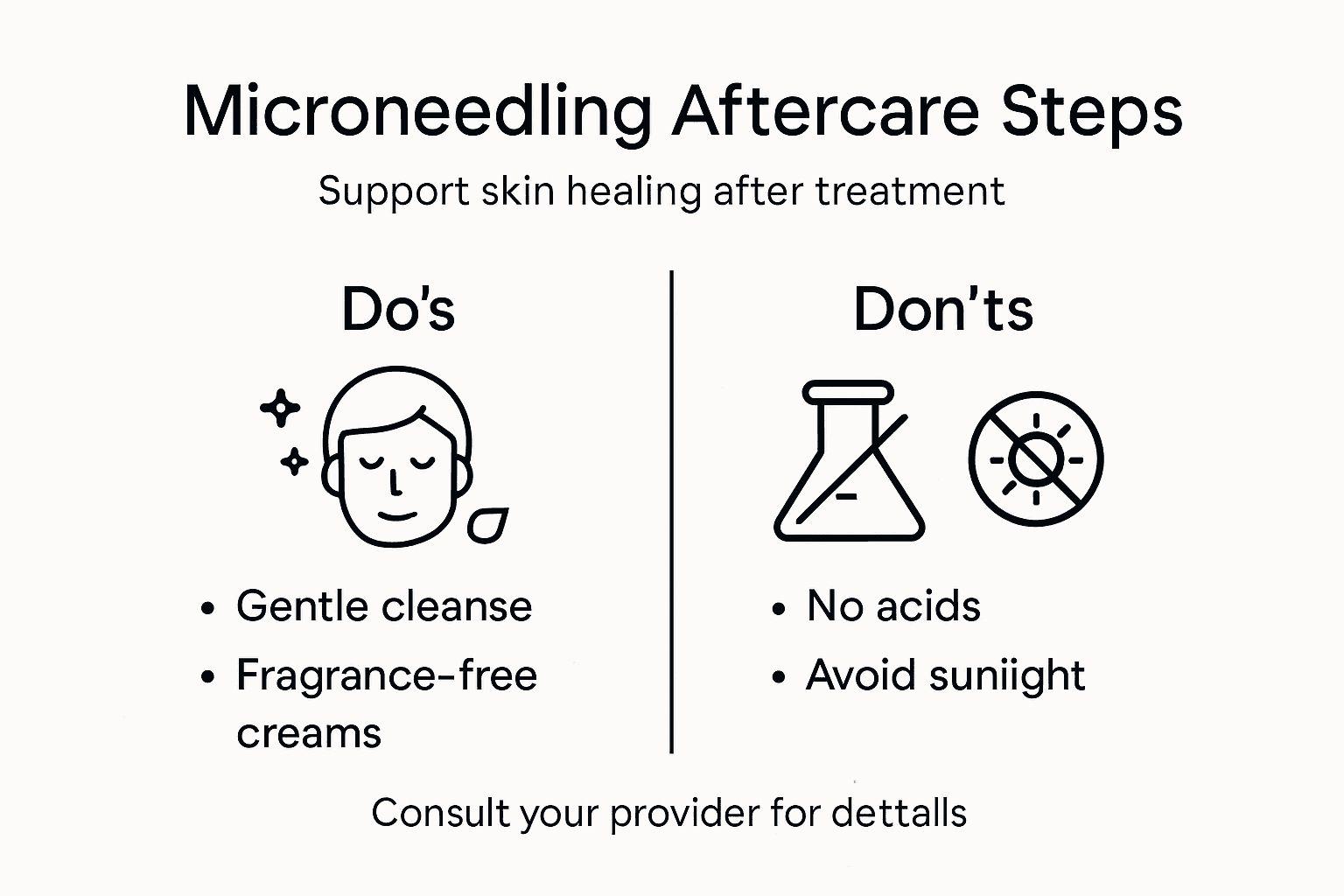
Microneedling Aftercare: What Should You Avoid?
Aftercare is especially important because the skin is temporarily more sensitive.
Your provider may recommend avoiding:
- Direct sun exposure
- Heavy exercise for a short period
- Saunas and excessive heat
- Swimming
- Makeup immediately after treatment
- Retinoids
- Strong exfoliating acids
- Harsh skincare products
- Picking or peeling the skin
Use gentle skincare products and follow the aftercare instructions supplied by your provider. Sun protection is particularly important in Miami because frequent sun exposure can make recovering skin more vulnerable to irritation and pigmentation changes.
When Can You Return to Normal Activities?
Recovery depends on the depth and type of treatment.
With standard microneedling, redness and mild swelling may settle within one to three days, although dryness or flaking can last longer. Deeper treatments may require more recovery time.
Do not schedule an important event immediately after your first treatment. If you have a wedding, photo shoot, vacation, or other occasion coming up, ask your provider how much recovery time they recommend.
How to Choose a Microneedling Clinic in Miami
Choosing the right provider is just as important as choosing the treatment.
Ask About the Device
Ask for the exact name of the microneedling device being used. If it is an RF device, ask which RF technology is being used and how the provider determines the appropriate settings.
Ask Who Will Perform the Treatment
Find out the person’s training and experience with microneedling. The FDA specifically recommends choosing a healthcare provider who is specially trained in microneedling.
Ask About New Needle Cartridges
A new needle cartridge should be used appropriately for each patient and treatment session. Ask the clinic about its infection-control procedures if you have any concerns.
Don’t Ignore the Consultation
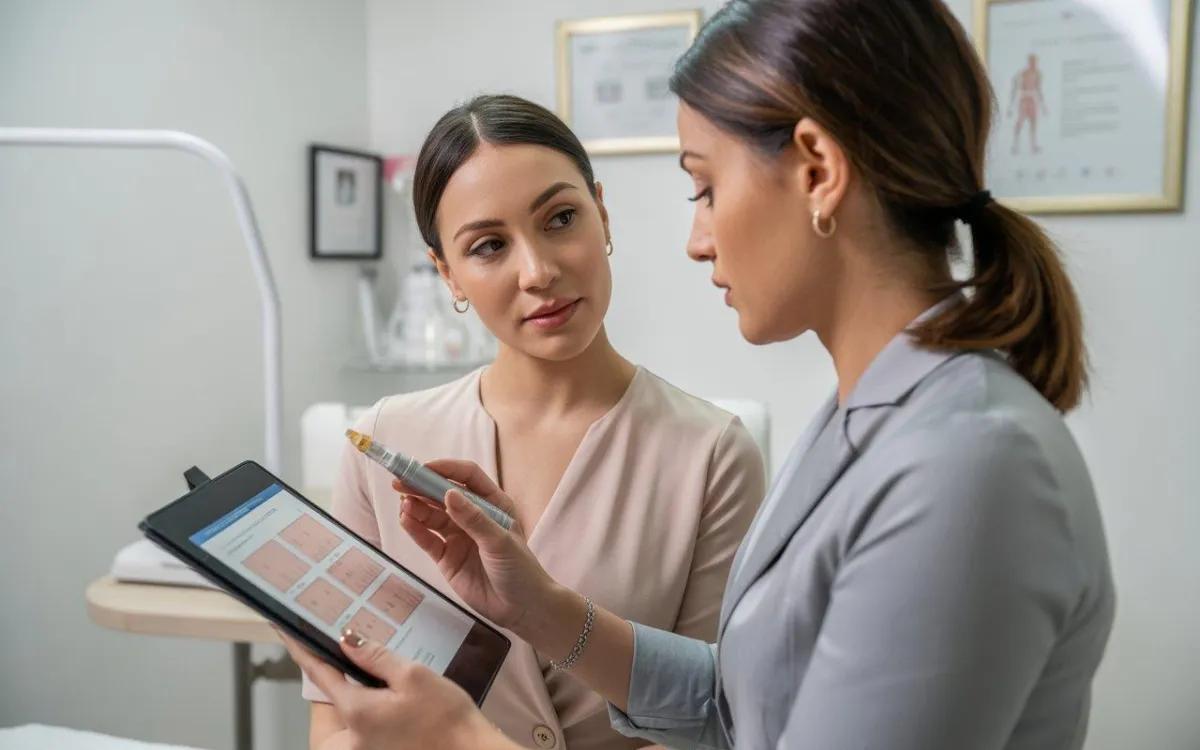
A good consultation should include an assessment of your skin, your goals, your medical history when relevant, possible risks, and expected results.
Be cautious if someone promises dramatic results after one session or pressures you to purchase a large package before explaining the treatment properly.
Is Microneedling Safe?
Microneedling can be safe when performed appropriately, but it is still a procedure that can cause side effects.
Temporary redness, swelling, tightness, itching, peeling, or minor bleeding can occur. Less common complications can include infection, pigment changes, or other skin damage.
Microneedling may not be appropriate for everyone. Tell your provider about medications, skin conditions, a history of cold sores, bleeding problems, or anything else they should know before treatment.
The FDA also recommends asking how reusable equipment is cleaned and whether a new needle cartridge is used for each patient.
When Should You Contact Your Provider?
Some redness and sensitivity are expected after treatment. However, worsening symptoms deserve attention.
Contact your provider if you notice things such as:
- Increasing rather than improving redness
- Significant or worsening swelling
- Pus or unusual drainage
- Increasing pain
- Fever
- Blistering
- Other symptoms that seem unusual for your recovery
Do not assume that a severe reaction is simply part of the healing process.
Frequently Asked Questions
How much does microneedling cost in Miami?
Current Miami pricing data commonly places standard microneedling around $300–$840 per session. The final price depends on the provider, treatment area, device, and whether you add services such as RF or PRP.
How many microneedling sessions will I need?
It depends on your skin concerns and treatment goals. Many people have a series of treatments spaced several weeks apart rather than relying on a single session. Acne scarring may require more sessions than a basic texture-maintenance treatment.
How long does microneedling take to heal?
Redness and mild swelling often improve within one to three days after standard treatment, although dryness or flaking can last longer. Deeper treatments may require additional recovery time.
Can I go in the sun after microneedling?
You should minimize direct sun exposure while your skin is recovering and follow your provider’s specific sun-protection instructions. Miami’s strong sun makes this particularly important. Do not assume that a normal day at the beach is appropriate immediately after treatment.
Final Thoughts
Microneedling can be a useful option for improving the appearance of acne scars, fine lines, uneven texture, and other common skin concerns. Miami clinics offer several approaches, from traditional microneedling to RF microneedling and combination treatments.
The best choice depends on your skin rather than the treatment that happens to be most popular. Ask about the device, provider training, expected number of sessions, total cost, downtime, and aftercare before booking. Most importantly, give your skin time to recover instead of trying to rush the results. With appropriate treatment and consistent aftercare, improvements can develop gradually as your skin goes through the collagen-remodeling process.