What to Do Before Botox Treatment Florida
Getting Botox is usually a relatively quick cosmetic procedure, but a little preparation can make your appointment easier and help you know what to expect. Whether you are visiting a med spa for the first time or have had Botox before, it is important to give your provider accurate information about your health, medications, previous treatments, and cosmetic goals.
If you are wondering what to do before Botox treatment Florida, start with a consultation rather than simply booking an injection appointment. Your provider should determine whether Botox is appropriate for you, explain the treatment, and give you specific instructions based on your circumstances.
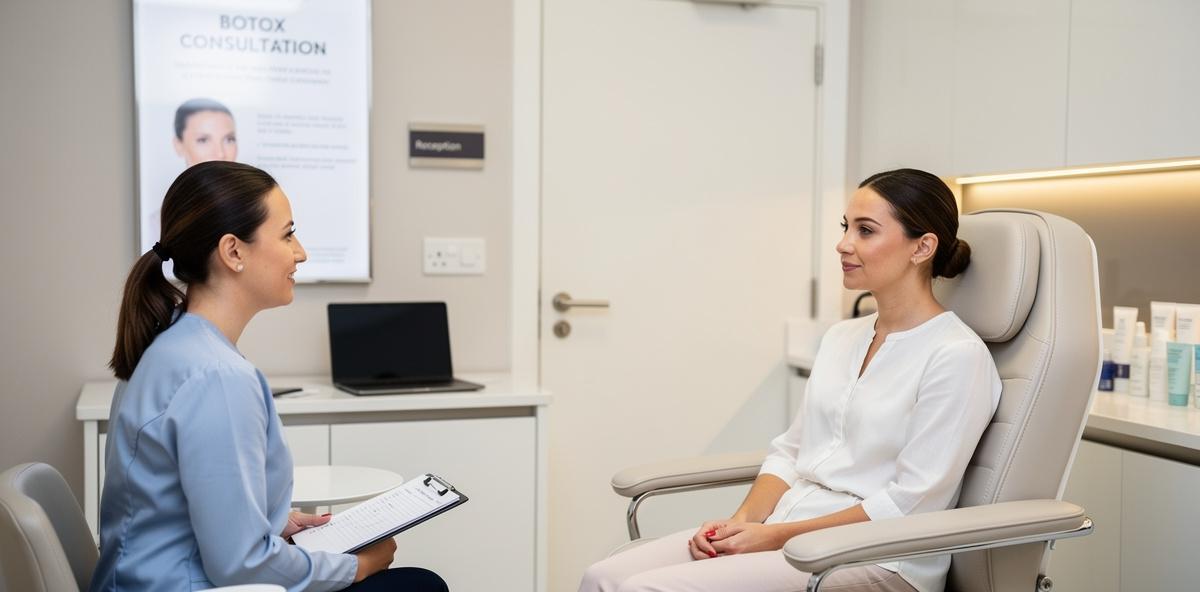
Schedule a Consultation First
Before receiving Botox, talk with the healthcare professional who will perform the injections. Use this appointment to explain what you want to improve and ask questions about the procedure.
Your provider may discuss:
- The areas you want treated
- Your previous Botox or injectable treatments
- Your medical history
- Prescription and over-the-counter medications
- Supplements you take
- Allergies or previous reactions
- Your expectations for the results
- Potential side effects
A consultation is also an opportunity to make sure you are comfortable with the person performing the treatment.
Tell Your Provider About Your Medications
Make sure your provider knows about all medications and supplements you take. This includes prescription medications, over-the-counter products, vitamins, and herbal supplements.
Some medications or supplements can affect bleeding or bruising. Your provider can tell you whether any preparation is necessary.
Do not stop taking a prescribed medication on your own simply because you are preparing for Botox. If there is a concern about a medication, discuss it with the healthcare professional who prescribed it and your Botox provider.
Discuss Your Medical History
Even though Botox injections are quick, your medical history still matters.
Tell your provider about relevant medical conditions, allergies, previous reactions to botulinum toxin products, and any other information they ask about.
You should also tell them if you have previously experienced complications from cosmetic injections.
The FDA notes that botulinum toxin products are prescription drugs and can cause side effects, so providing complete medical information is an important part of the consultation. (fda.gov)
Ask Which Product Will Be Used
“Botox” is commonly used as a general term for cosmetic botulinum toxin injections, but there are multiple botulinum toxin products.
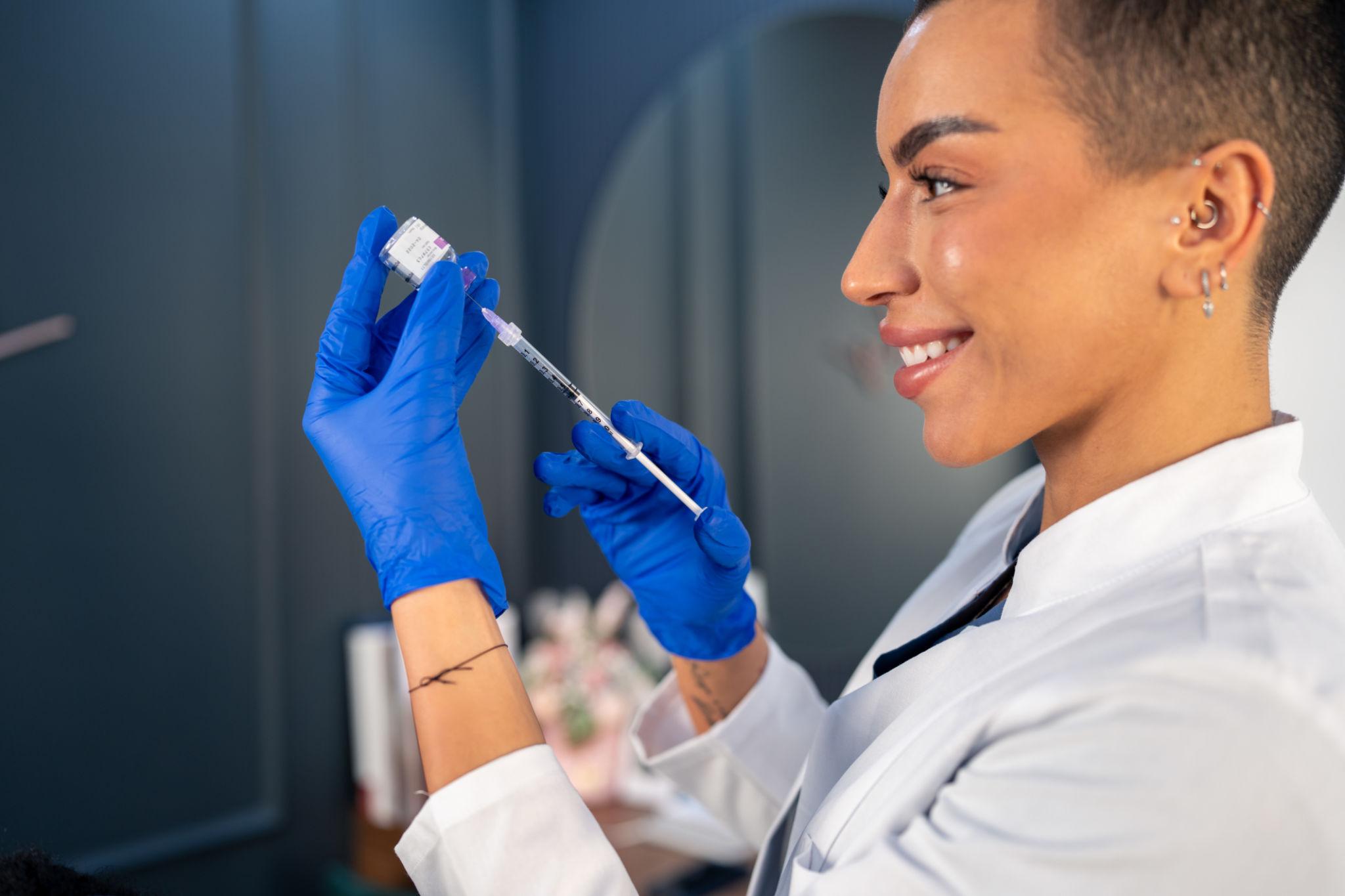
Ask your provider which specific product they plan to use and where it came from.
The FDA has warned consumers about counterfeit versions of Botox and recommends receiving botulinum toxin injections from a licensed and trained healthcare professional using an authorized product. (fda.gov)
If you are unsure about the product or the provider cannot answer basic questions about it, consider getting more information before proceeding.
Avoid Making Last-Minute Changes to Your Routine
You may see long lists online about foods, supplements, medications, and skincare products to avoid before Botox. Some recommendations are reasonable in certain circumstances, but not every piece of internet advice applies to every person.
Instead of following a generic checklist, ask your provider what you should avoid before your specific treatment.
If you are taking anything that may affect bleeding or bruising, your provider can advise you about the safest approach.
Limit Alcohol Before Your Appointment
Your provider may recommend avoiding or limiting alcohol before treatment because it can contribute to bruising or swelling in some people.
Ask the clinic about its specific preparation instructions and follow them rather than relying on a one-size-fits-all rule.
If you are unsure whether something you normally consume could affect your appointment, mention it during your consultation.
Arrive With Clean Skin
On the day of treatment, follow your provider’s instructions regarding skincare and makeup.
It is generally helpful to arrive with the treatment area clean and free of heavy makeup or products unless the clinic tells you otherwise.
Your provider will clean the treatment area before the injections, but starting with clean skin can make the appointment more convenient.
Avoid Scheduling Other Facial Procedures Too Close to Botox
If you regularly receive facials, chemical peels, laser treatments, microneedling, waxing, or other facial procedures, tell your Botox provider.
Some treatments may need to be separated by a certain amount of time. The appropriate timing depends on the procedure and your individual circumstances.
Rather than guessing how long you should wait, ask the provider coordinating your treatments.
Know What You Want to Treat
Before arriving, think about the areas you want to discuss.
You might be concerned about:
- Forehead lines
- Frown lines between the eyebrows
- Crow’s feet
- Other expression-related wrinkles
Bring up your concerns during the consultation rather than telling the injector exactly how many units you want. The provider should assess your facial movement and anatomy before recommending a treatment plan.
Have Realistic Expectations
Botox can temporarily reduce muscle activity and soften the appearance of certain wrinkles, but it does not stop the natural aging process.
Your results may differ from someone else’s because of facial anatomy, muscle strength, skin condition, treatment area, and other factors.
Be cautious about social media posts that promise identical results. Your provider should explain what Botox can realistically accomplish in your particular situation.
Plan for Possible Bruising or Swelling
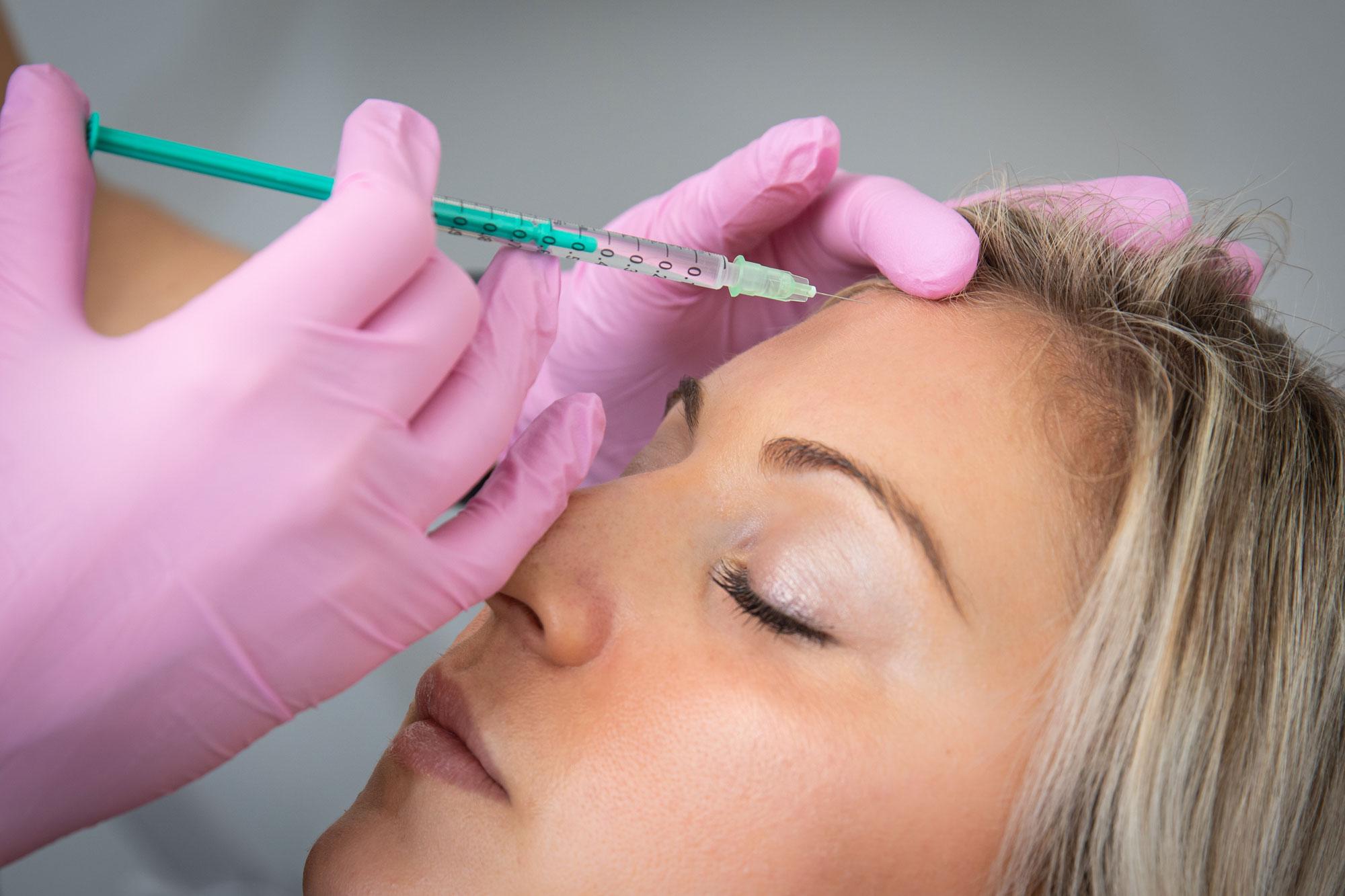
Even when Botox is performed correctly, some people experience temporary redness, swelling, tenderness, or bruising around injection sites.
If you have an important event coming up, mention it to your provider. You may want to schedule your appointment far enough in advance to allow any temporary injection-site effects to settle.
Your provider can also tell you what symptoms are expected and which ones should prompt you to contact the office.
Prepare Your Questions
You do not need to arrive at your appointment knowing everything about Botox. Write down questions beforehand so you do not forget them.
Consider asking:
- Who will perform my injections?
- What qualifications and training do they have?
- Which botulinum toxin product will be used?
- How many units do you recommend?
- Why do you recommend that amount?
- What results should I realistically expect?
- What are the possible side effects?
- What should I avoid before and after treatment?
- When should I expect to see results?
- Who should I contact if I have a concern?
A good provider should be willing to answer these questions before treatment.
Choose a Qualified Florida Provider
Preparation also means choosing the right person to perform the treatment.
Florida’s Department of Health provides a Medical Quality Assurance system where consumers can verify healthcare practitioner licenses. (flhealthsource.gov)
Before your appointment, check the credentials of the person who will actually administer the injections. Do not assume that because a treatment is offered at a medical spa, every person working there has the same qualifications.
FAQs
1. What should I avoid before Botox treatment?
Your provider may recommend avoiding certain activities, products, medications, or supplements depending on your circumstances. Ask your healthcare professional for personalized instructions rather than following a generic internet checklist.
2. Can I eat before getting Botox?
In most cases, Botox does not require fasting, but follow any specific instructions given by your provider. If you have a medical condition or procedure that requires different preparation, discuss it with the healthcare professional beforehand.
3. Should I stop my medications before Botox?
Do not stop prescribed medication without medical advice. Tell your Botox provider about all medications and supplements you take so they can determine whether any special precautions are necessary.
4. How long before an event should I get Botox?
Because temporary redness, swelling, or bruising can occur, it is sensible to discuss your event schedule with your provider rather than having your first treatment immediately before an important occasion.
Final Thoughts
Knowing what to do before Botox treatment in Florida can make the experience more comfortable and help you approach the procedure with realistic expectations. Start with a consultation, provide your provider with accurate medical information, discuss your medications and supplements, and ask which product will be used.
Do not make major changes to prescribed medications or your normal healthcare routine without professional advice. Instead, follow the preparation instructions provided by the qualified professional performing your treatment.
Most importantly, verify the provider’s credentials, ask questions, and make sure you understand the potential benefits and risks before agreeing to the injections. A few minutes of preparation and an honest consultation can go a long way toward making an informed decision about Botox.