The First Week After Botox: Common Aftercare Questions in St. Petersburg, FL
The first week after Botox can bring a mix of excitement and questions. You may notice a little redness around the injection sites, wonder when your forehead will start looking smoother, or find yourself checking the mirror to see whether anything has changed. These concerns are common, particularly if this is your first treatment.
For people receiving Botox in St. Petersburg, FL, knowing what to expect during the first few days can make aftercare less stressful. Results develop gradually, minor injection-site effects can occur, and the final outcome takes time to assess. Following your provider’s instructions and knowing which symptoms need medical attention are the most important parts of recovery.
What Happens During the First Week After Botox?
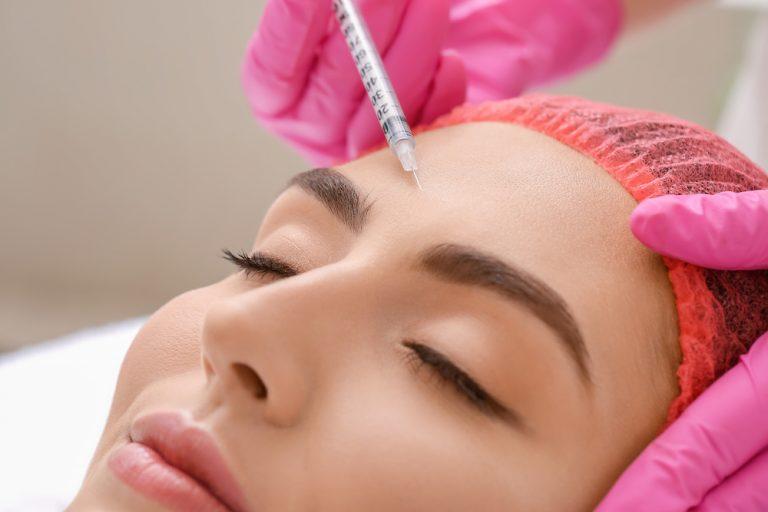
Botox works by temporarily reducing activity in specific muscles. It does not create an instant change in the skin, so the first few days may look much like your usual appearance.
Some people begin noticing a difference within three to seven days. Others see changes more gradually, and the full effect may take around two weeks. The timeline depends on the treatment area, the dose, and your individual response.
You might experience mild redness, tenderness, swelling, or bruising where the injections were given. These effects are generally temporary. If symptoms become increasingly painful, worsen instead of improving, or seem unusual, contact your medical provider rather than assuming they are part of normal recovery.
Day-by-Day Guide to Botox Aftercare
Day 1: Keep Things Simple
Immediately after treatment, the injection areas may have small raised spots, slight redness, or tenderness. These usually settle down without much intervention.
Follow the instructions given by your injector. Avoid rubbing or massaging the treated areas, and be gentle when washing your face. Your provider may recommend avoiding strenuous exercise for a period after treatment, so ask for specific guidance rather than relying on general online advice.
You can usually return to many everyday activities quickly, but there is no need to rush into a demanding workout or an elaborate skincare routine on the same day.
Days 2–3: Be Patient With Early Changes
During the next couple of days, minor injection-site marks may continue to fade. You may not notice any major improvement in your expression lines yet, and that does not necessarily mean the treatment has failed.
Try not to judge the outcome too early or compare your face with someone else’s results. Botox affects targeted muscles, and the response differs from person to person.
If you have questions about swelling, bruising, or discomfort, contact the clinic that performed the treatment. Your provider can assess whether what you are experiencing fits the expected recovery pattern.
Days 4–5: Early Results May Become Noticeable
By this point, some people start seeing softer movement in the treated muscles. Forehead lines or frown lines may appear less prominent when making certain expressions, although the effect may still be developing.
Continue to follow your aftercare instructions. Avoid trying to speed up the results by rubbing the area, applying intense treatments, or booking additional injections before the recommended review.
Days 6–7: Review Your Progress
At the end of the first week, you may have a clearer idea of how your treatment is developing. However, this is not always the final result. Many providers recommend allowing about two weeks before assessing the full effect.
If you notice an unexpected change, such as significant asymmetry or a drooping eyelid, contact your injector for advice. Do not attempt to correct the issue yourself or arrange additional treatment elsewhere without an appropriate assessment.
Common Botox Aftercare Questions
Can I Wash My Face After Botox?
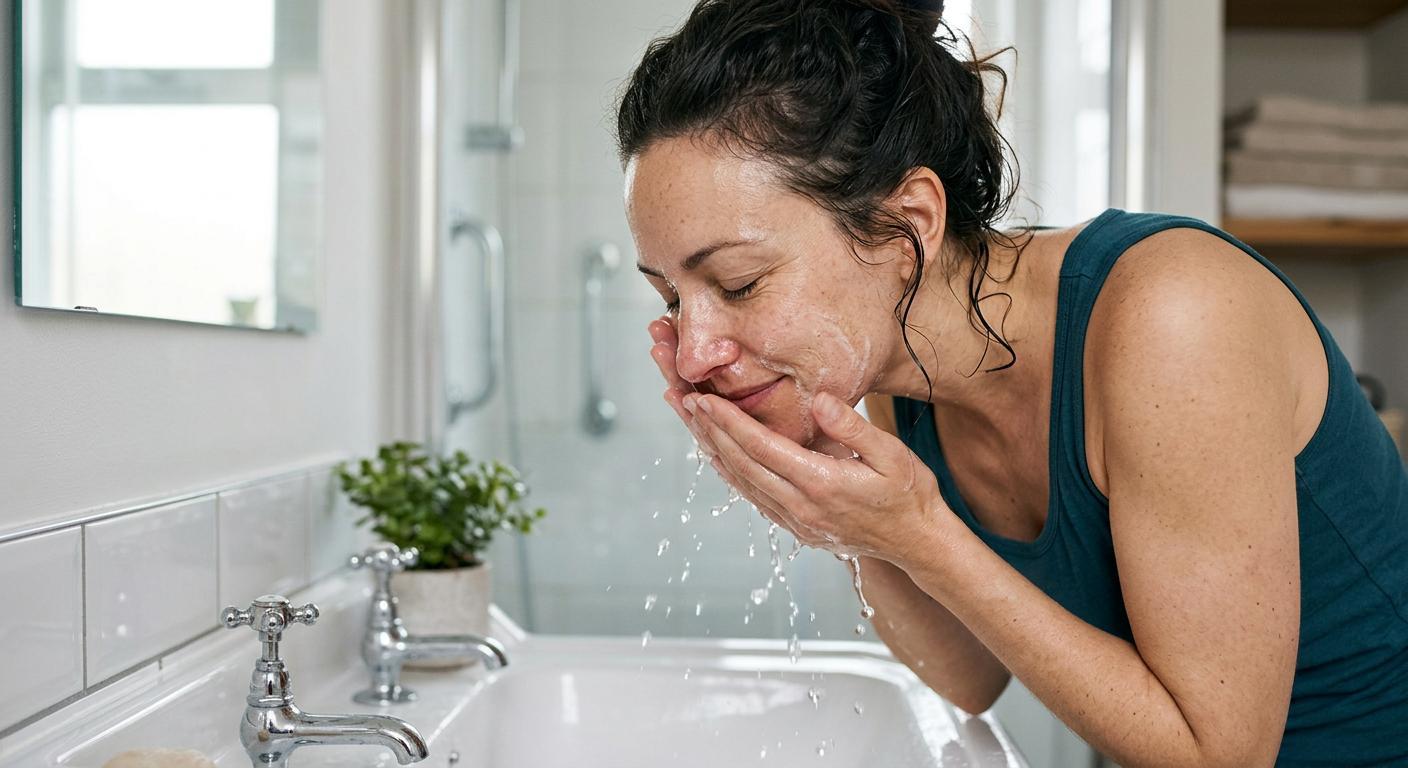
In most cases, gentle face washing is fine after treatment. Use a mild cleanser and avoid scrubbing, vigorous rubbing, or applying unnecessary pressure to the injection areas.
Your provider may give instructions specific to your treatment. If you also received a peel, laser treatment, or another procedure during the same visit, your skincare instructions may be different.
Can I Wear Makeup the Same Day?
Many people can return to their usual makeup routine relatively soon, but it is important to avoid pressing or rubbing the treated skin. Ask your provider when it is appropriate to apply makeup, especially if you have visible irritation or bruising.
Use clean hands and brushes, and avoid products that sting or irritate the injection sites.
Can I Exercise During the First Week?
Light daily activities are generally possible soon after Botox. For strenuous exercise, follow the timing instructions provided by your injector. Some clinicians advise waiting several hours or until the following day, depending on their protocol and your circumstances.
Exercise does not make Botox work faster. If you have a demanding workout planned, discuss the schedule before treatment so you can plan comfortably.
Can I Sleep on My Side?
You can generally return to your usual sleeping position after the initial period specified by your provider. Some injectors advise staying upright for around four hours after treatment and avoiding pressure on the injection areas during that time.
If your appointment was late in the day, ask the clinic whether any special precautions apply before bedtime.
Can I Drink Alcohol After Botox?
Alcohol may contribute to bruising in some people. If you are concerned about swelling or bruising, ask your provider whether you should avoid alcohol for a period around treatment. Follow their individual advice, especially if you take medication or have a health condition that affects bleeding.
When Can I Use Retinol or Other Active Skincare Products?
There is no single timeline that applies to every skincare product or every procedure. If the skin is irritated, keep your routine gentle and ask your provider when to resume retinol, exfoliating acids, or other potentially irritating products.
Botox itself does not usually require a complicated skincare routine, but combining it with other cosmetic treatments may change your aftercare instructions.
What Is Normal—and When Should You Call Your Provider?
Mild redness, tenderness, small bumps, or bruising around injection sites can occur after Botox. These effects are often short-lived, but the duration varies.
Contact your injector if you develop worsening pain, unusual swelling, significant asymmetry, a drooping eyelid, or symptoms that concern you. Your provider can decide whether you need an in-person assessment.
Seek urgent medical attention if you experience difficulty breathing, swallowing, or speaking, or develop severe or generalized muscle weakness. These are not symptoms to monitor at home while waiting for your routine follow-up.
What If You Do Not See Results After One Week?
It is understandable to wonder whether Botox has worked when your appearance has not changed much by day seven. However, the first week is still part of the normal results timeline for many people.
Allow the recommended time for the product to take effect, often around two weeks, before judging the outcome. If you still have questions after that point, arrange a follow-up with your provider.
Do not request extra injections too soon simply because you are impatient with the initial result. An appropriate review gives the clinician a better opportunity to assess muscle movement and determine whether any adjustment is suitable.
Planning Your First Week in St. Petersburg, FL
If you are scheduling Botox around work, family commitments, or an event in St. Petersburg, leave enough time for the results to develop and for any minor bruising to settle. Florida’s warm weather may also mean you spend time outdoors, so follow your normal sun-protection routine and avoid irritating the treated skin.
Choose a qualified medical professional who gives you clear written aftercare instructions and explains how to reach the clinic if you have concerns. Before leaving your appointment, make sure you know when to expect results, when to arrange a review, and which symptoms require prompt attention.
Frequently Asked Questions
1. How long does it take for Botox to work?
Some people notice changes within three to seven days, while the full effect may take around two weeks. The exact timing varies by person and treatment area.
2. Is bruising normal after Botox?
Small bruises can occur where injections are given. They generally fade with time, but contact your provider if bruising is severe, worsening, or accompanied by other concerning symptoms.
3. Can I return to work after Botox?
Many people return to regular activities the same day. If your work involves strenuous physical activity or pressure on the treated areas, ask your injector about any precautions.
4. Should I massage my face after Botox?
Avoid rubbing or massaging the injection areas unless your treating clinician specifically instructs you otherwise. Pressure on the area is not a way to improve results.
5. When should I schedule a follow-up?
Your provider may recommend reviewing the results at about two weeks, when the full effect is often easier to assess. Follow the schedule given for your individual treatment.
Final Thoughts
The first week after Botox is mostly about giving the treatment time to work and keeping your skin comfortable. Mild injection-site effects may happen, and visible changes can develop gradually rather than appearing overnight.
Follow your provider’s instructions, avoid trying to speed up the results, and contact the clinic if something does not seem right. With realistic expectations and appropriate aftercare, you can move through the first week with a clearer idea of what is normal and when to seek help.