Skin Rejuvenation in Orlando: Laser, IPL and Other Options
Skin rejuvenation treatments are popular among people who want to improve uneven skin tone, sun spots, fine lines, acne marks, or rough texture. In Orlando, Florida, med spas and dermatology clinics offer several options, ranging from laser treatments and IPL to chemical peels and microneedling.
The challenge is knowing which treatment is right for your skin. Laser and IPL may sound similar, but they work differently, and treatments designed to reduce pigmentation are not always the best choice for wrinkles or acne scars. Understanding the differences can help you compare options, estimate costs, and choose a treatment that fits your skin concerns.
What Is Skin Rejuvenation?
Skin rejuvenation refers to treatments intended to improve the appearance and texture of the skin. Depending on the method, a treatment may target discoloration, sun damage, fine lines, acne scars, or signs of reduced skin firmness.
Some treatments work by removing or exfoliating damaged surface cells, while others deliver energy into the skin to encourage changes in pigmentation or collagen production.
Common reasons people consider skin rejuvenation include:
- Sun spots and uneven pigmentation
- Fine lines and early signs of aging
- Rough or uneven skin texture
- Certain acne scars and post-acne marks
- Dull-looking skin
- Mild skin laxity
No single procedure addresses every concern. A professional skin assessment can help determine which treatment is appropriate and whether a combination of methods may be useful.
Laser Skin Rejuvenation in Orlando
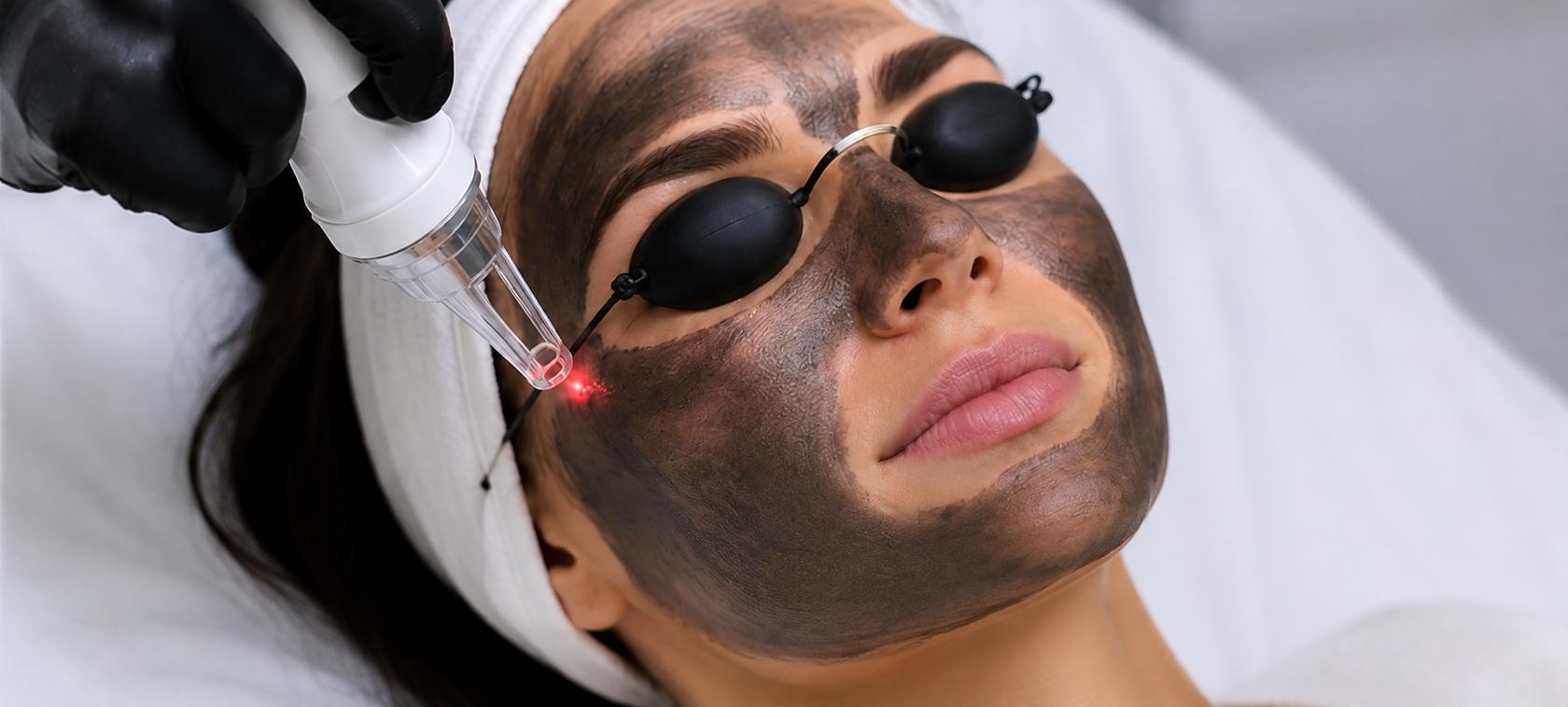
Laser treatments use focused light energy to target specific structures in the skin. Depending on the device, a laser may address pigmentation, visible blood vessels, uneven texture, wrinkles, or certain scars.
Different lasers have different purposes, so it is important to understand which technology a clinic is recommending.
1. Ablative Laser Resurfacing
Ablative lasers remove controlled layers of skin to improve certain wrinkles, scars, and surface irregularities. These treatments can produce more noticeable changes than gentler options, but they generally involve more downtime and a greater risk of complications.
Redness, swelling, and peeling may occur during recovery. More intensive treatments require careful aftercare and appropriate medical supervision.
2. Non-Ablative Laser Treatments
Non-ablative lasers heat targeted tissue without removing the entire outer layer of skin. They may be used to improve selected concerns, including mild wrinkles, texture, and certain forms of sun damage.
Recovery is often shorter than with ablative resurfacing, although redness, swelling, and sensitivity can still occur. Several sessions may be needed, and results usually develop gradually.
3. Fractional Laser Treatments
Fractional lasers treat tiny sections of the skin while leaving surrounding tissue untreated. This approach is used with both ablative and non-ablative technologies.
Fractional treatments may help improve certain acne scars, wrinkles, and uneven texture. The recovery period depends on the specific laser, treatment intensity, and individual skin response.
IPL Photofacial: What Does It Do?
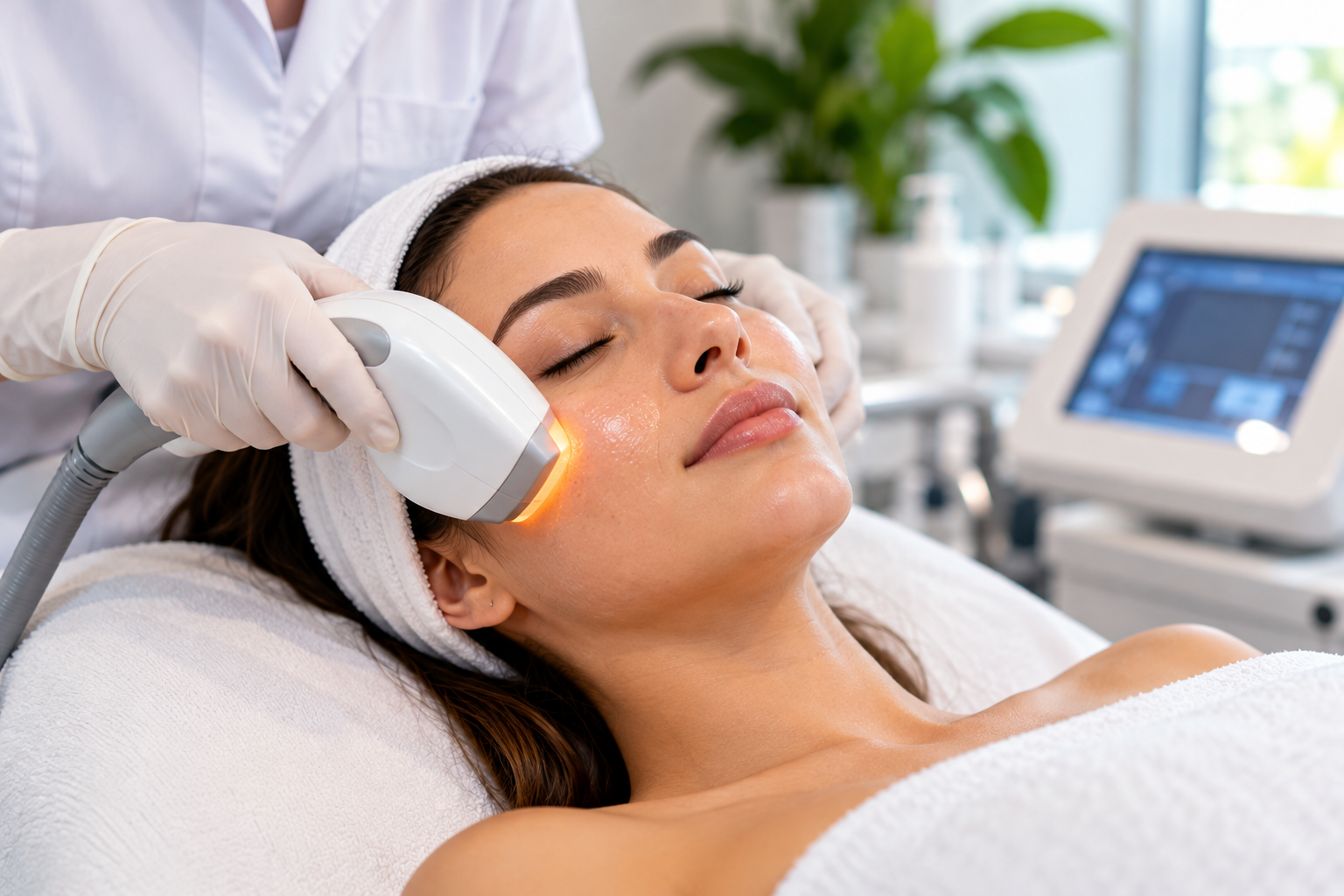
Intense pulsed light, commonly called IPL, uses pulses of broad-spectrum light rather than a single focused laser wavelength. It is often used to improve the appearance of sun spots, freckles, selected forms of pigmentation, and some visible blood vessels.
An IPL photofacial may be considered by people who want to address several signs of sun damage without undergoing more intensive resurfacing.
What to Expect From IPL
During an appointment, the provider usually cleans the skin and gives you protective eyewear. A handheld device delivers pulses of light to the treatment area. You may feel a brief snapping or warm sensation during the procedure.
Some pigmentation spots may temporarily darken before gradually fading. Redness and mild swelling can also occur.
IPL is not suitable for every skin tone or condition. Certain skin tones and recently tanned skin may have a higher risk of burns or unwanted pigmentation changes. A qualified provider should assess your skin and determine whether IPL is an appropriate choice.
Laser vs. IPL: Which Is Better?
Laser and IPL are both light-based treatments, but neither is universally better. The appropriate choice depends on the concern being treated, skin tone, treatment area, and desired recovery time.
| Feature | Laser treatment | IPL photofacial |
|---|---|---|
| Technology | Focused light at specific wavelengths | Broad-spectrum pulses of light |
| Common uses | Selected scars, wrinkles, pigmentation, and texture concerns | Selected sun spots, pigmentation, and visible blood vessels |
| Treatment options | Vary by laser type and intensity | Vary by device and settings |
| Recovery | Ranges from minimal to several weeks | Often shorter, but redness and swelling may occur |
| Sessions | One or several, depending on the procedure | Often a series of sessions |
A consultation is especially important for people with darker skin tones or a history of pigmentation problems. The wrong device or settings can cause burns or lasting discoloration.
Other Skin Rejuvenation Options in Orlando
Laser and IPL are not the only treatments available. Depending on your goals, other procedures may offer a more suitable approach.
1. Chemical Peels
Chemical peels use specially formulated solutions to exfoliate the skin. They may help improve dullness, uneven texture, certain acne-related marks, and some forms of pigmentation.
Superficial peels generally involve less downtime, while stronger peels require more recovery and carry greater risks. The appropriate peel depends on your skin type and the concern being treated.
2. Microneedling
Microneedling uses fine needles to create controlled micro-injuries that stimulate the skin’s natural healing response. It is often considered for certain acne scars, uneven texture, and fine lines.
Redness and sensitivity are common immediately afterward, and several sessions may be recommended. Proper technique and aftercare are important for reducing the risk of infection and pigmentation changes.
3. Radiofrequency Treatments
Radiofrequency treatments deliver energy into targeted tissue to produce heating. Depending on the device, they may be used to improve the appearance of mild skin laxity or texture.
Some treatments combine radiofrequency with microneedling. These procedures have different risks and recovery requirements from non-invasive radiofrequency treatments, so ask the provider to explain the exact method being offered.
4. Medical-Grade Skincare
Professional skincare products may be useful for managing concerns such as uneven tone, dryness, acne, and early signs of aging. Ingredients such as retinoids, vitamin C, and selected exfoliating acids can play a role in a skincare plan, depending on individual needs.
Skincare does not replace every in-office procedure, but consistent use of suitable products and sun protection can support skin health and help maintain treatment results.
How Much Does Skin Rejuvenation Cost in Orlando?
The cost of skin rejuvenation depends on the procedure, the device used, the treatment area, and the number of appointments required. The following figures are general budgeting estimates, not verified prices from individual Orlando clinics.
| Treatment | Approximate cost per session |
|---|---|
| IPL photofacial | $200–$600 |
| Non-ablative laser treatment | $300–$1,000 |
| Ablative or fractional laser resurfacing | $500–$2,500+ |
| Chemical peel | $75–$600+ |
| Microneedling | $200–$500 |
| Radiofrequency treatment | $200–$1,000+ |
Prices can vary significantly, particularly for intensive laser procedures or customized treatment plans.
What Affects the Price?
Treatment intensity: More intensive procedures may require specialized equipment, greater clinical expertise, and additional follow-up care.
Size of the treatment area: Treating the full face may cost more than addressing a small area.
Number of sessions: Some treatments work best as a series, so ask about the total cost rather than only the price of one appointment.
Provider qualifications: Training and experience matter, especially for procedures with greater risks of burns, scarring, or pigmentation changes.
Aftercare products: Sunscreen, moisturizers, or prescribed skincare products may be additional expenses.
Request a written estimate that explains what is included and whether follow-up visits cost extra.
How to Prepare for Skin Rejuvenation
Preparation varies by treatment, but a few steps can help you avoid unnecessary irritation and make the consultation more useful.
- Tell your provider about your medical history, medications, supplements, and previous cosmetic procedures.
- Discuss any history of cold sores, skin infections, scarring, or pigmentation changes.
- Avoid tanning and follow the provider’s instructions about sun exposure.
- Ask whether you should pause retinoids, exfoliating acids, or other active skincare products.
- Confirm whether the procedure requires numbing cream, special preparation, or time away from work.
Do not stop prescribed medication unless the clinician responsible for your care advises you to do so.
Recovery and Aftercare Tips
Recovery depends on the treatment. A gentle IPL session or superficial peel may cause only temporary redness, while ablative laser resurfacing can involve more substantial swelling, peeling, and prolonged redness.
After treatment, follow your provider’s instructions carefully.
Keep your routine gentle. Use suitable cleansing and moisturizing products and avoid scrubbing treated skin.
Protect yourself from the sun. Use shade, protective clothing, and broad-spectrum sunscreen when your provider says it is appropriate. Sun protection is particularly important in Orlando’s sunny climate.
Avoid picking at the skin. Peeling, crusting, or darkened spots should be allowed to heal naturally.
Pause irritating products. Your provider may recommend temporarily avoiding retinoids, acids, and other active ingredients.
Watch for unusual symptoms. Blistering, increasing pain, spreading redness, or signs of infection should be assessed promptly by a healthcare professional.
How to Choose a Skin Rejuvenation Provider in Orlando
When comparing clinics, look beyond promotional prices and dramatic before-and-after pictures. Check the provider’s qualifications, experience with your skin concern, and familiarity with the device being used.
Ask why the recommended treatment is suitable for your skin tone and goals. A good provider should explain possible side effects, realistic results, expected downtime, and alternatives. They should also discuss the risk of pigmentation changes, particularly if you are prone to dark marks after inflammation.
Be cautious if a clinic promises flawless skin, guarantees results, or recommends several expensive procedures without explaining why they are needed.
Frequently Asked Questions
1. What is the best skin rejuvenation treatment in Orlando?
The best treatment depends on your concern. IPL may help with selected pigmentation and visible blood vessels, while certain lasers can target wrinkles, scars, or texture. Chemical peels and microneedling may be appropriate alternatives for some people.
2. How much does skin rejuvenation cost in Orlando?
Costs vary by procedure. IPL may cost around $200–$600 per session, while laser resurfacing can range from several hundred dollars to $2,500 or more. Ask for a personalized estimate based on your treatment plan.
3. Is IPL the same as laser treatment?
No. IPL uses broad-spectrum pulses of light, while lasers use more focused light at specific wavelengths. Both can address selected skin concerns, but they differ in how they work and which patients are suitable candidates.
4. How long does it take to see skin rejuvenation results?
Some treatments produce visible changes within days, while others require several weeks or multiple sessions. Results and recovery depend on the technology, treatment intensity, and individual skin response.
Final Thoughts
Skin rejuvenation in Orlando offers several ways to address sun damage, uneven pigmentation, fine lines, and skin texture. Laser treatments, IPL, chemical peels, microneedling, and radiofrequency each have different uses, costs, and recovery requirements.
The best starting point is a consultation with a qualified professional who can assess your skin and explain which option is appropriate. Compare the total cost, potential risks, and realistic outcomes before committing to treatment. A carefully chosen procedure, combined with consistent sun protection and suitable skincare, can help you work toward healthier-looking skin.