Microneedling in Orlando: Treatment Options and Aftercare
Microneedling is a popular skin treatment for people who want to improve uneven texture, soften the appearance of acne scars, and achieve smoother-looking skin. In Orlando, Florida, it is offered by many skincare clinics and medical spas, with treatment plans varying according to skin concerns, the equipment used, and the provider’s assessment.
Although microneedling is a minimally invasive procedure, it still requires proper preparation and aftercare. Understanding the available treatment options, what happens during an appointment, and how to care for your skin afterward can help you decide whether it is suitable for you.
What Is Microneedling?
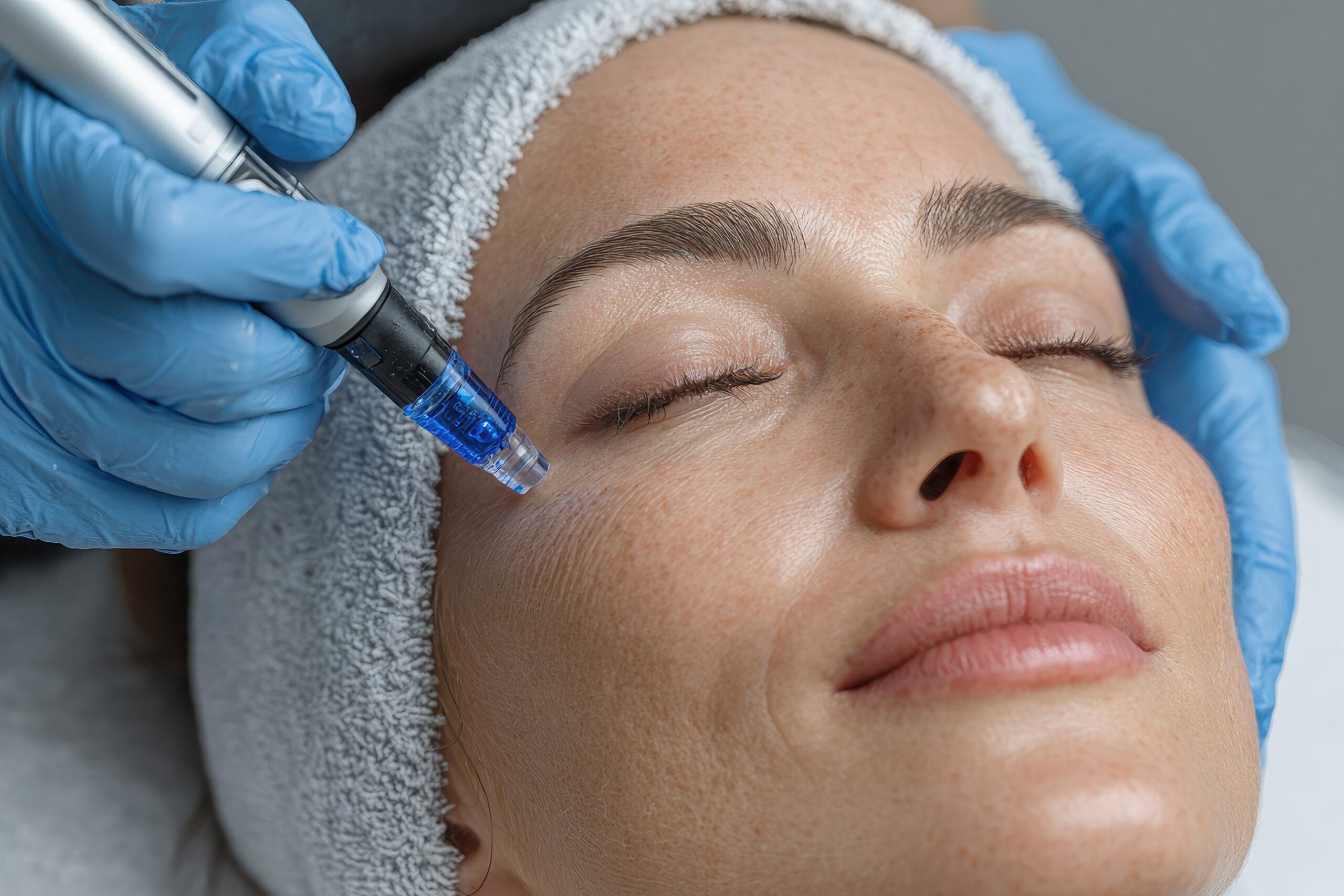
Microneedling uses a device fitted with fine, sterile needles to create controlled, tiny punctures in the skin. These micro-injuries trigger the body’s natural wound-healing response, including processes involved in collagen production.
Collagen helps support the skin’s structure. As the skin heals, some people notice gradual improvements in texture, the appearance of certain acne scars, and the look of fine lines. Results develop over time rather than appearing fully immediately after one session.
Microneedling may be considered for:
- Uneven skin texture
- Certain types of acne scarring
- Fine lines and wrinkles
- The appearance of enlarged pores
- Mild skin irregularities
It cannot remove every scar or completely eliminate wrinkles. A consultation can help determine whether microneedling is appropriate for your skin and what results are realistic.
Microneedling Treatment Options in Orlando
Not every microneedling treatment is the same. The right option depends on your skin concerns, sensitivity, treatment goals, and the professional performing the procedure.
1. Traditional Microneedling
Traditional microneedling uses a professional device with fine needles to create controlled micro-injuries. It is commonly chosen to address uneven texture, mild acne scarring, and early signs of aging.
The treatment depth should be selected according to the area being treated and the person’s skin. Several sessions may be recommended, depending on the concern and how the skin responds.
2. Radiofrequency Microneedling
Radiofrequency microneedling combines tiny needles with radiofrequency energy delivered into the skin. It is often considered by people seeking improvement in skin texture, the appearance of scars, or mild skin laxity.
This treatment differs from traditional microneedling because it also delivers heat into targeted tissue. It may involve greater expense and a different recovery period. A qualified medical professional should explain the potential benefits, risks, and whether it is suitable for your skin.
3. Microneedling for Acne Scars
Some types of acne scars may respond to microneedling because the procedure stimulates the skin’s healing response. However, different scars require different approaches, and deep or tethered scars may need other treatments.
Active, inflamed acne should be assessed before treatment. Needling over active breakouts can worsen irritation and may spread infection. A provider should examine your skin and recommend an appropriate plan rather than treating every acne scar in the same way.
4. Microneedling With Customized Serums
Some clinics offer microneedling alongside selected topical products or other skin treatments. However, not every serum is suitable for use with a needling procedure, because the skin barrier is temporarily disrupted.
Ask which products will be used, why they are being recommended, and whether they are specifically appropriate for the procedure. Avoid treatments that promise dramatic results without explaining the ingredients, evidence, and possible risks.
How Much Does Microneedling Cost in Orlando?
Microneedling prices vary by provider, treatment type, and the size of the area being treated. As a general budgeting estimate, traditional microneedling may cost around $200–$500 per session, while radiofrequency microneedling may cost approximately $500–$1,500 or more per session.
These are broad estimates, not verified prices for every Orlando clinic. Request a current quote before booking.
Factors that can affect the price include:
- Treatment type: Radiofrequency microneedling often costs more than traditional microneedling.
- Provider experience: Training and experience can influence the fee.
- Treatment area: Larger areas or more extensive treatment plans may cost more.
- Number of sessions: A course of treatments can increase the overall expense.
- Additional services: Optional products or complementary treatments may be charged separately.
Before purchasing a package, ask how many sessions are recommended, what each session includes, and whether the clinic charges extra for follow-up appointments.
What Happens During a Microneedling Appointment?
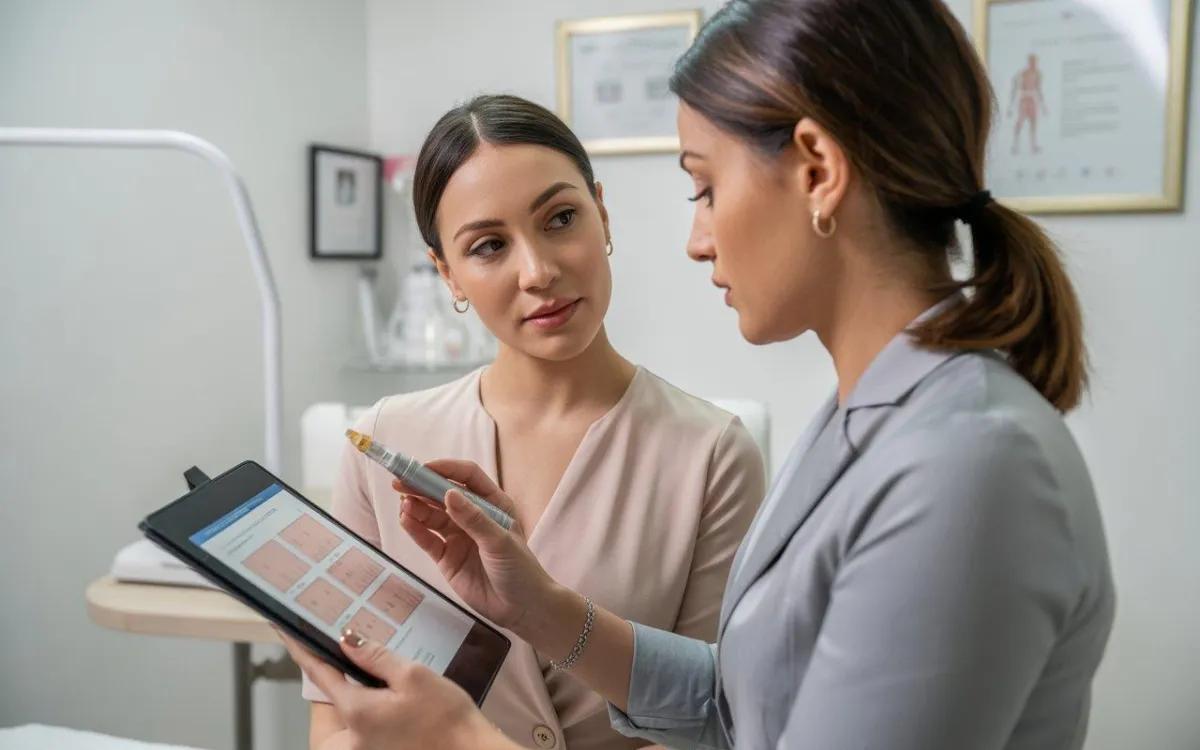
A typical appointment begins with a consultation. The provider reviews your skin concerns, medical history, medications, previous treatments, and expectations.
The skin is then cleansed, and a topical numbing cream may be applied when appropriate. The practitioner uses the microneedling device across the selected area, adjusting the treatment to the plan. Afterward, a suitable soothing product may be applied.
The procedure can cause a prickling or scratching sensation, along with temporary redness and sensitivity. The appointment length depends on the area and treatment type.
Before treatment, ask who will perform the procedure, what device will be used, and how the clinic maintains sterile equipment and infection-control practices.
Microneedling Aftercare: What to Do After Treatment
Aftercare matters because the skin barrier is temporarily disrupted. Your provider should give you instructions tailored to the device, treatment depth, and your skin’s response.
1. Use Gentle Skincare
For the first few days, use a gentle cleanser and a simple moisturizer recommended by your provider. Avoid harsh scrubs and products that sting or cause irritation.
2. Protect Your Skin From the Sun
Freshly treated skin can be more sensitive to sunlight. Avoid unnecessary direct sun exposure and follow your provider’s guidance on when to resume sunscreen. Once appropriate for your skin, use broad-spectrum SPF 30 or higher and reapply as directed.
3. Pause Strong Active Ingredients
Retinoids, exfoliating acids, benzoyl peroxide, and other potentially irritating products may need to be paused around treatment. The exact timing depends on the procedure and your skin’s recovery, so follow your clinician’s instructions before restarting them.
4. Avoid Picking or Scrubbing
Do not pick at peeling skin, scratch the treated area, or use abrasive cleansing tools. Let your skin recover naturally and avoid unnecessary friction.
5. Be Careful With Heat and Sweating
Your provider may recommend avoiding intense exercise, saunas, steam rooms, and other sources of excess heat for a short period after treatment. Follow the specific recovery instructions you receive.
6. Know When to Seek Help
Redness, mild swelling, tightness, and sensitivity can occur after microneedling. Contact your provider if symptoms are worsening or lasting longer than expected. Increasing pain, spreading redness, pus, fever, or blistering needs prompt medical assessment.
Who Should Avoid or Delay Microneedling?
Microneedling is not suitable for everyone. Treatment may need to be postponed or avoided in cases involving active skin infections, open wounds, inflamed acne, or certain skin conditions. A history of keloid scarring, impaired wound healing, or medications that affect healing also deserves careful assessment.
People with darker skin tones can often be treated, but inflammation may sometimes trigger unwanted pigmentation changes. An experienced provider should discuss this risk and choose an appropriate approach.
If you are pregnant, have a medical condition that may affect healing, or are taking medication that could influence bleeding or recovery, discuss this with a qualified healthcare professional before booking.
How to Choose a Microneedling Provider in Orlando
When comparing clinics, look beyond promotional offers and social media photographs. Check the provider’s license, training, experience with your specific concern, and ability to explain risks clearly.
Ask whether the device is appropriate for your skin, how treatment depth is selected, and what steps are taken to prevent infection. If radiofrequency microneedling is offered, ask about the device, its risks, and the provider’s specific experience with it.
A responsible provider should explain realistic outcomes, expected downtime, total cost, and alternative treatments. You should feel comfortable asking questions and declining treatment if you are not confident in the plan.
Frequently Asked Questions
1. How much does microneedling cost in Orlando?
Traditional microneedling may cost around $200–$500 per session, while radiofrequency microneedling may cost approximately $500–$1,500 or more. Actual prices depend on the clinic, treatment area, and plan.
2. How many microneedling sessions are needed?
Some people need several sessions to address concerns such as acne scarring or uneven texture. The number and spacing of treatments depend on your skin, the device used, and your provider’s assessment.
3. How long does skin take to recover after microneedling?
Redness and sensitivity often improve over the first few days, but recovery varies with treatment depth and individual skin response. More intensive treatments may require a longer recovery period.
4. Can I wear makeup after microneedling?
You may need to avoid makeup for at least the first 24 hours, or longer depending on the treatment and your provider’s instructions. Wait until your skin has recovered sufficiently and follow the clinic’s specific advice.
Final Thoughts
Microneedling in Orlando can be an option for people looking to improve the appearance of acne scars, fine lines, and uneven skin texture. Traditional and radiofrequency microneedling offer different approaches, and the best choice depends on your goals, skin condition, and tolerance for recovery time.
Before booking, compare provider qualifications, understand the total cost, and ask for clear aftercare instructions. A carefully selected treatment plan and patient recovery are more important than choosing the strongest procedure or the lowest advertised price.