Botox Results Timeline: What Changes and When in Port St. Lucie, FL
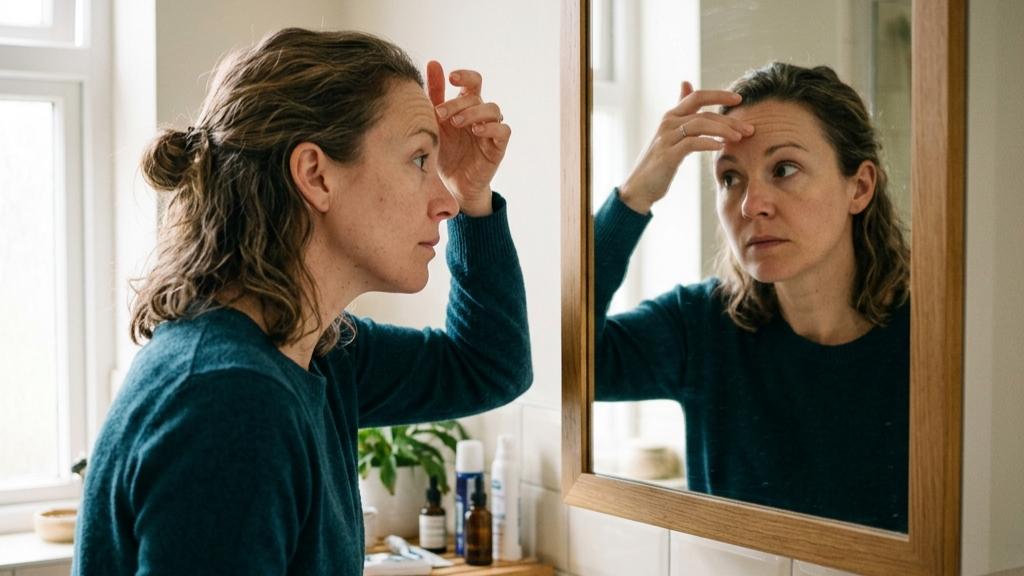
After getting Botox, one of the first things people wonder is when they will actually see a difference. You might look in the mirror the next morning and notice no change, then start wondering whether the treatment worked. That waiting period is normal because Botox does not smooth expression lines immediately.
For people considering Botox in Port St. Lucie, FL, understanding the results timeline can help set realistic expectations. Some people notice changes within a few days, while others need more time to see the full effect. The treatment area, dose, muscle activity, and individual response can all influence how the results develop.
How Does Botox Change the Appearance of Wrinkles?
Botox is a brand of botulinum toxin type A that temporarily reduces activity in selected muscles. When certain facial muscles contract less strongly, expression lines caused by repeated movement may become less noticeable.
It is commonly used for frown lines between the eyebrows, forehead lines, and crow’s feet around the eyes. However, Botox does not treat every type of wrinkle. Lines caused mainly by sun damage, changes in skin texture, or loss of facial volume may need a different approach.
The goal is not necessarily to remove every line. Many people prefer a softer appearance that still allows them to show natural expressions. Discussing your expectations with a qualified medical provider can help determine whether Botox is a suitable option.
Botox Results Timeline: Day by Day
Day 1: Your Face May Look the Same
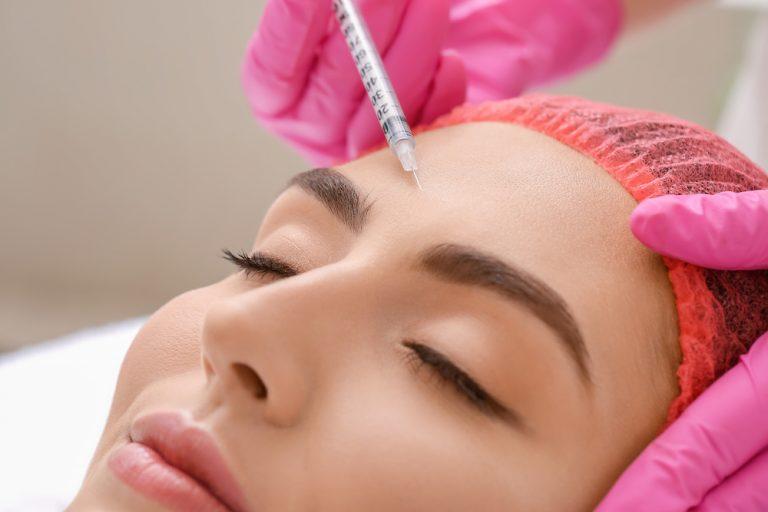
Immediately after treatment, you may notice small injection marks, mild redness, tenderness, or slight swelling. These effects are usually temporary.
You probably will not see a significant reduction in wrinkles on the first day. Botox needs time to affect communication between nerves and the targeted muscles, so an unchanged appearance does not mean the treatment has failed.
Follow your provider’s aftercare instructions and avoid rubbing or massaging the injection sites unless specifically advised.
Days 2–3: Early Changes May Begin
Some people start noticing subtle changes in muscle movement during the first few days. For example, frowning may begin to feel slightly different, or forehead movement may become less pronounced.
Other people may not see an obvious difference yet. Both experiences can be normal. Try not to judge the final outcome based on the first couple of days, and avoid comparing your progress too closely with someone else’s results.
Days 4–7: Wrinkles May Look Softer
During this period, changes often become easier to notice. Frown lines may appear less prominent when you concentrate, forehead lines may soften when you raise your eyebrows, and crow’s feet may become less noticeable when you smile.
The degree of improvement varies. Some people see a clear difference, while others experience a more gradual change. Your provider can help you understand what is realistic for your treatment area.
Days 8–14: The Full Effect Develops
By around two weeks, many people can assess their results more accurately. The targeted muscles may have reduced activity, making certain expression lines look smoother.
This is generally a better time to evaluate the outcome than the first few days. If you have concerns about uneven movement, limited improvement, or an unexpected change in appearance, arrange a review with your provider.
Do not rush into additional injections simply because you wanted a stronger result earlier. An appropriate assessment helps determine whether any adjustment is suitable.
How Long Do Botox Results Last?
Cosmetic Botox results commonly last around three to four months, although the duration differs from person to person. Some people notice the effects fading sooner, while others maintain improvement for longer.
As the product gradually wears off, muscle movement returns and expression lines may become more visible again. This does not mean your skin has suddenly become worse; it is usually the temporary treatment effect fading.
If you decide to continue treatment, ask your provider about an appropriate maintenance schedule. The timing should be based on your response, treatment goals, and medical guidance rather than a fixed schedule that everyone must follow.
What Can Affect Your Botox Results?
The Area Being Treated
Different facial areas have different patterns of muscle movement. Forehead lines, frown lines, and crow’s feet may respond differently depending on the muscles involved and the treatment approach.
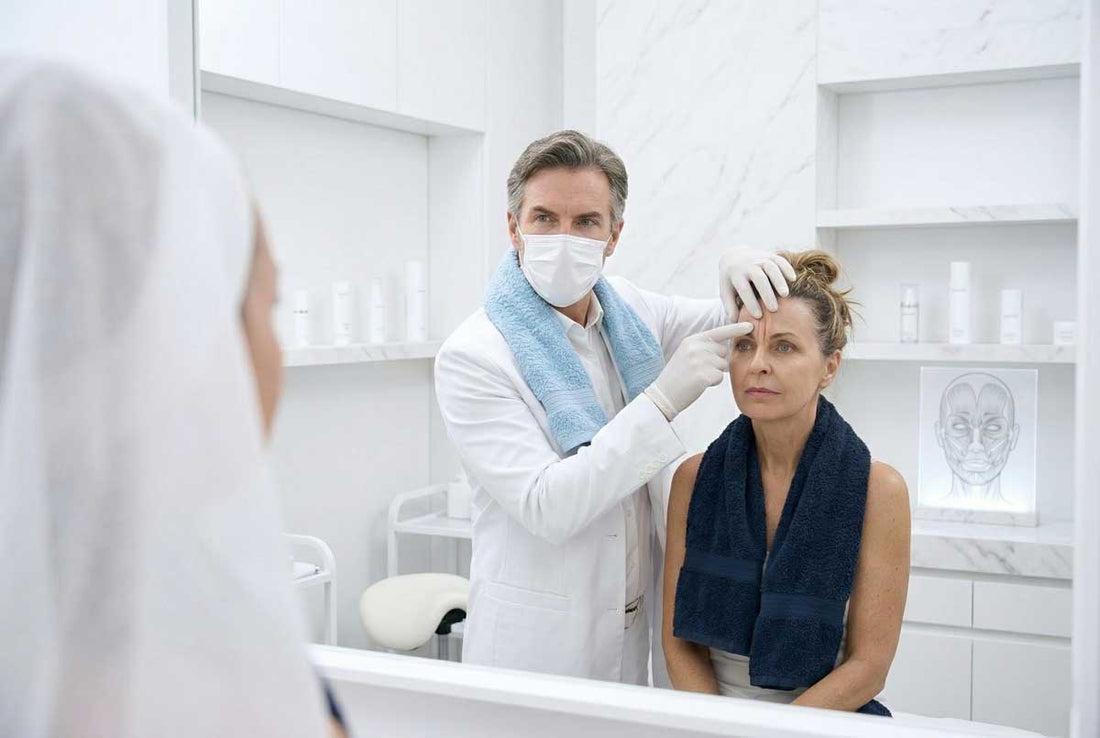
Your provider should assess your facial movement before recommending injection locations and dosing.
The Dose and Treatment Plan
The amount of product used is one factor that influences the result. A treatment plan should be tailored to your facial anatomy and goals rather than based only on a standard number of units.
More product does not automatically mean a better outcome. The aim is to achieve an appropriate effect while considering safety and natural facial movement.
Individual Muscle Activity
People differ in how strongly and frequently they use their facial muscles. These differences can influence how noticeable the result is and how long it lasts.
Your previous Botox experience, if any, can also help your provider understand how you respond to treatment.
Skin Condition and Type of Wrinkle
Botox works best for certain lines related to muscle movement. If a line remains visible when your face is relaxed, it may not disappear completely with Botox alone.
Sun exposure, skin texture, and changes in facial volume can contribute to the appearance of wrinkles. Your provider can explain whether another treatment or a combination of approaches might be more appropriate.
How to Get the Most From Your Botox Appointment
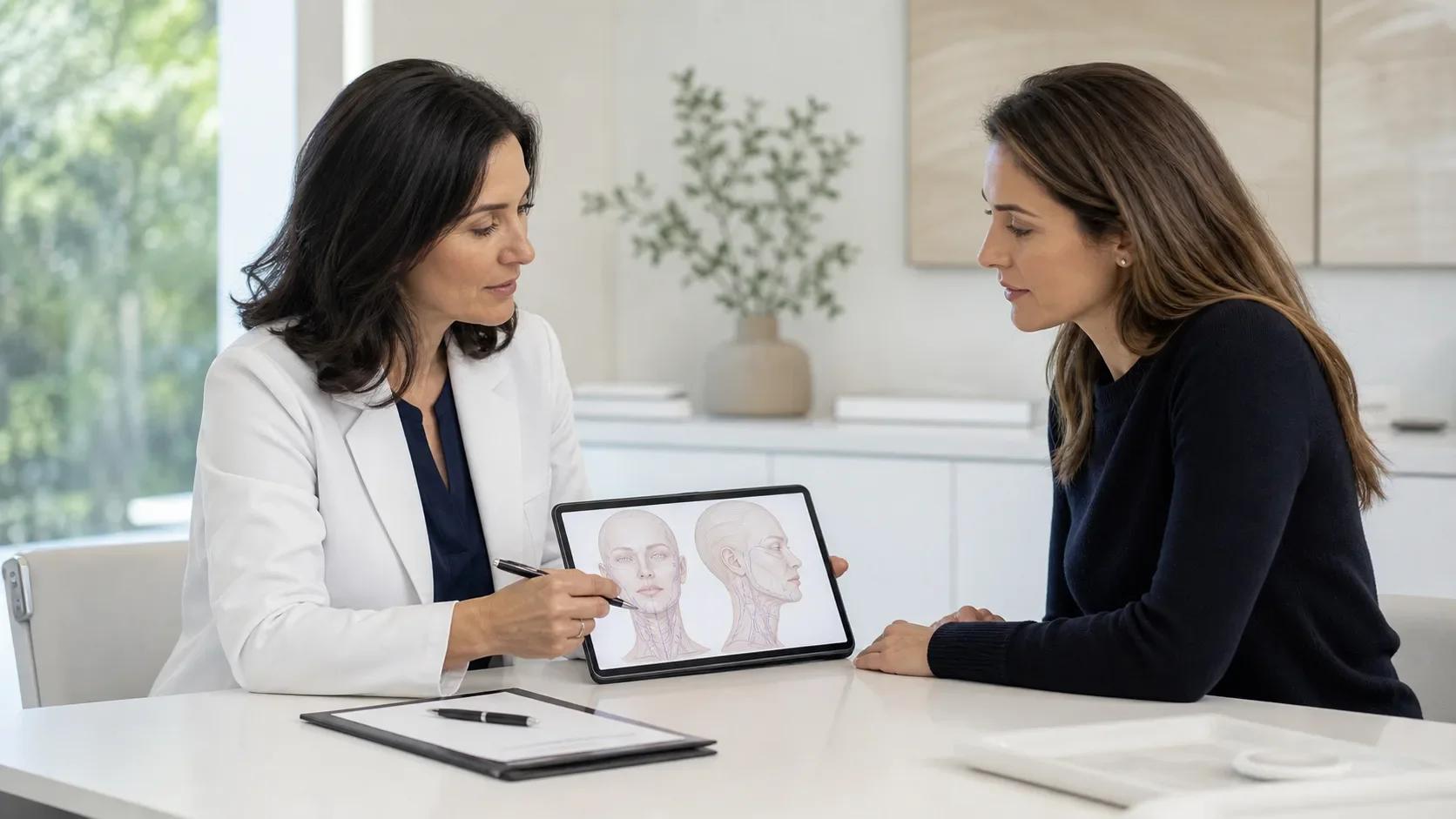
Start by choosing a qualified medical professional who reviews your health history and explains the expected results and possible side effects. Share any previous cosmetic treatments, medications, allergies, and concerns before injections.
After treatment, follow the specific aftercare instructions you receive. Avoid rubbing the injection sites, and ask your provider when to resume strenuous exercise or other activities if you are unsure.
Give the treatment enough time to work. Taking a photo before treatment and another around two weeks later, using similar lighting and facial expressions, may help you compare changes more fairly. Avoid judging your result from a single photograph taken under different lighting.
If you develop unexpected symptoms or are concerned about your results, contact your provider. Seek urgent medical attention if you experience difficulty breathing, swallowing, or speaking after Botox.
When Should You Contact Your Provider?
Not seeing a difference after a few days is not usually a reason to panic. Botox often takes time to produce its full effect, and your provider may recommend waiting around two weeks before reviewing the outcome.
Contact the clinic if you have concerns about significant asymmetry, a drooping eyelid, persistent eye discomfort, or symptoms that are getting worse. Your provider can assess whether the change is related to treatment and advise you on the next steps.
Difficulty breathing, swallowing, or speaking requires immediate medical attention. Do not wait for a routine follow-up if these symptoms occur.
Frequently Asked Questions
1. How soon will I see Botox results?
Some people notice early changes within a few days, with results often becoming more apparent during the first week. The full effect may take around two weeks.
2. Why does my face look the same the day after Botox?
Botox does not work instantly. It takes time to affect the targeted muscles, so it is common not to see a major change on the first day.
3. When should I judge my final Botox results?
Around two weeks is a common time to assess the full effect. If you are concerned about the outcome, arrange a review with your provider before considering additional treatment.
4. How long do Botox results last?
Cosmetic results commonly last about three to four months, although individual results vary by treatment area, dose, and personal response.
5. Can Botox remove all wrinkles?
No. Botox can soften certain expression lines caused by muscle movement, but it may not eliminate lines related to sun damage, skin texture, or facial volume changes.
Final Thoughts
Botox results develop gradually, so patience is an important part of the process. You may see subtle changes during the first few days, more noticeable improvement during the first week, and a clearer picture of the outcome around two weeks after treatment.
If you are considering Botox in Port St. Lucie, FL, choose a qualified provider, discuss your goals before treatment, and allow enough time for the results to develop. Realistic expectations and appropriate follow-up can help you understand what the treatment can—and cannot—do for your skin.