
Botox Candidacy: Skin, Health and Lifestyle Factors in Orlando, FL
Botox is a popular option for people who want to soften forehead lines, frown lines, and crow’s feet without surgery. However, it is not the right choice for everyone. If you are considering Botox in Orlando, FL, your skin concerns, general health, medications, and everyday habits can all play a role in determining whether treatment is suitable for you.
Some people are interested in Botox because their expression lines have become more noticeable over time. Others want a subtle change before a special event or prefer to address certain lines before they become deeper. Whatever your reason, a consultation with a qualified medical professional can help you understand what Botox may achieve, what its limitations are, and whether another approach would better suit your needs.
What Does It Mean to Be a Good Botox Candidate?
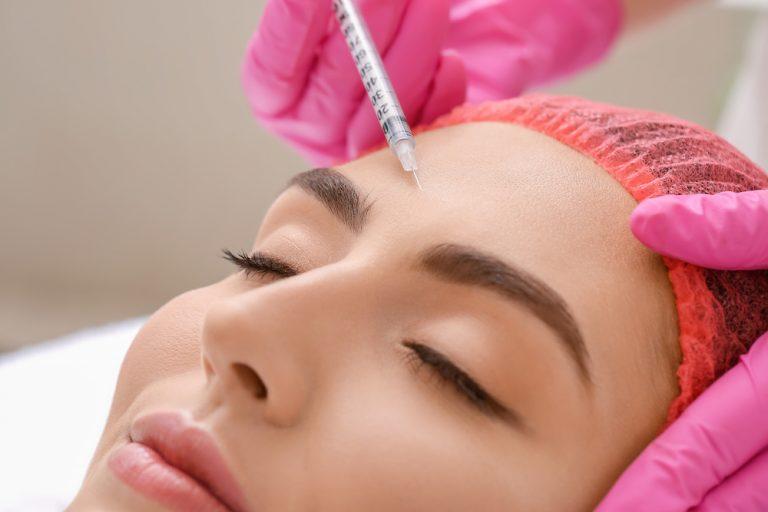
Botox is a prescription treatment that temporarily reduces activity in selected muscles. When those muscles move less forcefully, the lines created by repeated facial expressions may become softer.
Adults seeking to reduce certain expression lines may be suitable candidates, provided they have no medical reason to avoid treatment. A good candidate should also have realistic expectations and understand that Botox does not permanently remove wrinkles or stop the natural aging process.
The decision should not be based on age alone. Your facial anatomy, muscle movement, medical history, treatment goals, and preferences matter more than simply reaching a particular birthday.
How Your Skin Affects Botox Candidacy
Expression Lines Versus Lines Visible at Rest
Botox is generally most effective for dynamic wrinkles, which appear or deepen when you make facial expressions. Examples include forehead lines when raising your eyebrows, frown lines when concentrating, and crow’s feet when smiling.
Lines that remain visible even when your face is relaxed may not respond as fully to Botox alone. Depending on the concern, your provider may discuss skincare, other cosmetic treatments, or simply leaving the lines untreated.
A careful assessment helps set realistic expectations before you spend money on treatment.
Skin Texture, Sun Damage and Pigmentation
Botox changes muscle activity; it does not directly treat uneven skin tone, dark spots, sun damage, or rough skin texture. If these are your main concerns, a provider may discuss other options, such as suitable skincare products or selected skin treatments.
Orlando’s sunny climate also makes sun protection an important part of a skincare routine. Regular use of broad-spectrum sunscreen and protective clothing can help limit additional sun damage, although these measures do not replace a professional assessment of existing skin concerns.
Skin Sensitivity and Existing Conditions
Tell your provider if you have irritation, an infection, inflammation, or another active skin problem around the planned injection sites. Treatment may need to be delayed until the area has been assessed or healed.
If you have a history of unusual reactions to injections or cosmetic products, mention that during your consultation. Your provider can help determine whether Botox is appropriate and explain any additional precautions.
Health Factors That May Affect Botox Treatment
Your general health is an important part of the decision. Before treatment, the injector should review your medical history, current medications, supplements, allergies, and previous experiences with botulinum toxin products.
Neuromuscular Conditions
People with certain neuromuscular disorders, including myasthenia gravis and Lambert-Eaton syndrome, may have an increased risk of serious complications from botulinum toxin treatment. Make sure your provider knows about any diagnosed neurological or muscle-related condition before considering injections.
Pregnancy and Breastfeeding
Cosmetic Botox is generally postponed during pregnancy and often avoided during breastfeeding because safety information is limited. Discuss your circumstances with a qualified healthcare professional rather than assuming treatment is suitable.
Medications and Supplements
Some medications can affect muscle activity or interact with botulinum toxin treatment. Certain antibiotics and medicines that affect neuromuscular transmission may be particularly relevant. Blood-thinning medicines can also increase the likelihood of bruising around injection sites.
Give your provider a complete medication and supplement list. Do not stop prescribed medication on your own to prepare for Botox; ask the clinician responsible for your care what, if anything, should be adjusted.
Allergies and Previous Reactions
Tell your provider if you have had an allergic reaction to a botulinum toxin product or any of its ingredients. You should also disclose any previous difficulty swallowing, breathing problems, or other unusual effects following injections.
A responsible provider will review these details before deciding whether treatment should proceed.
Lifestyle Factors to Consider Before Botox
Sun Exposure and Outdoor Activities
Spending time outdoors does not automatically make you unsuitable for Botox. However, regular sun exposure can contribute to skin aging, and outdoor plans may affect how you schedule cosmetic appointments.
If you have a major outdoor event coming up, allow enough time for the results to develop and for any temporary bruising or swelling to settle. Follow the aftercare instructions provided by your injector.
Exercise and Daily Routines
Many people return to their usual activities soon after Botox. Your provider may recommend avoiding strenuous exercise for a period after treatment, depending on their instructions and your circumstances.
If your routine involves frequent workouts, competitive sports, or physically demanding work, mention it when planning your appointment. You can then arrange treatment at a convenient time without assuming that everyone needs the same restrictions.
Alcohol and Smoking
Alcohol may contribute to bruising in some circumstances, while smoking can affect overall skin health. Tell your provider about relevant habits and follow their preparation guidance. Avoid making medication changes or following strict preparation rules from social media without professional advice.
Upcoming Events and Travel
Botox results take time to develop, and minor bruising can occur. For a wedding, holiday, photo session, or other important event, discuss timing with your provider well in advance. A first treatment immediately before a major occasion leaves little time to assess the result or manage an unexpected reaction.
Who Should Avoid or Postpone Botox?
Botox may be unsuitable or require additional medical assessment in certain situations. These can include:
- A known allergy to the product or its ingredients.
- An infection at the intended injection site.
- Certain neuromuscular conditions.
- Pregnancy, when cosmetic treatment is generally postponed.
- A medical history or medication regimen that raises concerns about treatment safety.
This list is not exhaustive. Having a medical condition does not always mean Botox is permanently off-limits, but it does mean you should disclose it and receive appropriate guidance before treatment.
Botox also may not be the best option if your main goal is to restore facial volume, improve pigmentation, or treat significant skin laxity. Different concerns require different approaches.
How to Prepare for a Botox Consultation in Orlando
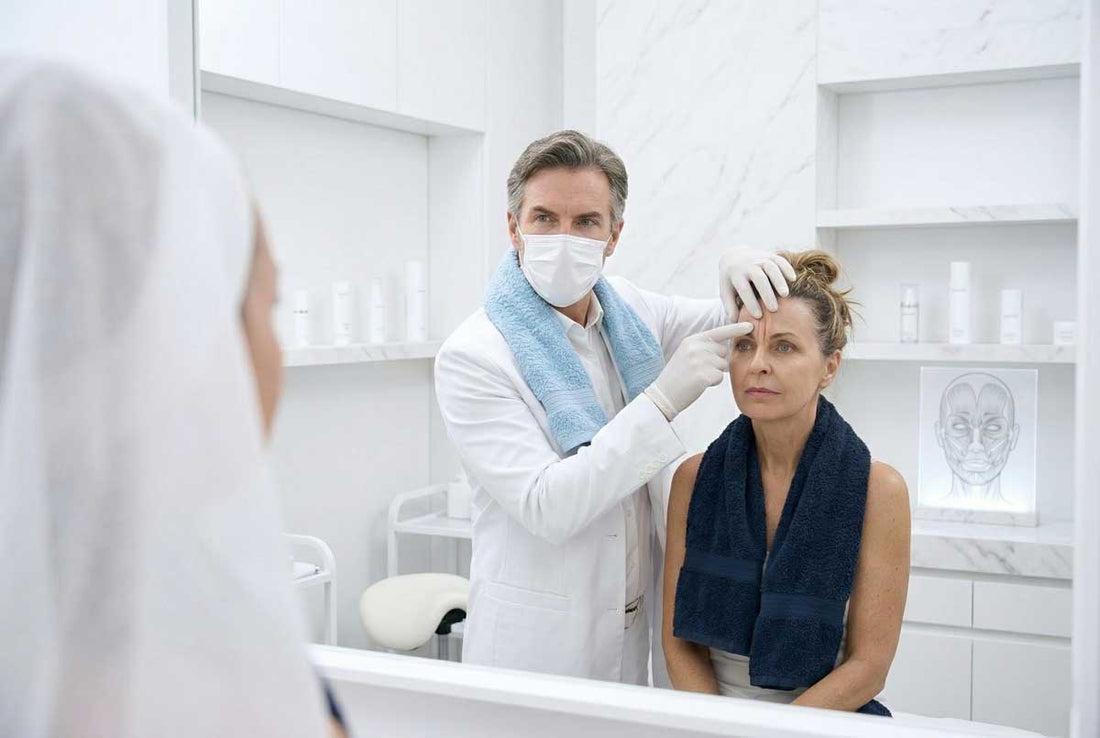
A useful consultation should feel like a conversation, not a sales appointment. The provider should ask what you want to change, examine how your facial muscles move, review your health history, and explain the likely benefits and limitations.
Before booking, consider asking:
- Am I a suitable candidate based on my skin concerns and medical history?
- Which areas would you recommend treating, and why?
- What product will be used, and who will perform the injections?
- What are the possible side effects and serious warning signs?
- How much will the treatment cost, including any follow-up appointment?
- When should I expect results, and how long might they last?
Choose an appropriately licensed and qualified medical professional with experience in cosmetic injections. Avoid clinics that promise perfect results, dismiss your medical concerns, or pressure you into treating areas you had not planned to address.
Frequently Asked Questions
1. What is the ideal age to start Botox?
There is no single ideal age. Suitability depends on your goals, facial muscle movement, health history, and whether the treatment is medically appropriate. Age alone does not determine candidacy.
2. Can people with sensitive skin get Botox?
Sensitive skin does not automatically rule out Botox, because the treatment works on muscle activity rather than the skin’s surface. However, active irritation or infection near the injection sites should be assessed before treatment.
3. Can I get Botox if I take medication?
Possibly, but your provider needs to review your medications and supplements first. Some medicines may affect the risk of side effects or interact with treatment. Never stop a prescribed medicine without guidance from the clinician responsible for your care.
4. Is Botox suitable during pregnancy?
Cosmetic Botox is generally postponed during pregnancy because safety information is limited. Discuss treatment timing with your healthcare professional.
5. Does Botox work on every type of wrinkle?
No. It is generally more effective for wrinkles caused by repeated muscle movement. Lines caused by volume loss, sun damage, or changes in skin texture may need a different approach.
Final Thoughts
Botox candidacy involves more than deciding whether you want fewer visible wrinkles. Your skin concerns, health history, medications, lifestyle, and expectations all help determine whether treatment is appropriate.
If you are considering Botox in Orlando, FL, arrange a consultation with a qualified provider who will review your individual circumstances and explain your options without pressure. The goal is not to treat every line, but to choose an approach that makes sense for your health, your preferences, and the results you hope to achieve.