After Lip Filler: Recovery and Skin-Care Basics in Davie, FL
Getting lip filler can be a small cosmetic change, but the days afterward are an important part of the experience. Your lips may look fuller than expected at first, feel tender, or develop some bruising. That can be surprising if you were expecting to see the final result immediately. In most cases, early swelling gradually improves, so it is best to give your lips time to settle rather than judging the outcome on the first day.
For people considering or recovering from lip filler in Davie, FL, simple aftercare, gentle skin care, and knowing when to contact a medical professional can help make the recovery period easier to manage.
What to Expect After Lip Filler
Swelling, redness, tenderness, and bruising are common after dermal filler injections. The amount varies from person to person and depends on factors such as the product used and the individual treatment.
Your lips may also look uneven during the early recovery period because swelling does not always affect both sides equally. This does not automatically mean the final result will be uneven. Avoid pressing, squeezing, or trying to reshape your lips yourself. If you are worried about a lump, significant asymmetry, or discomfort, contact the clinician who performed the treatment.
The lips can take several days to settle, and some common reactions may take one to two weeks to improve. Follow the timeline and instructions provided for your specific filler.
Keep Your Skin-Care Routine Gentle
After treatment, it is sensible to avoid irritating the area while the injection sites settle. Wash your face carefully, use lukewarm water, and avoid scrubbing around your mouth. Choose a mild cleanser and a simple, fragrance-free moisturizer if your skin tolerates it.
Do not apply exfoliating acids, retinoids, strong acne treatments, or harsh facial scrubs directly around the treated area until your provider says it is appropriate to resume them. Avoid picking at any small marks or scabs around the injection points.
Ask your provider when you can safely use lipstick, lip liner, and other makeup products. Applying products too soon may irritate the area or introduce bacteria around the injection sites. If your clinician gives you a specific aftercare routine, follow that advice rather than experimenting with new products.
Manage Swelling Carefully
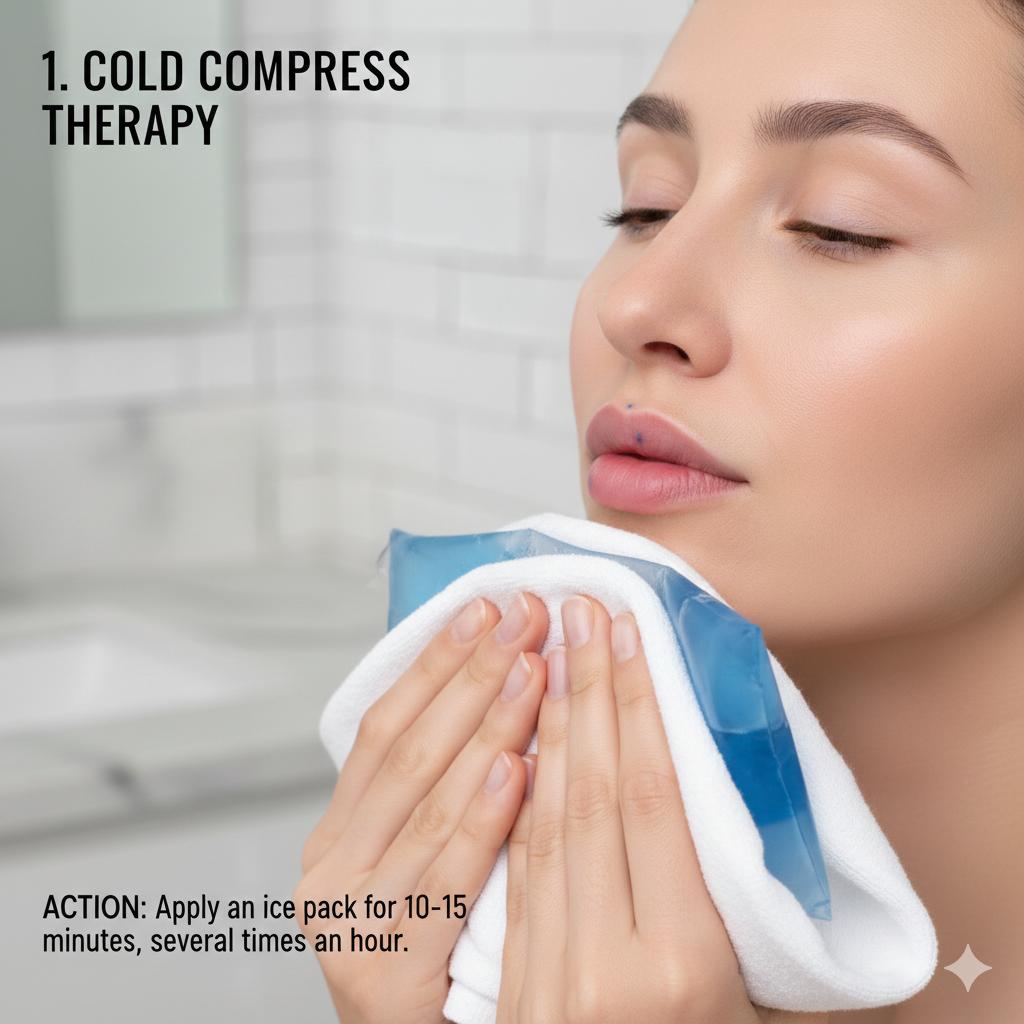
Your provider may recommend a cool compress to help with temporary swelling or discomfort. If advised, use a clean cloth around the cold pack and follow the clinician’s instructions about how long to apply it. Do not put ice directly against your skin or press firmly on your lips.
Try to keep your routine calm during the first day or so. Your provider may recommend temporarily avoiding strenuous exercise, excessive heat, saunas, or steam rooms because these can increase redness or swelling. Follow the instructions given for your treatment rather than relying on a one-size-fits-all timetable.
Do not massage your lips unless your treating clinician specifically instructs you to do so. Massage is not appropriate for every filler concern and can make matters worse if performed unnecessarily.
Be Careful With Sun and Heat
Davie and the wider South Florida area can have plenty of sunshine and warm weather throughout the year. While your lips are recovering, avoid excessive heat exposure if your provider recommends it, and do not let sun protection irritate the treated area.
Once your provider says it is appropriate, use a comfortable lip product with sun protection and reapply it as directed. A wide-brimmed hat can also help limit direct sun exposure. Avoid tanning beds and intense heat until you have received suitable guidance from your clinician.
If you spend time outdoors, remember that sunscreen and lip protection are useful parts of everyday skin care, but they do not replace the specific aftercare instructions for filler injections.
Stay Hydrated and Give Your Lips Time
Drink water as you normally would and maintain your usual balanced meals. There is no need to try special detox drinks, supplements, or home remedies to make filler settle faster. Avoid adding new products or supplements simply because they are advertised for recovery.
It is also helpful to be patient with photographs and comparisons. Early swelling can make the lips appear larger than the eventual result. If you take progress photos, use similar lighting and angles, and avoid making decisions based on changes seen from one hour to the next.
If you have concerns about the shape or feel of your lips, arrange a follow-up with your provider. Do not attempt to correct the result at home or seek additional injections before your clinician has assessed the area.
Know Which Symptoms Need Medical Attention
Most short-term reactions are mild, but serious filler complications can occur. Seek immediate medical attention if you notice unusual or severe pain, vision changes, or skin near the injection site that turns white, gray, or blue. These can be warning signs of a blood-vessel complication.
Contact your treating provider promptly if you develop worsening pain, increasing redness or warmth, drainage, fever, significant swelling, or a new concern that does not seem to be improving. If symptoms are severe or suggest an emergency, do not wait for a routine clinic callback.
Before leaving your appointment, make sure you know how to reach the clinic after hours and what symptoms they want you to report. A clear plan is part of responsible treatment.
When Can You Return to Your Usual Routine?
The timing depends on how your lips respond and the instructions you receive. Some people feel comfortable returning to everyday activities quickly, while visible swelling or bruising may take longer to fade. Makeup, vigorous exercise, facial treatments, dental procedures, and other activities may need individual guidance.
If you have a special event coming up, let your provider know. They can explain the usual recovery pattern, but no one can guarantee an exact date when all swelling or bruising will be gone.
A follow-up appointment is a useful opportunity to discuss your result once the early swelling has improved. If something feels wrong before then, contact your provider rather than waiting for the scheduled visit.
Frequently Asked Questions
1. How long does swelling last after lip filler?
Swelling varies by person and treatment. It often improves over several days, although some common reactions can take one to two weeks to settle. Contact your provider if swelling is severe, worsening, or concerning.
2. Can I wear lipstick after lip filler?
Ask your provider when it is safe to apply lipstick or other makeup around the treated area. Keeping products away from fresh injection sites at first can help reduce irritation and contamination risk.
3. Should I massage my lips to make the filler even?
No—not unless your treating clinician specifically tells you to. Unnecessary pressure or massage can irritate the area, and not every lump or uneven appearance should be handled the same way.
4. Can I exercise after getting lip filler?
Your provider may advise avoiding strenuous exercise for a short period because it can increase swelling or bruising. Follow the personalized instructions for your treatment and ask when you can resume your normal workout.
5. What is an emergency warning sign after lip filler?
Unusual or severe pain, changes in vision, or skin near the injection site that becomes white, gray, or blue require immediate medical attention. Worsening redness, warmth, drainage, or fever also warrant prompt medical assessment.
Final Thoughts
Recovery after lip filler is usually about keeping things simple: follow your provider’s instructions, use gentle skin care, avoid unnecessary pressure on your lips, and give temporary swelling time to improve. It is just as important to recognize symptoms that need medical attention as it is to know which everyday activities to pause.
If you have had lip filler in Davie, FL, or are planning a treatment, ask your qualified provider for product-specific aftercare instructions and a clear follow-up plan. A careful approach can help you navigate recovery with more confidence and fewer surprises.