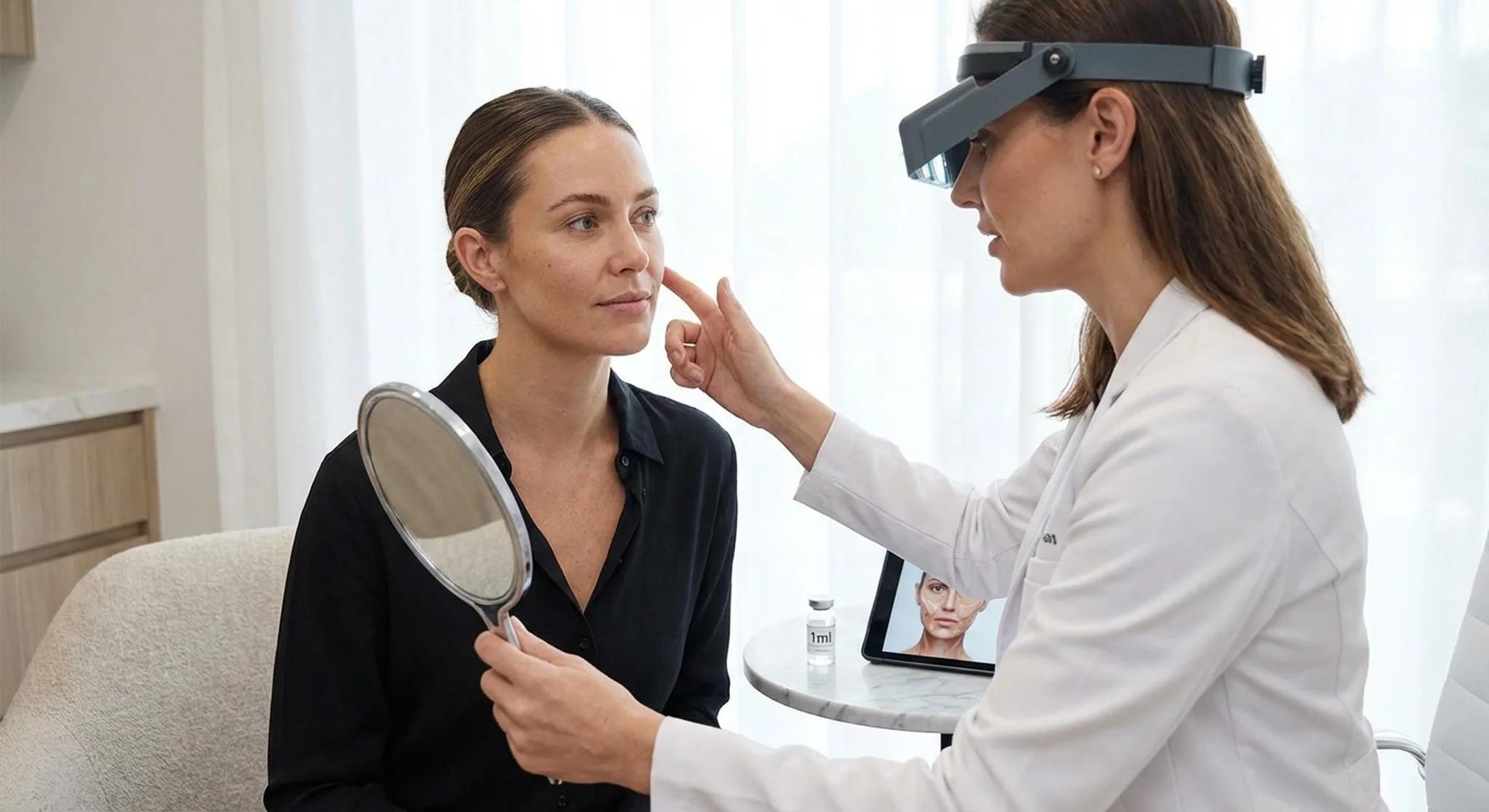

Lip Filler Safety Guide: Side Effects and Red Flags in Wellington, FL
Lip filler can add volume, improve definition, and help create a more balanced lip shape. But before choosing treatment in Wellington, FL, it is important to understand the possible side effects and know which symptoms should never be ignored. Although many people experience only temporary swelling or bruising, dermal fillers are medical products and can sometimes cause serious complications.
A good safety plan starts before the appointment. Choose a qualified medical professional, discuss your health history, understand the product being used, and make sure you know how to get help if something does not feel right afterward.
Common Side Effects After Lip Filler
Some swelling, tenderness, redness, and bruising around the lips can occur after injections. The area may also feel sensitive, and the lips can look fuller than expected while swelling settles.
These effects often improve over several days, although recovery differs from person to person. The amount of swelling or bruising can depend on the filler, the injection process, and individual factors.
Keep an eye on how symptoms change. Mild discomfort that gradually improves is different from pain that becomes severe or continues to worsen. If you are uncertain whether a reaction is normal, contact your treating provider instead of trying to diagnose it yourself.
Red Flags You Should Never Ignore
Rarely, filler can enter a blood vessel and interfere with blood flow. This is a serious complication because it can damage tissue and, in some cases, affect vision.
Seek immediate medical attention if you experience:
- Unusual or severe pain during or after treatment.
- Skin near the injection site that becomes white, gray, or blue.
- Any change in vision, including blurred vision or loss of vision.
- Sudden symptoms that could suggest a stroke, such as weakness on one side of the body, difficulty speaking, or sudden confusion.
Do not wait to see whether these symptoms improve on their own, and do not rely on a routine follow-up appointment. Tell emergency personnel that you recently received dermal filler.
Watch for Signs of Infection or a Delayed Reaction
Not every complication happens immediately. Increasing redness, warmth, worsening swelling, fever, drainage, or an open sore near the injection site may require prompt medical assessment. New or persistent lumps, rashes, or swelling that develops later should also be discussed with a healthcare professional.
Some reactions can appear weeks, months, or even longer after an injection. If a new symptom develops around the treated area, mention your filler history when seeking medical care, even if the original treatment seemed to heal normally.
Avoid squeezing lumps, attempting to drain a sore, or massaging the area unless your clinician specifically advises you to. The correct response depends on the cause of the problem.
Choose a Qualified Provider Before Treatment
Safety begins with the person performing the injection. Look for a properly licensed healthcare professional with appropriate training in dermal fillers, facial anatomy, and the recognition and management of complications.
During your consultation, ask:
- Which filler product will be used, and is it approved for the intended use?
- What are the common and serious risks?
- What should I do if I experience a concerning symptom after treatment?
- How can I contact the provider after hours?
- What is the clinic’s plan for responding to a suspected vascular complication?
A responsible provider should explain the benefits and limitations of treatment, review your medical history, answer questions, and obtain informed consent. Be cautious if someone dismisses your concerns, pressures you to proceed, or cannot clearly explain the product being injected.
Avoid do-it-yourself fillers, needle-free injection pens, and products purchased directly online. These can pose serious risks.
Share Your Health History Honestly
Before receiving lip filler, tell your provider about allergies, bleeding disorders, previous filler treatments, medications, supplements, and any history of cold sores. Mention current illness, skin irritation, or infection around your mouth as well.
Do not stop prescribed medication to reduce bruising unless the clinician responsible for your care tells you to. Some health conditions or allergies may affect whether a particular product is appropriate, so a complete history helps the provider assess your suitability and plan treatment.
If you have had filler elsewhere, share what product was used and when, if you know. Previous treatments can affect the evaluation of your lips and the options available for future care.
Follow Aftercare Instructions and Keep Your Follow-Up Plan
After treatment, follow the instructions provided by your clinician. Avoid unnecessary pressure or massage, and do not attempt to correct unevenness or lumps yourself. Your provider may give specific guidance about exercise, heat exposure, skin care, and when to resume makeup.
Take note of any symptoms and when they started. If you contact the clinic with a concern, explain whether it is improving, staying the same, or getting worse. If symptoms suggest a medical emergency, seek immediate care rather than waiting for the clinic to respond.
A follow-up visit can help you discuss the result after the initial swelling has settled. However, serious warning signs should be evaluated immediately, not saved for that appointment.
What to Do If Something Feels Wrong
It is normal to have questions after a cosmetic procedure, and you do not need to feel embarrassed about contacting your provider. If you are worried about pain, swelling, discoloration, or an unexpected change, explain what you are experiencing and ask for guidance.
For severe pain, skin that becomes white, gray, or blue, vision changes, or possible stroke symptoms, seek emergency medical attention immediately. Do not attempt home treatment or wait for a social media reply.
Knowing where to turn for help is part of making an informed decision about lip filler in Wellington, FL.
Frequently Asked Questions
1. Is swelling normal after lip filler?
Yes, swelling can be a common short-term side effect, along with bruising, redness, and tenderness. It should generally improve over time. Severe or worsening symptoms need medical assessment.
2. How can I tell if lip filler has caused a serious problem?
Unusual or severe pain, white, gray, or blue skin near the injection site, and any vision changes are urgent warning signs. Seek immediate medical attention rather than waiting for symptoms to pass.
3. Can filler complications appear days or weeks later?
Yes. Some complications, including infection, inflammation, lumps, or allergic reactions, may develop after the initial recovery period. Contact a healthcare professional about new or persistent symptoms.
4. Should I massage a lump after lip filler?
Do not massage or squeeze it unless your treating clinician specifically recommends that action. A lump can have different causes, and the appropriate response depends on an assessment.
5. How do I choose a safer lip filler provider in Wellington, FL?
Check the provider’s license, relevant training, experience with fillers, and ability to recognize and respond to complications. Ask about the product, risks, after-hours contact, and emergency procedures before agreeing to treatment.
Final Thoughts
Lip filler safety involves more than choosing a desired shape or volume. It means understanding common side effects, recognizing serious warning signs, sharing your health history, and choosing a qualified professional who takes complications seriously.
If you are considering lip filler in Wellington, FL, use your consultation to ask questions and understand the treatment before proceeding. If you have already received filler and notice unusual or severe pain, skin discoloration, or vision changes, seek immediate medical attention. Your safety should always come before the cosmetic result.