Understanding Botox Risks and Possible Complications in Hialeah, FL
Botox is widely used to soften certain facial lines, but that does not mean every treatment is risk-free. If you are considering Botox in Hialeah, FL, it is worth understanding the possible side effects, less common complications, and precautions to discuss with your provider before booking an appointment.
Most people experience little downtime after cosmetic Botox, and some may notice only temporary redness, tenderness, swelling, or bruising around the injection sites. However, the treatment affects muscle activity, and unwanted effects can occur if nearby muscles are affected or the product spreads beyond the intended area. Knowing what is normal and what needs medical attention can help you make a more informed decision.
How Does Botox Work?
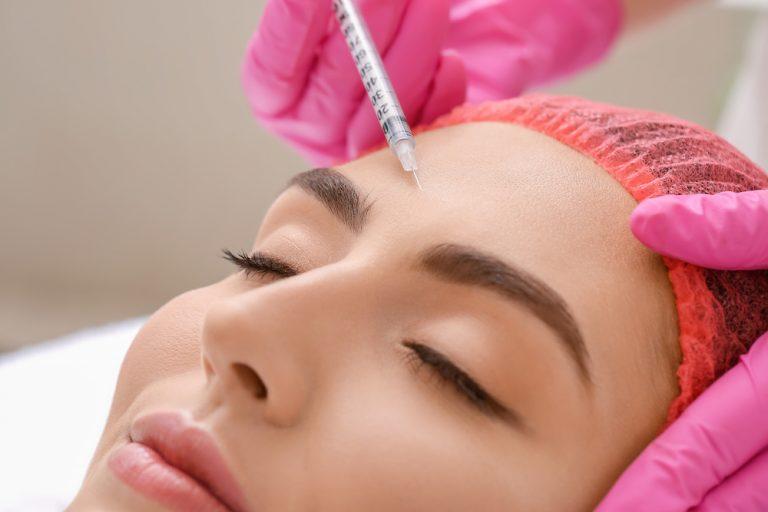
Botox is a brand of botulinum toxin type A. It works by temporarily blocking signals between nerves and targeted muscles, reducing muscle contraction in the treated area. Cosmetic providers commonly use it to soften frown lines, forehead lines, and crow’s feet.
The effect is temporary, so results gradually wear off over time. The treatment is not suitable for everyone, and the appropriate dose and injection locations depend on the individual’s facial anatomy, treatment goals, and medical history.
A consultation should include a discussion of expected benefits, possible risks, and alternatives. You should have the opportunity to ask questions before deciding whether to proceed.
Common Side Effects After Botox
Redness, Swelling, and Tenderness
Small red marks, mild swelling, or tenderness can appear where the injections were given. These effects are usually temporary and often settle without special treatment.
Keep the area clean and follow the aftercare instructions provided by your clinician. Avoid rubbing or massaging the injection sites unless your provider specifically advises otherwise. If swelling or pain becomes worse instead of improving, contact the clinic for guidance.
Bruising at the Injection Site
Bruising can occur when a small blood vessel is affected by the needle. The likelihood may vary depending on the injection location, individual factors, and certain medications or supplements.
Tell your provider about all medicines, vitamins, and supplements you take. Do not stop a prescribed medicine to reduce bruising unless the clinician responsible for your care advises you to do so.
Headache or Flu-Like Symptoms
Some people report a headache or general discomfort after treatment. These symptoms may be mild and short-lived, but they should not automatically be attributed to Botox if they are severe, persistent, or accompanied by other unusual symptoms.
Contact your healthcare provider if you are concerned about how you feel after treatment.
Possible Botox Complications
Drooping Eyelid or Eyebrow
One of the complications people often ask about is eyelid or eyebrow drooping. This can happen if nearby muscles are affected by the treatment. It may change the appearance of the eyes and can be frustrating while the effect lasts.
Discuss previous eyelid problems, facial asymmetry, and any history of eye-related conditions during your consultation. If you notice new eyelid drooping after treatment, contact your injector or healthcare provider for an assessment.
An Uneven or Unnatural Appearance
Botox can sometimes produce an uneven result, particularly when muscle activity differs between sides of the face or the treatment does not produce the expected effect. Some people may feel that their forehead looks too still or that their usual expressions have changed.
A careful facial assessment and a treatment plan suited to your anatomy can help manage expectations. If the result looks uneven, avoid trying to correct it yourself or rushing into additional injections. Ask your provider to assess the outcome after the product has had enough time to take effect.
Dry Eyes or Other Eye-Related Symptoms
Treatment around the eyes may be associated with eye-related effects, depending on the injection area and individual circumstances. Some people may notice dryness or discomfort, while others may experience eyelid-related changes.
Report persistent eye irritation, new visual symptoms, or difficulty closing an eyelid to a medical professional. Sudden or significant vision changes need prompt medical evaluation.
Muscle Weakness Beyond the Intended Area
Although cosmetic Botox is intended to affect selected muscles, unwanted effects can occur beyond the injection site. Unusual or generalized muscle weakness should not be ignored, particularly if it is accompanied by problems with swallowing, speaking, or breathing.
Seek emergency medical attention immediately if you develop difficulty breathing, swallowing, or speaking after Botox. These symptoms can be serious and may occur hours to weeks after treatment.
Who Should Take Extra Precautions?
Botox may not be appropriate for everyone. Before treatment, tell your provider if you have a neuromuscular condition, a history of swallowing or breathing difficulties, an allergy to a botulinum toxin product, or a previous reaction to treatment.
You should also disclose any infection or skin problem near the intended injection site. Your clinician can decide whether treatment should be delayed or avoided.
If you are pregnant, planning a pregnancy, or breastfeeding, discuss this with your healthcare professional. Cosmetic use during pregnancy and breastfeeding has limited safety information, so your provider can explain the relevant precautions.
Your complete medication list is important, too. Certain medicines can affect neuromuscular activity or increase the risk of complications. Never conceal a medical condition or change prescribed treatment without medical advice.
How to Reduce the Risk of Botox Complications
There is no way to guarantee that side effects will never occur, but thoughtful provider selection and a proper medical assessment are important steps.
- Choose a qualified medical professional. Check relevant credentials and experience with cosmetic injections.
- Share your medical history. Include allergies, previous reactions, health conditions, and all medicines or supplements.
- Ask which product will be used. Make sure the provider can identify the product and explain the treatment plan.
- Understand the dose and injection areas. Ask why the recommended approach suits your concerns.
- Follow your aftercare instructions. Avoid rubbing the treated areas and follow your provider’s guidance on returning to strenuous activities.
- Know whom to contact. Before leaving, ask how to reach the clinic if you notice an unexpected symptom.
Be cautious of unusually low prices, unclear product information, or providers who promise guaranteed results. Injections should be administered by an appropriately qualified professional in a suitable clinical setting.
What Should You Do If Something Feels Wrong?
Not every side effect is an emergency, but it is important to pay attention to changes after treatment. Mild bruising or tenderness may improve on its own. Symptoms that are worsening, persistent, or unexpected deserve a call to your provider.
Contact a healthcare professional if you experience new eyelid drooping, significant asymmetry, ongoing eye discomfort, or other concerning changes. Do not try to correct an unwanted result by massaging the area or arranging additional injections without a proper assessment.
If you develop difficulty breathing, swallowing, or speaking, or severe generalized weakness, seek emergency medical care immediately rather than waiting for a clinic callback.
Frequently Asked Questions
1. Is Botox safe for everyone?
No. Botox is not appropriate for every person or every situation. Your medical history, allergies, medications, treatment area, and individual risk factors should be reviewed before treatment.
2. What are the most common side effects of Botox?
Possible side effects include temporary redness, swelling, tenderness, bruising, and headache. The type and duration of symptoms vary from person to person.
3. Can Botox cause a drooping eyelid?
Yes. Eyelid or eyebrow drooping can occur when nearby muscles are affected. Contact your provider if this happens so they can assess the problem and advise you on next steps.
4. When should I seek emergency care after Botox?
Seek emergency medical attention if you experience difficulty breathing, swallowing, or speaking, or develop severe generalized weakness. Do not wait for these symptoms to resolve on their own.
5. How can I lower my risk of complications?
Choose a qualified provider, disclose your full medical history, ask about the product and treatment plan, and follow the aftercare instructions you receive. These steps can help you make a more informed decision, although they cannot eliminate every risk.
Final Thoughts
Botox can be a useful option for softening certain expression lines, but understanding the risks is just as important as knowing the potential benefits. Temporary bruising or tenderness may occur, while complications such as eyelid drooping or unwanted muscle effects are also possible.
If you are considering Botox in Hialeah, FL, take time to discuss your health history, medications, treatment goals, and concerns with a qualified medical professional. A responsible provider should explain both the benefits and the limitations without pressuring you to proceed. Knowing what to expect—and when to seek help—can make your treatment decision more informed.