Body Contouring in Tampa: Non-Surgical Options Compared
Body contouring has become an option for people who want to address stubborn areas of fat or improve the appearance of their body without undergoing surgery. If you are researching Body Contouring in Tampa, you will find several non-surgical treatments that use different technologies to target fat cells, tighten skin, or improve the appearance of certain areas. The right choice depends on your goals, the area you want to treat, your skin condition, and how much time you can allow for results to develop.
One important thing to understand is that non-surgical body contouring is not a replacement for weight loss. These treatments are generally designed for specific areas that remain resistant to diet and exercise. Results also vary, and some people need multiple sessions to see a noticeable difference. Comparing the available options before scheduling a consultation can help you make a more informed decision.
What Is Non-Surgical Body Contouring?
Non-surgical body contouring uses devices or other treatments to change the appearance of selected body areas without incisions or traditional surgery. Depending on the technology, a treatment may target fat cells, use heat or cooling, stimulate muscle contractions, or help improve skin firmness.
Common treatment areas include the abdomen, flanks, thighs, upper arms, and the area beneath the chin. Not every device is suitable for every body area, so a provider should assess your goals before recommending a treatment.
These procedures usually involve less downtime than surgery, but that does not mean they are risk-free. Temporary soreness, swelling, redness, bruising, or discomfort can occur. Certain technologies also have specific risks that should be explained before treatment.
Popular Non-Surgical Body Contouring Options in Tampa
1. Cryolipolysis (Fat Freezing)
Cryolipolysis uses controlled cooling to target fat cells in selected areas. The treated cells are gradually processed by the body over the following weeks and months.
Fat freezing is often considered for localized fat around the abdomen, flanks, or other areas that can be safely fitted into the device’s applicator. It does not produce immediate results, and more than one treatment may be recommended depending on the area and desired change.
Some people experience redness, swelling, bruising, tenderness, or temporary numbness. A rare but important complication called paradoxical adipose hyperplasia can cause the treated area to enlarge rather than shrink. Ask the provider to explain this risk and whether you are a suitable candidate.
2. Radiofrequency Body Contouring
Radiofrequency treatments deliver energy that heats tissue. Depending on the specific device, they may be used to improve the appearance of skin laxity, support modest contouring, or address selected areas of localized fat.
These treatments may appeal to people who are concerned about mild skin looseness as well as body shape. However, results differ by device, and not every radiofrequency treatment is designed to reduce fat.
Possible side effects include temporary redness, swelling, discomfort, and burns if treatment is not performed correctly. Ask which device will be used, what it is cleared or intended to treat, and what results are realistic for your body.
3. High-Intensity Focused Electromagnetic Treatments
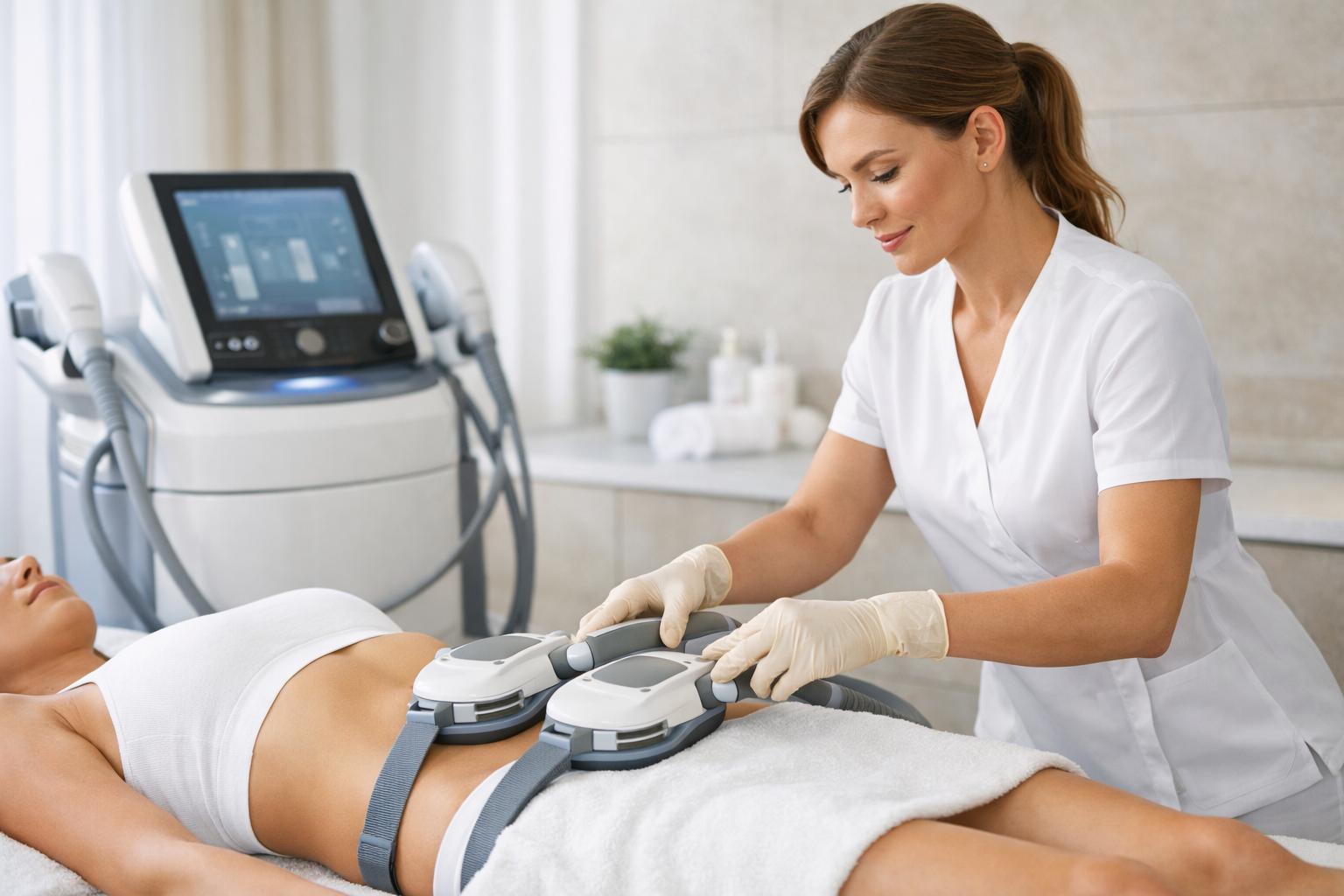
Some body contouring devices use electromagnetic energy to produce strong muscle contractions. They are commonly marketed for areas such as the abdomen and buttocks, with the goal of improving muscle definition or appearance.
These treatments are different from fat-freezing procedures. Their main focus may be muscle stimulation rather than simply reducing a layer of fat. The degree of visible change varies, and treatment plans often involve several appointments.
Before booking, ask whether the device is appropriate for your medical history and whether its claims are supported for the specific outcome you want. Temporary muscle soreness or discomfort may occur.
4. Ultrasound-Based Body Contouring
Certain ultrasound technologies deliver energy into targeted tissue and may be used for localized fat reduction or other contouring goals, depending on the device.
Treatment time, comfort, expected results, and the number of sessions can vary considerably. Ultrasound-based procedures should not be treated as interchangeable because different devices use different energy levels and methods.
Ask the provider to identify the exact technology and explain its expected benefits, limitations, and possible side effects. Be cautious of claims promising major weight loss or dramatic changes after a single session.
5. Non-Surgical Skin Tightening
Some people are less concerned about excess fat and more concerned about skin that looks loose after weight changes or aging. Depending on the area and degree of laxity, non-surgical skin-tightening treatments may be worth discussing.
Radiofrequency and other energy-based methods are used in some skin-tightening procedures. Improvement is generally more modest than what surgery can achieve, particularly when there is a significant amount of loose skin.
A consultation can help determine whether a non-surgical approach is realistic or whether another option would better match your goals.
Comparing Non-Surgical Body Contouring Treatments
The table below gives a general overview. The exact benefits and recovery experience depend on the device, treatment area, and individual circumstances.
| Treatment | Main focus | When results may appear | Key consideration |
|---|---|---|---|
| Cryolipolysis | Localized fat reduction | Gradually over weeks to months | Rare risk of paradoxical fat enlargement |
| Radiofrequency | Depends on device; may target skin firmness or fat | Gradually, often over multiple sessions | Device-specific heat-related risks |
| Electromagnetic muscle stimulation | Muscle appearance and definition | Usually assessed after a treatment course | Not the same as a fat-reduction treatment |
| Ultrasound-based treatment | Device-dependent contouring | Gradually over weeks or months | Different ultrasound technologies have different uses |
| Non-surgical skin tightening | Mild skin laxity | Gradually, depending on treatment | Less effective for substantial loose skin |
No option is best for everyone. A provider should recommend a treatment based on your anatomy and goals rather than simply promoting the newest or most expensive device.
How Much Does Body Contouring Cost in Tampa?
The cost of body contouring in Tampa varies according to the technology, treatment area, number of sessions, provider, and whether a clinic sells individual appointments or treatment packages.
As a broad budgeting guide, some non-surgical treatments may cost a few hundred dollars per session, while more extensive device-based treatments or multi-session plans can total several thousand dollars. These are general estimates rather than verified prices from a specific Tampa clinic.
Before paying for a package, ask for a written breakdown that covers the number of sessions, which body areas are included, any consultation fees, expected maintenance, and what happens if you do not respond as expected. Also confirm whether the advertised price is per session or for the entire treatment course.
It is worth comparing the total expected cost rather than choosing a clinic based on a discounted starting price. A lower-cost treatment may not be the best value if it is unsuitable for your goals.
Who Is a Good Candidate?
Non-surgical body contouring is generally intended for people who are near a stable weight and want to address specific areas rather than achieve major weight loss. It may be worth considering if a localized area remains noticeable despite consistent exercise and healthy habits.
It may not be appropriate for someone seeking substantial weight reduction or treatment for extensive loose skin. Certain medical conditions, implanted devices, skin problems, or other health factors can also affect whether a particular procedure is suitable.
Be open with your provider about your medical history, medications, previous procedures, and expectations. A responsible clinic should explain when a treatment is unlikely to help and should not guarantee a particular result.
What to Expect Before and After Treatment
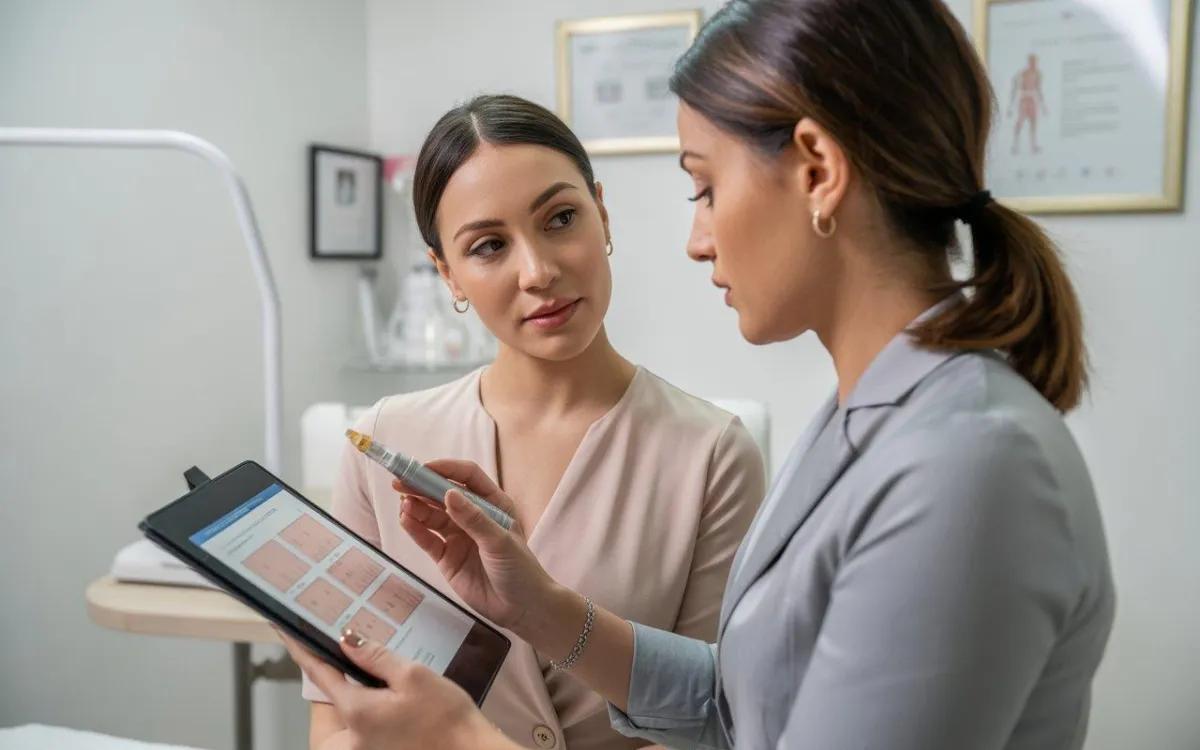
Your appointment should begin with a consultation about your goals, the area being treated, your medical history, and the available options. The provider should explain how the device works, its known risks, the likely number of sessions, and when results can reasonably be assessed.
Depending on the procedure, you may be able to return to routine activities shortly afterward. Temporary soreness, swelling, redness, bruising, or tenderness may still occur. Follow the clinic’s instructions and contact the provider if you experience severe, worsening, or unexpected symptoms.
Take any recommended follow-up appointments seriously. Results can develop gradually, so comparing photographs taken under similar conditions may be more useful than checking your appearance every day. Maintaining a stable weight can also help preserve your overall body shape.
How to Choose a Body Contouring Clinic in Tampa
Choosing a clinic involves more than looking at promotional photographs. Start by checking the provider’s qualifications, experience with the specific technology, and willingness to discuss both benefits and risks.
During a consultation, ask these questions:
- What exact device or treatment will you use?
- Is it intended for fat reduction, muscle stimulation, skin tightening, or another goal?
- What results are realistic for my body and treatment area?
- How many sessions will I likely need, and what will the full plan cost?
- What side effects or complications should I know about?
- Who will perform the treatment, and who should I contact if a problem develops?
Be cautious of guaranteed results, claims of dramatic weight loss without lifestyle changes, or pressure to purchase a large package immediately. A trustworthy provider should give you time to consider your options.
Frequently Asked Questions
1. What is the best non-surgical body contouring treatment in Tampa?
There is no single best treatment for everyone. Fat freezing may suit certain localized fat deposits, while some radiofrequency treatments focus on skin firmness and electromagnetic treatments focus on muscle appearance. The best option depends on your goals and health history.
2. How much does non-surgical body contouring cost in Tampa?
Some treatments cost a few hundred dollars per session, while a multi-session plan may total several thousand dollars. The exact price depends on the technology, treatment area, number of appointments, and provider.
3. Are non-surgical body contouring results permanent?
Some treatments destroy or reduce targeted fat cells, but remaining fat cells can still enlarge with weight gain. Results vary by procedure, and ongoing weight stability is important. Muscle-focused and skin-tightening treatments may have different maintenance needs.
4. Does body contouring help with weight loss?
No. Non-surgical body contouring is generally intended to change the appearance of specific areas, not to treat obesity or produce substantial weight loss. It should not replace a medically appropriate weight-management plan.
5. Is there downtime after body contouring?
Many non-surgical procedures involve little interruption to daily activities, but temporary soreness, redness, swelling, bruising, or numbness can occur. Recovery depends on the specific technology and your individual response.
Final Thoughts
Non-surgical body contouring offers several approaches for people who want to refine particular areas without undergoing surgery. Fat freezing, radiofrequency, ultrasound-based treatments, electromagnetic muscle stimulation, and skin-tightening procedures all work differently, so comparing them carefully is more useful than choosing based on a catchy name or a discount.
If you are considering body contouring in Tampa, begin with a qualified provider who can assess your goals, explain the limitations, and discuss the risks of the exact device being proposed. A realistic treatment plan, clear pricing, and sensible expectations will help you decide whether a non-surgical option is right for you.