Microneedling in Tampa: Treatment Options and Aftercare
Microneedling is a popular skin treatment for people who want to improve uneven texture, soften the appearance of acne scars, or address fine lines. In Tampa, you can find microneedling services at medical spas, dermatology practices, and cosmetic clinics. The treatment may look simple, but the type of device, the depth of treatment, and the person performing it all influence the experience and the results.
If you are considering microneedling, it helps to understand the different treatment options, what happens during an appointment, and how to care for your skin afterward. Choosing the right provider and following aftercare instructions can make a meaningful difference in your recovery.
How Much Does Microneedling Cost in Tampa?
The cost of microneedling in Tampa depends on the device used, the size of the treatment area, the provider’s experience, and whether additional treatments are included. As a general budgeting estimate, a standard facial microneedling session may cost around $200 to $400, while treatments that include radiofrequency or other add-ons can cost more.
| Treatment option | Approximate cost per session |
|---|---|
| Standard microneedling | $200–$400 |
| Microneedling with a customized skincare add-on | $250–$500 |
| Radiofrequency microneedling | $500–$1,000+ |
These figures are general estimates, not verified prices for every Tampa clinic. Ask for a personalized quote and confirm exactly what is included before booking.
What Affects the Price?
Treatment area: Treating the full face may cost more than treating a smaller area, such as a limited acne-scar region.
Type of device: Traditional microneedling and radiofrequency microneedling use different technologies, so their prices can vary considerably.
Number of sessions: Skin concerns often require a series of treatments rather than a single appointment. Your provider should explain the likely number of sessions and the total estimated cost.
Provider experience: Training and experience matter because microneedling creates controlled punctures in the skin. The treatment needs to be selected and performed appropriately for your skin and concerns.
Additional services: Some clinics offer serums, growth-factor products, or other add-ons. Ask what is being applied, whether it is suitable for use with microneedling, and whether the extra cost is necessary for your treatment plan.
What Is Microneedling?
Microneedling uses a device with fine needles to create controlled, tiny punctures in the skin. These small injuries trigger the skin’s natural repair process and can encourage collagen production over time.
The treatment is commonly used to improve the appearance of acne scars, uneven texture, enlarged-looking pores, and fine lines. Results develop gradually, so the skin may continue to change for weeks after an appointment.
Microneedling is not the same as using a home derma roller. Professional treatments can involve different needle depths and devices, and they require appropriate hygiene, training, and skin assessment. At-home devices should not be used to reproduce deeper professional procedures.
Microneedling Treatment Options in Tampa
Not every microneedling treatment works in the same way. The best option depends on your skin, the concern you want to address, your tolerance for downtime, and the provider’s assessment.
1. Traditional Microneedling
Traditional microneedling uses fine needles to create controlled punctures in the skin. It may be considered for uneven texture, mild acne scarring, and fine lines.
After treatment, the skin can look red and feel warm, much like a mild sunburn. Some people need only a short recovery period, while others experience redness and sensitivity for several days.
2. Radiofrequency Microneedling
Radiofrequency (RF) microneedling combines tiny needle punctures with radiofrequency energy delivered into the skin. It is used for concerns such as skin texture, certain acne scars, and the appearance of mild skin laxity.
RF microneedling is a different procedure from standard microneedling and may involve more discomfort, a higher cost, and a different recovery process. It is not suitable for everyone, so ask the provider to explain the device, expected benefits, risks, and alternatives.
3. Microneedling for Acne Scars
Microneedling may help improve the appearance of some depressed acne scars by stimulating collagen remodeling. The amount of improvement depends on the type and depth of scarring, the treatment method, and individual healing.
Deep or tethered scars may need a different approach or a combination of procedures. Active acne, inflamed skin, or certain infections may mean treatment should be delayed. A qualified provider can assess whether microneedling is appropriate for your skin.
4. Microneedling With Additional Skincare Products
Some clinics combine microneedling with selected topical products. However, not every serum or cosmetic ingredient is safe to introduce through freshly treated skin.
Ask exactly what product will be used, why it is recommended, and whether it is specifically appropriate for the procedure. Avoid agreeing to an add-on simply because it is advertised as a premium treatment.
What to Expect During a Microneedling Appointment
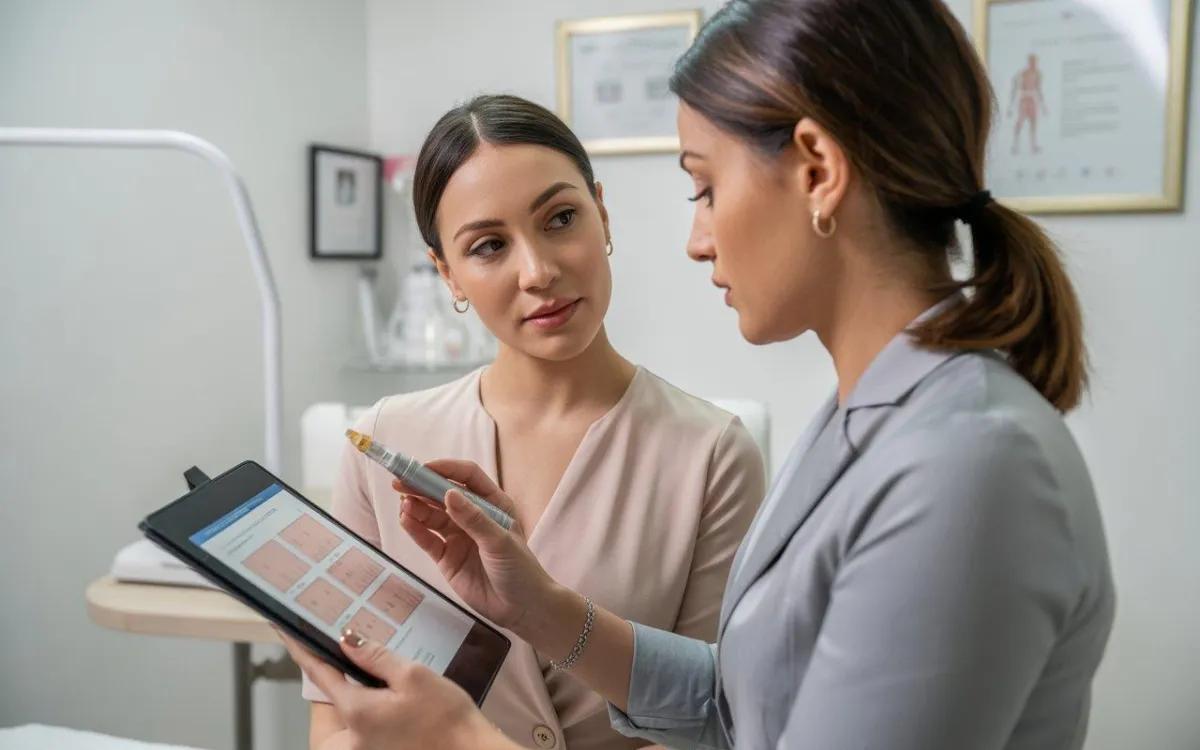
A typical appointment begins with a consultation and skin assessment. The provider should ask about your medical history, current medications, skin sensitivity, history of cold sores, tendency to develop raised scars, and previous cosmetic treatments.
The skin is cleansed, and a topical numbing cream may be used depending on the treatment. The provider then moves the device over the selected areas in a controlled pattern. The session itself may take around 20 to 45 minutes, with additional time needed for preparation and numbing.
Afterward, your skin may appear red, feel warm, or look slightly swollen. Small pinpoint marks can occur. Your provider should explain what is expected for the specific treatment you received and give you written aftercare instructions.
Microneedling Aftercare: What to Do
The skin barrier needs time to recover after microneedling. Following the clinic’s instructions can help reduce irritation and support healing.
Keep Your Skincare Routine Simple
For the first few days, use gentle products recommended by your provider. Avoid exfoliating scrubs, retinoids, strong acids, and other potentially irritating products until your skin has recovered and your clinician says it is appropriate to restart them.
Do not apply unapproved serums or active ingredients to freshly treated skin. The timing for restarting products depends on the depth and type of treatment.
Protect Your Skin From the Sun
Freshly treated skin can be more sensitive to sunlight. Avoid unnecessary direct sun exposure and follow your provider’s guidance about when to resume sunscreen. Once your skin is ready for it, use a broad-spectrum sunscreen and reapply it as directed.
This is especially important in Tampa, where outdoor activities and strong sun exposure can make protecting healing skin more challenging.
Avoid Heat and Intense Exercise Initially
Your provider may recommend avoiding strenuous workouts, saunas, hot tubs, and other activities that increase heat and sweating for a short period. Follow the time frame given for your specific procedure rather than assuming every microneedling treatment has identical restrictions.
Do Not Pick or Scrub the Skin
As the skin heals, you may notice dryness, roughness, or light flaking. Let the skin recover naturally instead of picking, rubbing, or exfoliating it. Use only the moisturizer and cleanser recommended for your recovery period.
Know When to Contact Your Provider
Mild redness and sensitivity can be expected, but worsening pain, spreading redness, increasing warmth, pus, fever, or significant swelling may indicate a complication. Contact your provider promptly if these symptoms develop.
Seek urgent medical care if you experience a severe or rapidly worsening reaction. Do not attempt to treat a suspected infection or significant complication with home remedies.
Who Should Avoid or Delay Microneedling?
Microneedling is not appropriate for every skin condition or situation. A provider may recommend postponing treatment if you have active skin infections, open wounds, inflamed acne, or significant irritation in the treatment area.
A history of cold sores, a tendency to form keloid scars, certain medical conditions, or medications that affect healing may also require additional assessment. Tell the provider about your medical history and medications, and do not stop prescribed medication without advice from the clinician who manages it.
If you have darker skin, ask about the provider’s experience treating your skin tone and the risk of post-inflammatory hyperpigmentation. The right technique and aftercare are important, but no treatment can guarantee that pigment changes will not occur.
How to Choose a Microneedling Clinic in Tampa
Price is only one part of the decision. A suitable clinic should be able to explain the procedure clearly, assess your skin before treatment, and respond appropriately if a complication occurs.
Check the Provider’s Credentials
Ask who will perform your treatment and what professional license and training they hold. Verify applicable licenses through Florida’s official license-verification service. Requirements depend on the provider’s role, scope of practice, and the procedure being offered.
Ask Which Device Will Be Used
Find out whether the clinic offers traditional microneedling or RF microneedling. Ask why that option is recommended for your concern and what risks or alternatives you should consider.
Look for Clear Hygiene Practices
The provider should explain how the device is cleaned and how single-use needle cartridges or other disposable components are handled. The treatment environment should be clean, and the provider should not rush through the preparation process.
Review Results and Recovery Expectations
Ask to see examples of the provider’s own results for concerns similar to yours. Make sure you understand how many sessions may be needed, how long results take to develop, and what the recovery period may look like.
Be cautious if a clinic guarantees flawless skin, minimizes possible complications, or pressures you into buying a package before assessing your skin.
Frequently Asked Questions
How much does microneedling cost in Tampa?
A standard facial microneedling session may cost around $200 to $400, while RF microneedling can cost $500 to $1,000 or more. Actual prices vary by clinic, device, treatment area, and included services.
How many microneedling sessions will I need?
Some people need a series of three to six sessions, often spaced several weeks apart, but the number depends on the skin concern and treatment method. Your provider should recommend a plan after assessing your skin.
How long does it take to recover from microneedling?
Redness and sensitivity often improve over a few days, although recovery can take longer after deeper or RF microneedling treatments. Follow the specific aftercare plan given by your provider.
Can microneedling help with acne scars?
It may improve the appearance of some depressed acne scars, but results depend on the scar type and depth. Active acne should be assessed before treatment, and some scars may respond better to other procedures or a combination of treatments.
When will I see microneedling results?
Some people notice a change in skin texture after the initial healing period, but collagen-related improvements develop gradually over several weeks or months. Results vary, and more than one session may be needed.
Final Thoughts
Microneedling in Tampa can be an option for people who want to address certain acne scars, uneven texture, or fine lines. Before choosing a treatment, compare the cost, ask about the device and the provider’s credentials, and make sure you understand the recovery process.
Good aftercare is just as important as the appointment itself. Choose a clinic that explains realistic results, gives clear instructions, and takes your medical history and skin concerns seriously. That approach can help you make a more informed decision about whether microneedling fits your skincare goals.