Chemical Peels in Orlando: Types, Costs and Recovery
Chemical peels are a popular skincare treatment for people who want to improve uneven skin tone, dullness, fine lines, or certain types of acne-related marks. In Orlando, Florida, med spas and skincare clinics offer different peel options depending on the condition of the skin and the results a person hopes to achieve.
A chemical peel works by applying a specially formulated solution to the skin, encouraging the outer layers to shed in a controlled way. The strength of the peel affects how deeply it works, how much recovery time may be needed, and what kind of improvement can reasonably be expected.
If you are considering chemical peels in Orlando, understanding the available types, typical costs, and recovery process can help you choose a treatment that suits your skin and schedule.
What Is a Chemical Peel?
A chemical peel is a skin-resurfacing treatment that uses acids or other chemical agents to exfoliate the skin. Depending on the formulation and strength, it may help improve surface roughness, uneven pigmentation, clogged pores, and the appearance of fine lines.
The treatment is not the same for everyone. A superficial peel works mainly on the outermost layer of skin, while medium and deep peels affect deeper layers and usually involve more recovery.
Chemical peels may be considered for:
- Dull-looking skin and uneven texture
- Certain types of acne and post-acne marks
- Mild discoloration and sun-related spots
- Some fine lines
- Uneven skin tone
Results depend on the peel used, your skin type, your medical history, and how carefully you follow aftercare instructions. A chemical peel cannot remove every scar or pigmentation concern, and some skin conditions require a different treatment.
Types of Chemical Peels Available in Orlando
Clinics may offer several peel options, ranging from gentle treatments with little visible peeling to stronger procedures that require more downtime. The right choice should be based on a professional skin assessment rather than simply choosing the strongest option.
1. Superficial Chemical Peels
Superficial peels work on the outer layer of the skin. They may use ingredients such as glycolic acid, lactic acid, or salicylic acid, depending on the formulation and the concern being treated.
These peels are often considered for mild discoloration, dullness, uneven texture, and some forms of acne. Recovery is generally shorter than with deeper peels, although temporary redness, dryness, or light flaking may occur.
Several sessions may be recommended to achieve gradual improvements.
2. Medium-Depth Chemical Peels
Medium-depth peels reach beyond the skin’s outermost layer. They may be used for more noticeable sun damage, certain pigmentation concerns, and some fine lines.
Recovery can involve redness, swelling, and visible peeling over several days or longer. Because these peels have a greater potential for complications, proper patient selection and professional supervision are especially important.
Not everyone is a suitable candidate, and a provider should explain the expected recovery before treatment.
3. Deep Chemical Peels
Deep peels affect more substantial layers of skin and are used selectively for specific concerns. They involve a more intensive procedure, a longer recovery period, and a greater risk of complications than superficial peels.
They are not routine treatments for everyone seeking brighter skin. A qualified medical professional should assess whether a deep peel is appropriate and explain alternatives, risks, and the level of aftercare required.
4. Customized Chemical Peels
Some Orlando clinics offer customized peels that combine ingredients or adjust their strength to address a particular concern. For example, a provider may select a formulation aimed at acne-prone skin or uneven pigmentation.
Customized does not automatically mean stronger or better. The provider should explain the ingredients, why they are being selected, and how the treatment fits your skin’s needs.
How Much Do Chemical Peels Cost in Orlando?
The cost of chemical peels in Orlando depends on the type of peel, the provider’s experience, the treatment area, and whether the appointment includes additional skincare services.
Here are broad estimates to help you plan your budget:
| Type of peel | Estimated cost per session |
|---|---|
| Superficial peel | $75–$200 |
| Medium-depth peel | $200–$600 |
| Deep chemical peel | $600–$2,000+ |
| Customized peel | $100–$400 |
These are general budgeting estimates, not confirmed prices from individual Orlando clinics. Actual costs may fall outside these ranges, especially for more intensive procedures.
What Affects the Price?
The strength of the peel: Deeper peels generally cost more because they involve a more intensive procedure and additional care.
The provider’s qualifications: Experience and training can influence the treatment fee. Stronger peels should only be performed by appropriately qualified professionals.
The treatment area: Treating the face, neck, chest, or multiple areas can change the total price.
The number of sessions: A provider may recommend several superficial peels rather than one more intensive treatment. Ask for the expected cost of the complete plan.
Additional skincare services: Consultations, specialized products, or follow-up visits may be charged separately.
Before booking, request a clear estimate that includes the procedure and any recommended aftercare products or follow-up appointments.
What Happens During a Chemical Peel Appointment?
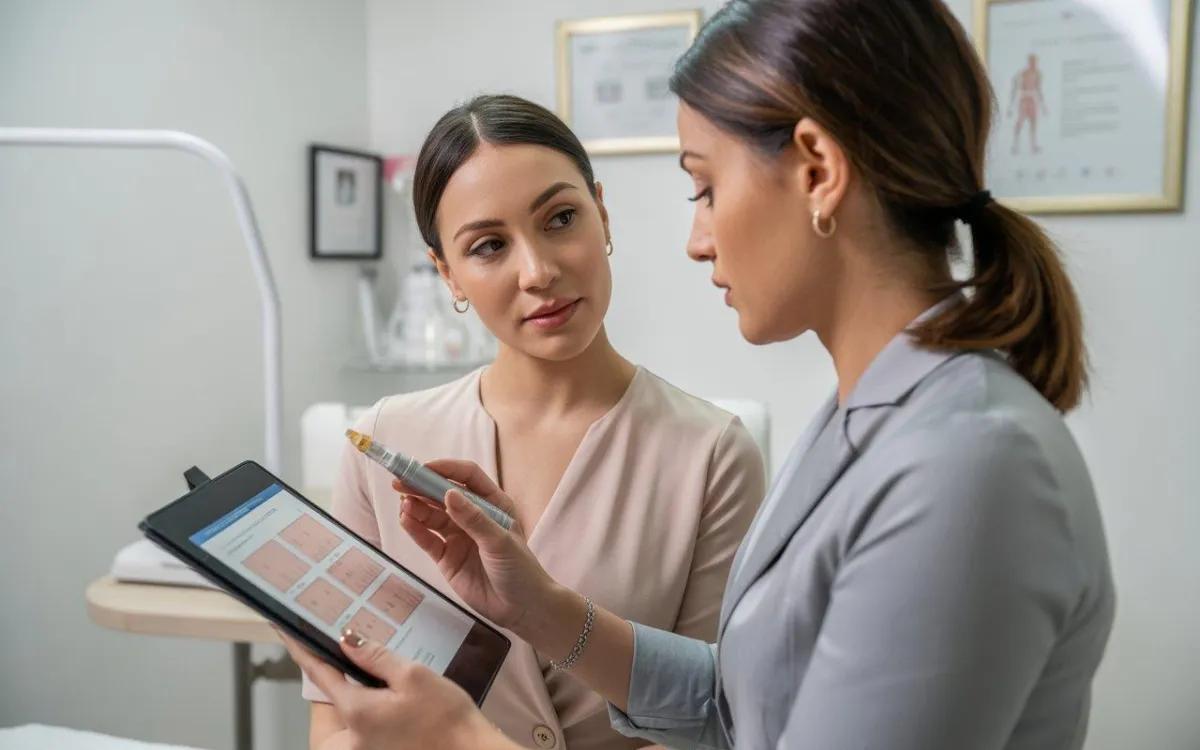
A chemical peel appointment usually begins with a discussion of your skin concerns, medical history, current skincare products, and previous treatments. The provider examines your skin and selects an appropriate peel.
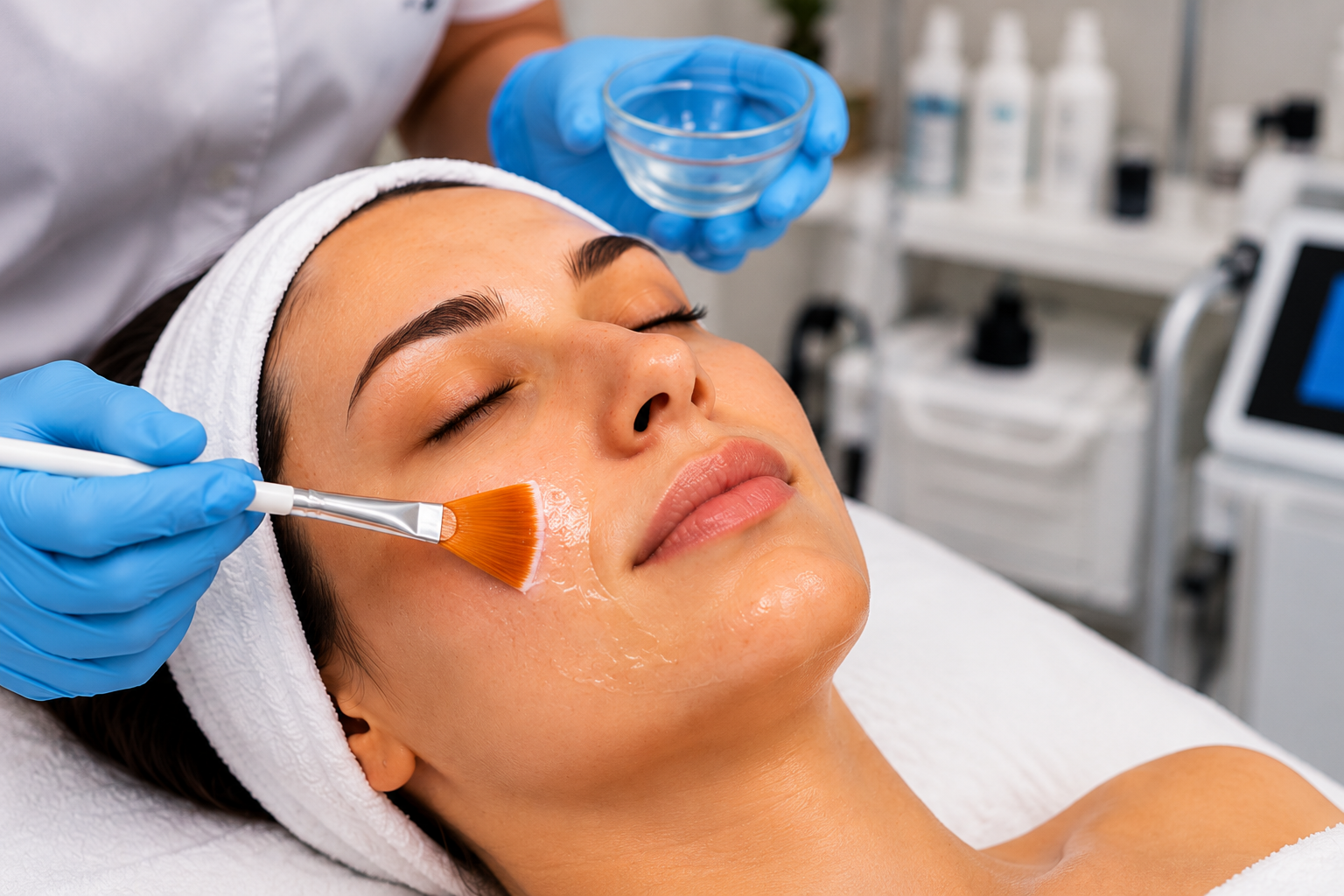
The skin is cleansed before the solution is applied. Depending on the formula, the provider may leave it on for a specific period and then remove or neutralize it according to the product’s instructions.
You may experience tingling, warmth, stinging, or temporary discomfort. The sensation and treatment duration depend on the peel’s ingredients and strength.
After the procedure, the provider explains how to care for your skin and what changes to expect over the next several days. Do not assume that stronger stinging means a better result; significant or unexpected pain should be reported immediately.
How to Care for Your Skin After a Chemical Peel
Following your provider’s instructions is essential for healing and reducing the risk of complications.
1. Keep Your Skincare Routine Gentle
Use a mild cleanser and a moisturizer recommended for your skin. Avoid scrubs, exfoliating brushes, and products that cause burning or irritation while the skin heals.
2. Avoid Picking or Pulling Peeling Skin
Allow loose skin to shed naturally. Picking at it can cause irritation, infection, scarring, or changes in pigmentation.
3. Protect Your Skin From the Sun
Sun exposure can worsen irritation and increase the risk of pigmentation changes after a peel. Limit direct exposure, use shade and protective clothing, and apply broad-spectrum sunscreen when your provider says it is appropriate.
This is particularly important in Orlando, where sunny weather can make consistent sun protection challenging.
4. Pause Strong Skincare Ingredients
Retinoids, exfoliating acids, benzoyl peroxide, and other active products may need to be paused before and after treatment. Ask your provider when it is safe to restart them rather than following a fixed timeline.
5. Avoid Additional Irritating Treatments
Do not schedule another peel, waxing, aggressive facial, or laser procedure until your provider confirms your skin has recovered sufficiently.
6. Watch for Warning Signs
Increasing pain, worsening swelling, blistering, pus, spreading redness, or signs of infection require prompt medical assessment. Contact your provider if your recovery seems unusual or symptoms are getting worse rather than improving.
Are Chemical Peels Safe for All Skin Types?
Chemical peels can be appropriate for many people, but the right formula and strength are important. Skin tone, sensitivity, medical history, medications, and previous reactions should all be considered.
People with darker skin tones can experience pigmentation changes after a peel, particularly when the treatment causes excessive inflammation. An experienced provider should explain this risk and choose an appropriate approach.
You should also disclose any history of cold sores, recent cosmetic procedures, active skin infections, or medications that may affect healing. Some treatments may need to be postponed, and certain stronger peels may not be suitable.
Avoid trying professional-strength chemical peels at home. Incorrect use can cause chemical burns, lasting discoloration, and scarring.
How to Choose a Chemical Peel Provider in Orlando
When comparing med spas and skincare clinics, focus on qualifications, treatment planning, hygiene, and clear communication.
Ask the provider which peel they recommend and why. They should explain the ingredients, expected results, possible side effects, and realistic recovery time. For medium or deep peels, confirm that the professional has the appropriate medical qualifications and experience for that procedure.
It is also worth asking whether your consultation includes a skin assessment, whether follow-up care is available, and what happens if you develop unexpected irritation. Be cautious of anyone who guarantees flawless results or pushes you toward a strong peel without reviewing your skin first.
Frequently Asked Questions
1. How much does a chemical peel cost in Orlando?
A superficial peel may cost around $75–$200, while medium-depth peels may range from $200–$600. Deep peels can cost $600–$2,000 or more. Prices vary by provider and procedure.
2. How long does it take to recover from a chemical peel?
Superficial peels often have a shorter recovery, while medium-depth peels may require a week or longer. Deep peels can take several weeks to heal. Your provider should explain the expected timeline for your specific treatment.
3. How many chemical peel sessions do I need?
It depends on your skin concerns and the type of peel. Some people benefit from a series of superficial treatments, while others may need a different treatment approach. Your provider can recommend a suitable schedule after examining your skin.
4. Can I go outside after a chemical peel?
You may be able to resume normal activities after some superficial peels, but your skin will be more sensitive. Protect it from direct sunlight and follow your provider’s instructions about sunscreen and outdoor exposure.
Final Thoughts
Chemical peels in Orlando offer several options for people who want to address dullness, uneven texture, acne-related marks, or certain signs of sun damage. The most suitable treatment depends on your skin condition, desired results, budget, and willingness to manage recovery.
Before booking, compare the provider’s qualifications, ask about the exact peel being used, and understand the total cost and aftercare requirements. A carefully selected treatment with realistic expectations is a better approach than choosing the strongest peel or the lowest advertised price.