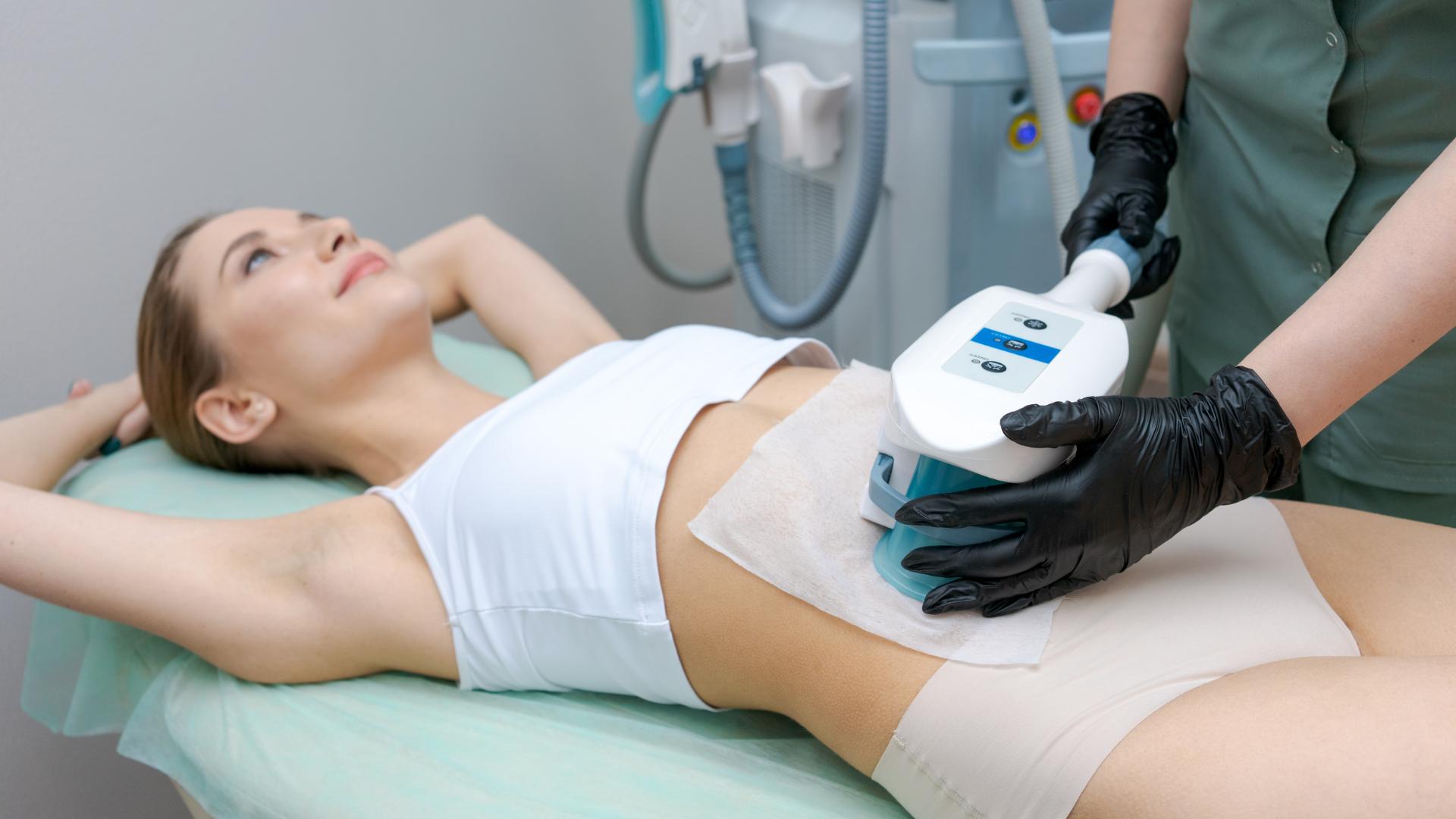
Body Contouring in Orlando: Non-Surgical Options Compared
Body contouring has become a popular option for people who want to address stubborn areas of fat or improve the appearance of their body without undergoing surgery. In Orlando, Florida, medical spas and aesthetic clinics offer several non-surgical treatments designed to target specific areas, including the abdomen, thighs, flanks, and upper arms.
These treatments can sound similar, but they do not all work in the same way. Some use cooling to target fat cells, others use heat or radiofrequency energy, and certain procedures focus more on muscle stimulation or improving the appearance of loose skin. Understanding these differences can help you compare your options before booking a consultation.
What Is Non-Surgical Body Contouring?
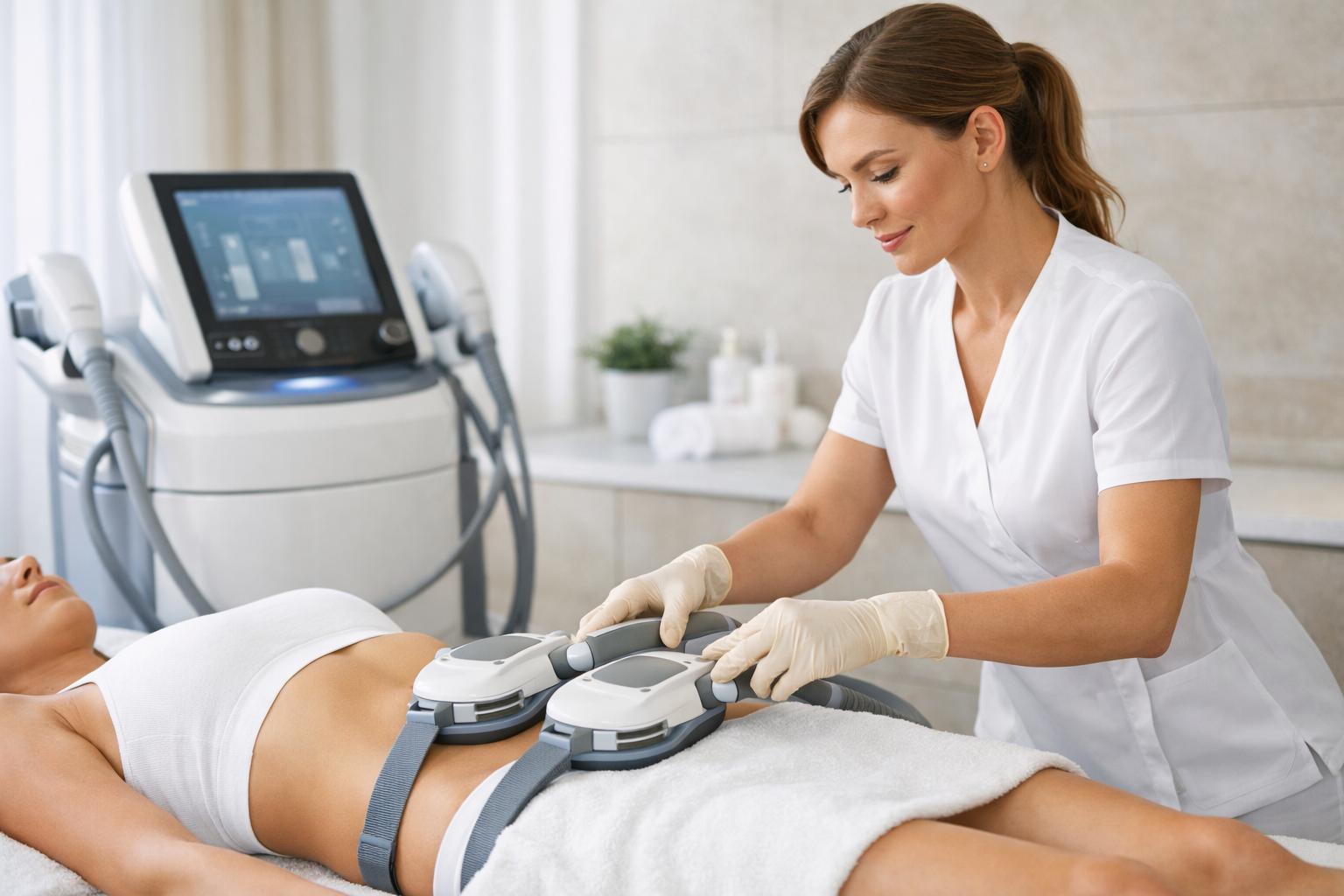
Non-surgical body contouring refers to treatments that aim to change the shape or appearance of selected body areas without traditional surgery. Depending on the technology, a treatment may target localized fat, stimulate muscle contractions, or improve the appearance of mild skin laxity.
These procedures are generally intended for people who are near their preferred weight but have specific areas they would like to address. They are not substitutes for weight-loss treatment, and results vary from person to person.
Common treatment areas include:
- Abdomen and waist
- Flanks, sometimes called love handles
- Thighs
- Upper arms
- Under the chin
- Buttocks, depending on the treatment and its intended purpose
The right option depends on the area being treated, your goals, your health history, and the type of result you expect.
Non-Surgical Body Contouring Options in Orlando
1. Cryolipolysis or Fat Freezing
Cryolipolysis uses controlled cooling to target fat cells in selected areas. The body gradually processes the affected cells over time, so changes do not appear immediately after the appointment.
This option is commonly considered for localized fat around the abdomen, flanks, or other areas that can be treated with an appropriate applicator.
What to know: Results develop gradually over several weeks to months, and more than one treatment may be recommended. Temporary redness, swelling, tenderness, bruising, or numbness can occur. A rare but serious complication called paradoxical adipose hyperplasia can cause the treated area to enlarge rather than shrink.
Fat freezing is not intended for weight loss and may be unsuitable for people with certain cold-related medical conditions.
2. Radiofrequency Body Contouring
Radiofrequency treatments use energy to heat targeted tissue. Depending on the device, they may be used to address the appearance of mild skin laxity, improve skin texture, or provide modest changes in body contours.
Some systems combine radiofrequency with other technologies, so the exact purpose and expected results vary by device.
What to know: Several sessions may be needed, and improvements are usually gradual. Temporary redness, swelling, discomfort, and, less commonly, burns can occur if treatment is not performed appropriately. Ask the provider which device is being used and what evidence supports its intended use.
3. Ultrasound-Based Fat Reduction
Certain ultrasound-based body-contouring devices deliver energy into targeted tissue to reduce localized fat. The treatment is non-surgical, but it is not suitable for every body area or every patient.
What to know: Results depend on the device, treatment plan, and individual response. Some people experience tenderness, swelling, or bruising afterward. Ultrasound treatments should be performed by appropriately trained professionals who can explain the device-specific risks and precautions.
4. Electromagnetic Muscle Stimulation
Some body-contouring systems use electromagnetic energy to produce strong muscle contractions. They are marketed for improving the appearance of muscle definition in areas such as the abdomen or buttocks.
These treatments focus more on muscle stimulation than on directly removing fat. Marketing claims about muscle growth or fat reduction should be considered carefully because outcomes vary by device and person.
What to know: A course of sessions may be recommended. Temporary muscle soreness or discomfort can occur. Certain implanted electronic devices or metal implants may make some treatments unsuitable, so a proper screening process is important.
5. Laser-Based Body Contouring
Some non-invasive laser systems use light energy to target localized fat or affect the appearance of selected body areas. Other laser-based procedures are designed for skin tightening rather than fat reduction.
Because laser technologies differ considerably, it is important to ask exactly what the treatment is intended to accomplish.
What to know: Several sessions may be necessary, and results are not guaranteed. Possible side effects vary by device and can include temporary redness, swelling, discomfort, or burns. A provider should explain the expected benefit and limitations of the specific system.
Comparing Non-Surgical Body Contouring Treatments
The easiest way to compare these treatments is to look at what each one targets, how long results may take, and what kind of recovery is involved.
| Treatment | Main focus | Results timeline |
|---|---|---|
| Fat freezing | Localized fat reduction | Gradual, over weeks to months |
| Radiofrequency | Skin appearance and, with some devices, body contouring | Gradual; often multiple sessions |
| Ultrasound-based treatment | Targeted fat reduction | Usually develops over weeks to months |
| Electromagnetic stimulation | Muscle stimulation and definition | Often assessed after a series of sessions |
| Laser-based treatment | Depends on the device; may target fat or skin laxity | Varies by treatment |
No single method is best for everyone. A treatment designed to reduce a small pocket of fat may not help much with loose skin, while a muscle-stimulation procedure may not produce the same changes as a fat-reduction treatment.
How Much Does Non-Surgical Body Contouring Cost in Orlando?
Prices in Orlando vary according to the technology, clinic, treatment area, and number of sessions required. The following figures are broad budgeting estimates, not verified quotes from specific local providers.
| Treatment | Approximate cost |
|---|---|
| Fat freezing | $600–$1,500+ per treatment area |
| Radiofrequency contouring | $200–$800 per session |
| Ultrasound-based contouring | $300–$1,000 per session |
| Electromagnetic muscle stimulation | $300–$800 per session |
| Laser-based contouring | $200–$1,000 per session |
The actual price may be higher or lower depending on the device and treatment plan.
What Affects the Total Price?
Treatment area: Treating the abdomen and both flanks, for example, may cost more than treating one small area.
Number of sessions: Some technologies require a series of appointments, which increases the overall expense.
Device and clinic: Different systems have different capabilities, and clinics set their own fees.
Combination treatments: A provider may recommend more than one treatment to address different concerns. Ask whether combining procedures is necessary and whether the additional cost is justified.
Before purchasing a package, request a written estimate that lists the number of sessions, the areas covered, and any extra fees.
What Results Can You Realistically Expect?
Non-surgical body contouring may create modest changes in selected areas, but the outcome depends on the technology, the amount of localized fat, skin elasticity, and individual response.
Fat-reduction treatments generally do not produce immediate results because the body needs time to process the targeted tissue. Skin-tightening and muscle-stimulation treatments follow different timelines.
It is also important to understand what these procedures cannot do. They do not replace weight management, and they are not designed to treat obesity. Significant excess skin after major weight loss may require a different approach, sometimes including surgery.
Ask the provider to explain the likely degree of improvement for your particular concern rather than relying only on dramatic promotional photographs.
Are Non-Surgical Body Contouring Treatments Safe?
These treatments do not involve traditional surgery, but that does not mean they are risk-free. Possible side effects include redness, swelling, bruising, tenderness, temporary numbness, burns, and other device-specific complications.
Before treatment, disclose your medical history, medications, implanted devices, and any relevant skin or circulation problems. Some technologies have specific contraindications, and the screening requirements differ by procedure.
Choose a clinic that explains the risks, identifies the exact device being used, and has a plan for managing complications. Be cautious of providers who promise permanent results, guarantee a particular number of inches lost, or pressure you into a costly package without an assessment.
How to Choose a Body Contouring Clinic in Orlando
When comparing Orlando med spas and aesthetic clinics, consider more than the advertised price.
- Check qualifications: Confirm that the professional performing the treatment has appropriate training and authorization.
- Ask about the technology: Find out the device’s name, intended use, and limitations.
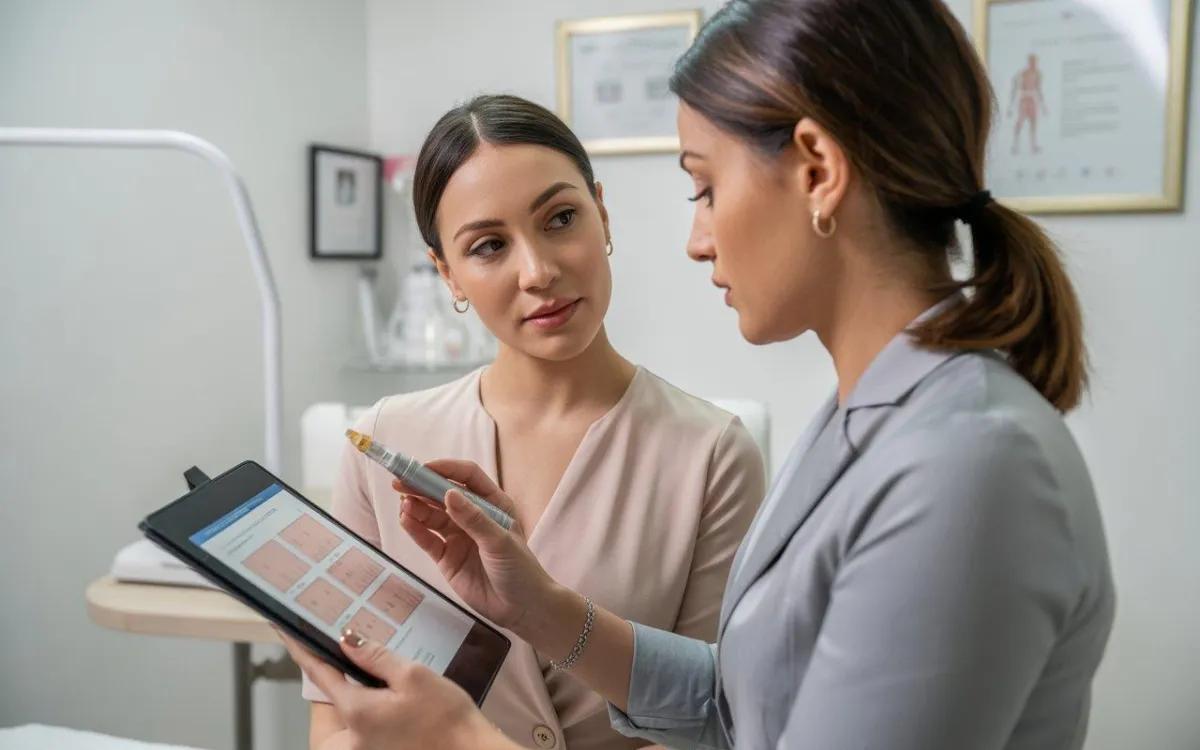
- Request an assessment: The provider should evaluate your goals, treatment area, and medical history before recommending a procedure.
- Discuss realistic results: Ask how much improvement is typical and how many sessions may be needed.
- Understand the total cost: Request a complete estimate before committing to a package.
- Review aftercare and follow-up: Find out what to expect afterward and whom to contact if you develop a problem.
A trustworthy provider should explain when a treatment is unlikely to help and discuss alternatives when appropriate.
Frequently Asked Questions
1. What is the best non-surgical body contouring treatment in Orlando?
The best option depends on your goal. Fat freezing and certain ultrasound systems target localized fat, radiofrequency may address skin appearance, and electromagnetic stimulation focuses on muscle contractions. A consultation can help identify the most suitable approach.
2. How much does non-surgical body contouring cost in Orlando?
Costs vary by technology and treatment plan. A session may range from a few hundred dollars to over $1,000, while fat-freezing treatment areas can cost several hundred dollars or more. Ask for a full quote before booking.
3. Are body contouring results permanent?
Some fat-reduction treatments can permanently reduce the targeted fat cells, but remaining fat cells can still enlarge with weight gain. Results from skin-tightening or muscle-stimulation procedures may behave differently and can require maintenance.
4. Is non-surgical body contouring a weight-loss treatment?
No. These procedures are intended to change the appearance of selected areas, not to produce substantial weight loss. They are generally considered for people seeking modest contour changes rather than a major reduction in body weight.
Final Thoughts
Non-surgical body contouring in Orlando offers several options for people who want to address localized fat, improve the appearance of skin, or enhance muscle definition without traditional surgery. However, the technologies work differently, and their results, costs, and risks are not interchangeable.
Before choosing a treatment, identify the change you want to achieve and compare options based on suitability, provider qualifications, realistic outcomes, and total cost. A personalized assessment is the best starting point for deciding whether non-surgical body contouring makes sense for you.